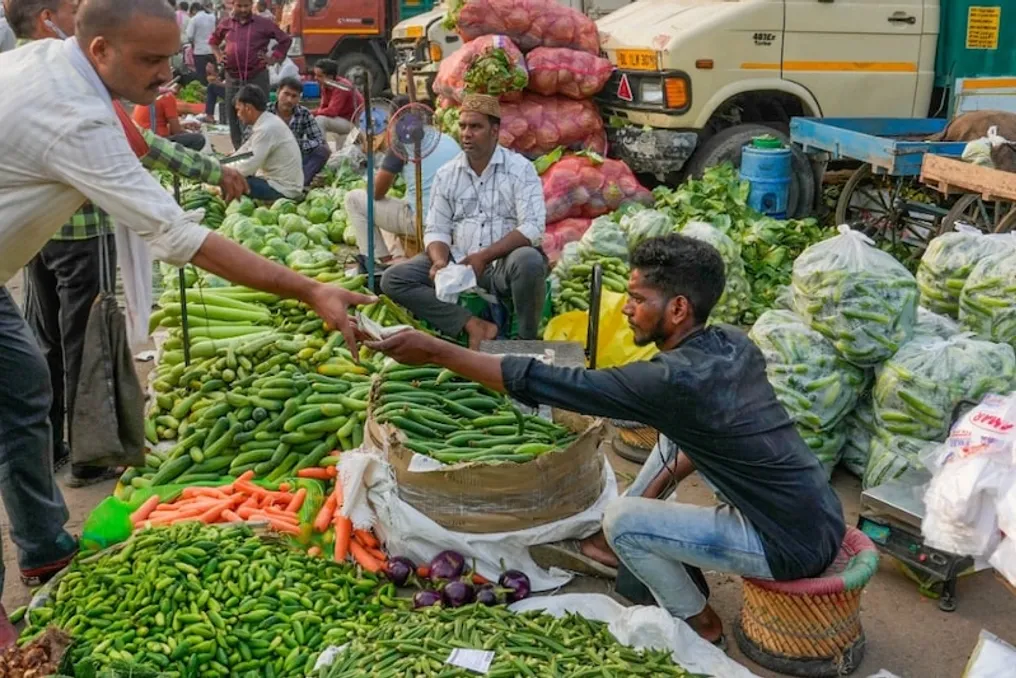
Inflationary pressure is now affecting not only food products but also vegetable prices. The increase in the cost of various vegetables, including ginger, garlic, and onions, has worsened household budgets. As the holiday season approaches, people are concerned that increased demand will lead to further price hikes in the near future.
One vegetable seller reported that almost all daily vegetables have become more expensive. He noted a significant rise in the prices of onions, ginger, and garlic. The price of tomatoes has risen from approximately 20 rupees per kilogram to 40 rupees per kilogram, while the price of onions has increased from about 30 rupees per kilogram to 80 rupees per kilogram.
The price increases are also reflected in purchasing power. According to the seller, customers are now asking about prices and buying vegetables based on their needs and budget.
One female buyer stated that inflation has completely disrupted her family budget. She added that besides food and vegetables, prices for essential goods such as milk and yogurt have also risen. The woman emphasized that inflation has the greatest impact on the middle and service classes, making life even more difficult for poor families. She also raised the question of why citizens who pay taxes are not provided with the necessary services.
ASSOCHAM's chief economist, Dr. S.P. Sharma, stated that before the unrest in Punjab, inflation and prices remained relatively under control. However, after the crisis began, it affected prices. He noted that inflation according to the WPI index reached 9.8%, which is worrying, and the upward trend is also observed in CPI inflation.
In Dr. Sharma's opinion, the current inflation is mainly caused by supply-side factors rather than demand. He expressed hope for inflation to decrease as supply pressure eases. Dr. Sharma also stressed that strong domestic demand and economic stability are the main pillars supporting the growth of the Indian economy, helping maintain development momentum. The Reserve Bank of India (RBI) has kept interest rates steady over the past few months, which has supported economic development, and growth continues in the MSME sector.
Nevertheless, Dr. Sharma warned that an increase in interest rates could affect market sentiment and borrowing conditions. He advised monitoring events related to the Middle East crisis and awaiting the situation's development. His focus is on maintaining the pace of economic growth. He also clarified that changes in the repo rate are not immediate; the impact of monetary policy is felt after some time and becomes more apparent in the medium and long term.
In the coming days, vegetable prices will be influenced by a combination of supply and demand situations, as well as developments related to the Middle East crisis. If demand increases before the holidays and supply pressure persists, the burden of inflation on household budgets may increase.