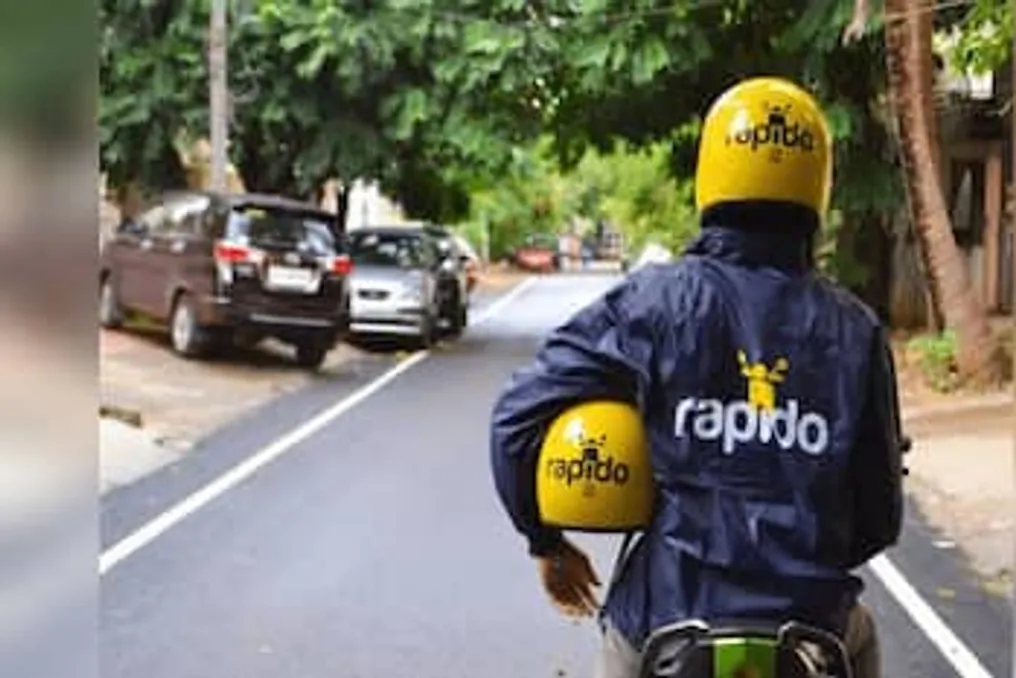
The Central Consumer Protection Authority (CCPA) has fined the taxi platform Rapido 10 lakh rupees. The fine was issued for misleading consumers through advertising, unfair trade practices, improper contracts, and the use of dark patterns that encouraged passengers to pay more before confirming a ride.
This decision follows a comprehensive review of taxi and bike-taxi aggregators in general. The review aimed to examine practices related to tipping before the start of a trip and dynamic pricing. Currently, an investigation into companies such as Uber and Ola is also ongoing.
Interface and Pricing Issues
During its investigation, the CCPA found that the Rapido application displayed messages such as 'The higher the price, the higher the chance of getting a ride' and 'Captains do not accept 60 rupees. Try adding +10, +20, +30' while the passenger's booking was still being processed. The CCPA determined that Rapido's algorithm first quoted a fare to the passenger, and only after the passenger booked at that price did the system suggest paying more, citing that drivers were refusing the initial price.
The authority ruled that this practice creates a false impression that the likelihood of quickly obtaining a ride depends on paying an additional amount. This practice was classified as 'Confirm Shaming'—a dark pattern defined in the Dark Patterns Prevention and Regulation Guidelines of 2023.
Furthermore, the CCPA examined the 'Set Your Price' slider in Rapido and found that it was colored to influence the passenger's pricing decision. When the price was increased, a 'higher chance of getting a ride' was displayed in green, whereas lowering the price triggered a red or orange warning. This slider also offered more opportunities to increase the price than to decrease it. The CCPA considered this a second dark pattern, 'Interface Interference,' because the interface design visually guided consumers toward paying a higher amount.
According to the authority, the fare shown to the passenger during booking already accounts for factors such as distance, time, traffic, fees, and the amount to be paid to the captain. Therefore, the CCPA found no basis for subsequently suggesting the passenger pay extra for the same ride before it started. The CCPA noted that tips are usually voluntary payments and referred to the Vehicle Aggregator Guidelines of 2025, which requires that any tipping feature only be available after the completion of the trip.
Rapido argued that tips are voluntary, that the matching algorithm continues to operate regardless of whether the passenger pays extra, and that the messages merely reflect real-time negotiations similar to an offline conversation between a passenger and a driver. However, the CCPA rejected these arguments, finding that the timing and design of the messages exerted pressure on the passenger at a moment when they were most dependent on the platform. Additionally, the CCPA noted that Rapido failed to provide any data confirming that paying extra actually increases the probability of the passenger getting a ride.