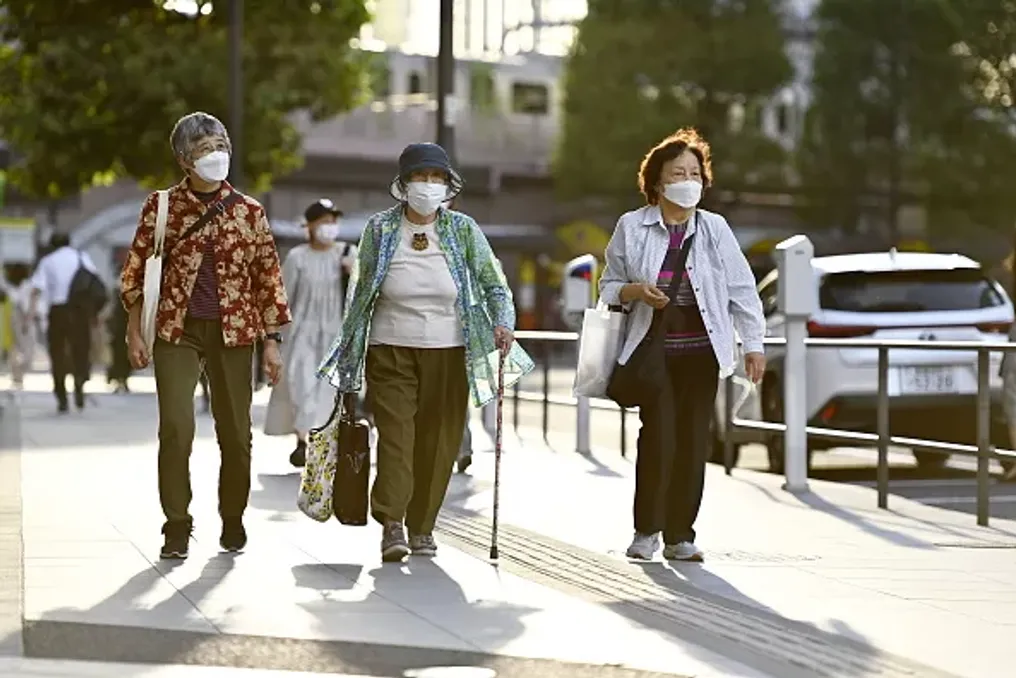
Japan has long been known for its aging population and high life expectancy, but a new statistic highlights how long its residents live. For the first time, the number of people in Japan who have reached the age of 100 or older has exceeded the mark of 100,000.
According to CNN data, 107,677 centenarians were registered in the country this year. This figure was disclosed by the Ministry of Health, Labour and Welfare of Japan and marks the 56th consecutive year of an increase in the number of centenarians. Furthermore, this figure is nearly 8,000 higher than in the previous year.
The majority of this group consists of women, numbering 94,298, which accounts for about 88% of the total number of centenarians. Japan consistently ranks among the countries with the highest life expectancy in the world, thanks to improved living conditions, nutrition, and healthcare.
The Japanese government previously pointed to factors contributing to the country's aging population, including progress in medical technology, as well as improvements in diet and housing conditions. The country is also known for the concept of ikigai, which can be roughly translated as a reason for existence or something that gives life meaning, attracting international interest in the context of the link between lifestyle, well-being, and longevity.
Despite Japan being home to some of the world's oldest residents, the individuals and ages of the oldest people can change as new records are confirmed.
Longevity is also a demographic challenge
While having a larger number of people living to 100 years old indicates an improvement in life expectancy, it also reflects a broader demographic problem. Japan's population is aging against a backdrop of low birth rates, leading to a shrinking workforce and increased pressure on pension, healthcare, and elderly care systems.
The government has introduced measures aimed at extending the working lives of the elderly and is increasingly relying on the recruitment of foreign workers to address labor shortages. Thus, this milestone presents a complex picture for Japan: people are reaching advanced ages, but the country needs to find ways to support its rapidly aging population.