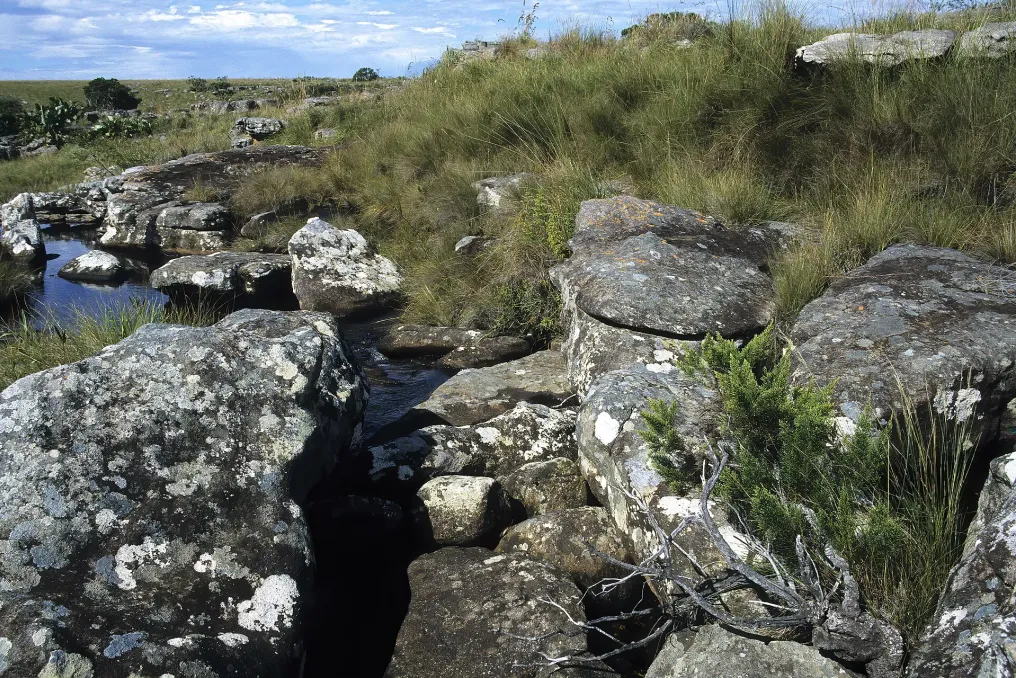
Mkhambathi Reserve on the Wild Coast: Where Waterfalls Meet the Indian Ocean
Read more
Getaway
getaway.co.za

Mkhambathi Reserve on the Wild Coast: Where Waterfalls Meet the Indian Ocean

There are places on the Wild Coast where the landscape seems intentionally designed to make visitors pause, and Mkhambathi Reserve is one such place. Here, gentle grasslands give way to forested gorges, rivers carve through the scenery, and waterfalls cascade into the Indian Ocean. The reserve offers secluded beaches, rocky shores, freshwater pools, and ample open space for walks among wildlife, birds, and the sea.

Mkhambathi is also recognized as one of the important conservation areas of the Eastern Cape. In 2025, the reserve was designated as the 31st Ramsar Convention site in South Africa, becoming the first wetland of international importance in the province. This nomination highlights the value of rare wetlands, estuaries, swamp forests, and biodiversity.

To enjoy this place, you do not need to be an experienced tourist or a passionate wildlife enthusiast. Mkhambathi suits both a family looking for simple nature recreation and a couple wishing to spend quiet days by the sea, or anyone wanting to replace screens and city traffic with fresh air.

The waterfalls are likely the most attractive feature of Mkhambathi, and this is not accidental. The Mkhambathi River flows through the reserve, forming a series of pools and cascades before reaching the coast. The most famous is Horseshoe Falls, where the river spills over a sandy terrace in a wide arc. Further downstream, the river plunges through Strandloper Falls and Mkhambathi Falls before entering the Indian Ocean.

Access to Horseshoe Falls is by walking along the Mkhambathi River, which turns the journey itself into part of the experience, rather than just a trip to a viewpoint. The walk allows observation of the grasslands, the river, and the changing landscape as you progress.

Visitors are advised to bring comfortable walking shoes, a swimsuit, and a picnic basket to spend the day following trails, stopping at pools, and finding their own favorite view. It is important to remember that this is still wild territory, not a manicured family attraction. Conditions can change, so visitors must stay on marked routes and follow local instructions.

The Mkhambathi coastline stretches for approximately 10 kilometers, featuring rugged rocky beaches and sandy coves framed by grasslands, forests, and open coastal landscapes. There is something captivating about exploring a coastline that remains largely untouched. Shell collecting, photography, walks, and simply finding a quiet spot to sit fit organically into a day here.

Visitors can explore the coast and rock pools; activities such as fishing and diving are available in designated areas and require appropriate permits. Whale and dolphin watching is also among the reserve's offerings, providing another reason to look at the horizon instead of a phone.

For couples, this may be Mkhambathi's most obvious advantage. No pre-planned itinerary is required. A long walk along the coast, a picnic, swimming under favorable conditions, and an evening spent to the sound of the ocean can be enough in this corner of the Wild Coast.

If you enjoy birdwatching, be sure to bring binoculars. The mix of grasslands, forests, rivers, wetlands, and coastal habitats in Mkhambathi supports a great diversity of bird species. Among the registered species in the reserve are the Eurasian nuthatch, Ramero's dove, African fish eagle, crowned eagle, Gurney's sugarbird, great crested sunbird, yellow-breasted longbill, and chirping cisticola.

The Ramsar site status adds another layer of importance. Its wetlands and river systems support vital biodiversity, while the Mtentu and Msikaba gorges serve as habitat for endangered species, including Cape vultures.

Thus, a walk through Mkhambathi is more than just reaching the next waterfall. By observing the grasslands, forests, and river valleys, the reserve begins to reveal another layer of its already captivating character.

Mkhambathi is not a traditional 'Big Five' safari destination. Its appeal lies in the combination of coastal wilderness and wildlife. The grasslands support artificially introduced populations of eland, red gazelles, blue antelope, springboks, and gemsbok, although eland and red gazelles are native to the area.

The open spaces facilitate memorable wildlife encounters, especially when animals appear against the backdrop of the Indian Ocean. Safaris are among the listed activities, although large areas of the wilderness are explored on foot.

This is one of the reasons Mkhambathi feels different from many typical nature retreats. One moment you can watch a herd of antelope on the grasslands, and the next you can look at a waterfall or the sea.

There are many ways Mkhambathi can occupy long hours of your time without making you check the clock. You can hike a trail, practice birdwatching, or swim if conditions allow. You can fish in designated areas with the necessary permits, canoe, explore the coast, or simply sit somewhere with a view and do little.

There is enough here to engage active visitors, but no pressure to fill every hour. This makes the reserve particularly appealing as a refreshing escape from the ordinary pace of life.

For families, it offers the opportunity to spend time outdoors together, offering activities such as hiking, wildlife viewing, waterfalls, and swimming. For couples, the same landscape is ideal for a quieter retreat. And for anyone interested in photography, ornithology, fishing, or nature, there are plenty of reasons to pay attention without needing a structured tour.

The reserve has accommodation options, including Main Lodge and Stone Cottage. Additional lodging options, such as rondavels and larger lodges, are available in the GweGwe area.

Mkhambathi is quite remote, so do not expect many shops and restaurants. You should arrive prepared to spend most of your time outdoors.

This might seem a bit daunting, considering how much time we constantly spend connected and within easy reach of amenities. But that is the essence of Mkhambathi. You come here to disconnect from the noise, spend time outside, and let the landscape set the pace.

Mkhambathi is located on the Wild Coast in the northeastern part of Pondoland, approximately 71 km from Flagstaff. The reserve covers 7,720 hectares of coastal wilderness between Port Edward and Port St John.

Access is via the R61 road and further to Holy Cross Hospital, with the final approach involving gravel roads. This remoteness should be considered when planning a trip. Bring everything you need for the day, ensure your vehicle is suitable for the upcoming roads, and check the latest reserve conditions before departing.

There are also special rules for visitors in Mkhambathi. Activities such as fishing require permits, and certain activities in the protected area need approval. Check the latest information with the Eastern Cape Parks and Tourism Agency before traveling.

The Wild Coast is abundant with spectacular sights, but Mkhambathi combines several of the region's best qualities into one reserve. And now, thanks to its Ramsar site status, there is another reason to pay attention to this corner of the Eastern Cape. Mkhambathi is not just beautiful; its wetlands, estuaries, forests, and grasslands are part of a globally important ecological landscape that deserves protection.

You can come for the waterfalls and stay for the silence. You can come seeking adventure and end the day watching birds. You can come as a family, a couple, or just with a camera and a pair of walking boots. In any case, Mkhambathi is a place that reminds you why the Wild Coast got its name. Here, the best experiences are often the simplest: follow the trail, find the waterfall, look at the sea, and let the landscape do the rest.
Similar stories

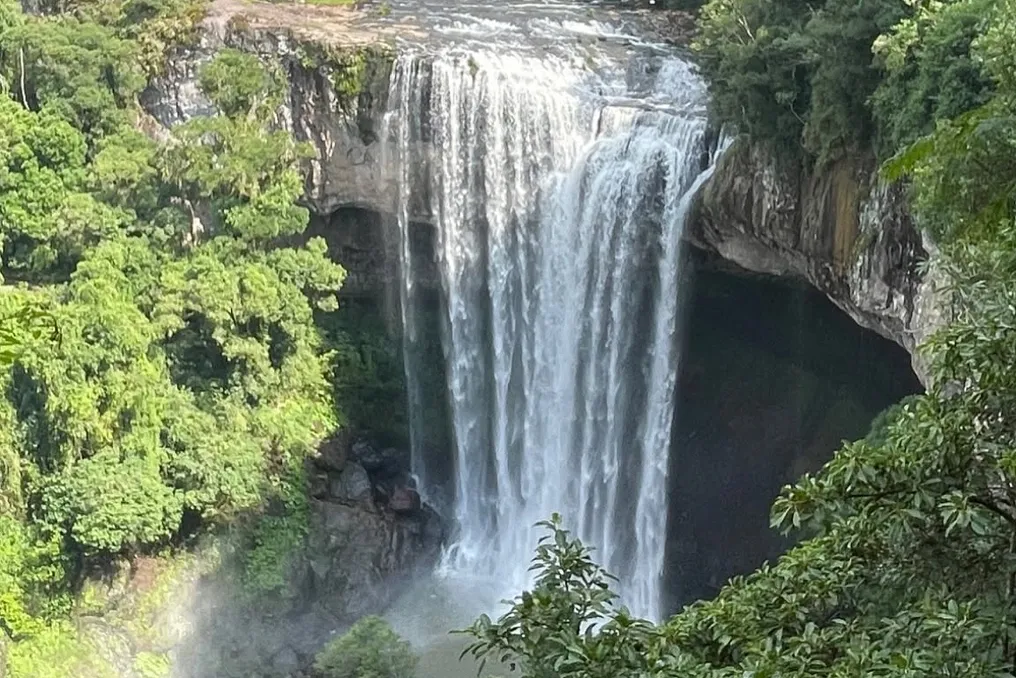
Salto Ventoso Park in Farroupilha (RS) offers cinematic scenery and various ecotourism activities
Read more
viagemeturismo.abril.com.br

Salto Ventoso Park in Farroupilha (RS) offers cinematic scenery and various ecotourism activities

Salto Ventoso Park, located in the interior of the Serra Gaúcha, in Farroupilha, Rio Grande do Sul, is recognized as an important ecotourism destination. Its main attraction is the waterfall, located in Arroio Pinhal, which has a height of 56 meters.

This location provides impressive scenery, having even been the setting for the film O Quatrilho, directed by Fábio Barreto. A notable feature is the walkway that allows visitors to walk behind the waterfall, inside a natural cave. To access this walkway, one must traverse a paved and safe trail; although the route is steep, the return journey can be challenging as it requires climbing an incline. Wooden benches have been installed along the trail to provide resting points.

Visitors should be prepared to get wet, as the path on the walkway is subject to splashes, especially during rainy periods when the waterfall's volume increases significantly. However, it is important to note that the waterfall is not suitable for bathing. In addition to viewing the waterfall, the park offers several other leisure options.

Attractions and Facilities

For nature and adventure enthusiasts, the park offers activities such as zip-lining (with a 131m extension over the river), rappelling (a 40m descent next to the waterfall), and guided quad bike tours on a 5km route. The area also features natural landscapes rich in native forest and typical Serra Gaúcha vegetation, such as araucaria trees, orchids, and bromeliads, as well as observable fauna, including coatis, agoutis, hedgehogs, and various birds.

The tourist infrastructure of Salto Ventoso Park includes a restaurant with Italian buffet, a gastro-pub, viewpoints, and rest areas. There are also remnants of a mansion dating back to the 1950s. The park has a playground for younger children and internal food options, but outside food is prohibited.

In practical terms, the park operates from Tuesday to Sunday, from 9 am to 5 pm, with permission to stay until 6 pm. Access requires purchasing tickets: adults pay R$ 20, while students, seniors, and children aged 6 to 13 receive half-price admission for R$ 10. Children under 5 pay only R$ 2. The location has no cell phone signal, and swimming in the waterfall or bringing outside food and drinks is prohibited. Pets are allowed on weekends, provided they are sociable and kept on a leash throughout the visit.

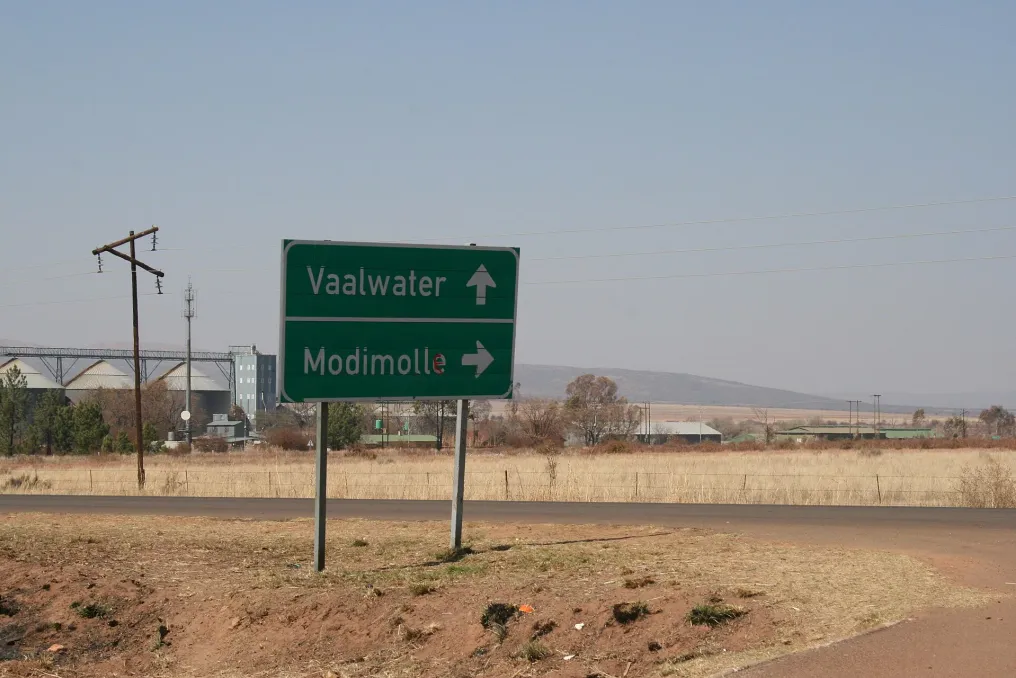
Valwater Town: A Small Settlement Behind the Conservation Boom in Waterberg
Read more
getaway.co.za

Valwater Town: A Small Settlement Behind the Conservation Boom in Waterberg

Few people have heard of the small town of Valwater. However, those concerned with ecology are likely to know more about it than most. Perhaps they simply remember stopping there to refuel.

This town in Limpopo is situated along the R517 road between Modimolle and Lefalale, surrounded by sandstone hills, bushveld, and the vast expanses of the Waterberg. For many travelers, it is merely a stopover point to eat and refuel before proceeding further.

Nevertheless, Valwater is more than just a roadside stop; it lies at the heart of one of South Africa's significant conservation landscapes and has quietly become an economic hub for the Waterberg Biosphere Reserve.

The paradox is that the town itself seems very far removed from the polished safari experience found beyond its borders. There are no majestic lodge entrances or private safari vehicles in central Valwater. Instead, there are ordinary shops, service providers, and people going about their daily lives.

The Waterberg was not always the wildlife destination it is today. Agriculture played a vital role in the region's economy, as livestock farming and crop cultivation formed much of the landscape. Along the Mokolo River, sandy soils facilitated tobacco cultivation, making Valwater one of the country's major tobacco-growing areas.

Beginning in the 1980s, this landscape began to change as private conservation and wildlife farming gained momentum. Landowners increasingly started converting agricultural land into wildlife habitats, driven by both conservation interests and the growing commercial potential of wildlife and tourism.

The result of this process is visible throughout the Waterberg today. Former agricultural lands have been incorporated into private wildlife ranches, private reserves, and ecotourism sites, helping to transform the region into one of Limpopo's most renowned safari landscapes. Valwater finds itself right in the middle of all this.

In 2001, the Waterberg was declared a UNESCO Biosphere Reserve. The reserve covers approximately 654,033 hectares and includes core areas, buffer zones, and transition zones where people live and work. It is also an important water catchment area for the region, and its landscape, composed of low mountain ranges, escarpments, and savanna, supports a rich diversity of flora and fauna.

A Biosphere Reserve is not just a large fenced-off wilderness area, unlike a national park. The concept is to balance nature conservation with human activities, including agriculture, tourism, and the needs of local communities. This distinction is crucial precisely here.

Valwater is located within this broader landscape as a rural service center, connecting the people who live and work in the area with the farms, reserves, and tourism enterprises outside the town. Tourists usually encounter the Waterberg through a lodge or reserve, but the people working in this tourism economy—supplying it and moving through it—need the town.

Some of the most famous conservation sites in the Waterberg are within reach of Valwater. Lapalala Wilderness originated as a conservation project started in 1981 by businessman and farmer Dale Parker and ecologist and artist Clive Walker. Their goal was to create a wildlife area in the Waterberg, and Parker gradually amalgamated adjacent parcels to form the reserve.

Since then, this reserve has become one of the largest private conservation areas in the Waterberg. Its activities extend beyond wildlife tourism, including habitat preservation programs, research, and species such as rhinos, predators, African wild dogs, pangolins, and leopards.

There is also the Velgevonden Wildlife Reserve, another large private conservation area in the Waterberg Biosphere. The reserve was established in 1993 by consolidating several private farms, with internal fences being removed to create a larger, continuous wildlife area. Today, it spans about 37,000 hectares.

Together with sites like Lapalala and the nearby Marakele National Park, reserves like this are part of a wider conservation landscape that has turned the Waterberg into a safari destination. You don't necessarily see any of this while sitting in Valwater, and that is the essence of it.

Valwater's role is less glamorous, but perhaps no less important. The town serves as a practical link between the surrounding conservation sites and the wider region. For travelers, it represents a useful pause between the town and the bush.

It is a place to stock up on supplies before venturing into the Waterberg, and it underscores how closely intertwined tourism and everyday life are here. The same roads that visitors take to private reserves are used by people commuting to work, school, shops, and services. These relationships matter because conservation does not happen in isolation.

The Waterberg Biosphere is a landscape where protected areas, private holdings, farms, and communities exist side by side. UNESCO describes the region as a water catchment for the otherwise arid part of Limpopo, and its biosphere model aims to allow people and conservation to coexist within the same broad landscape.

The transformation of the Waterberg has undoubtedly created a remarkable conservation landscape, but it has not been without challenges. Studies conducted around Valwater have revealed tensions related to land and water, including the contrast between private wildlife ventures and surrounding communities. One study showed that while wildlife farms benefited from regional water resources, residents of Valwater and neighboring communities faced water scarcity.

This does not negate the achievements in regional conservation. However, it calls into question the notion that conservation automatically benefits everyone living around it. The Waterberg is a working landscape. People farm, run businesses, work in tourism, raise families, and depend on the same natural resources that sustain the wildlife and lodges attracting visitors to the area.

It is an important reminder that the story behind a conservation site is rarely as simple as what you see from a safari vehicle.

Valwater is easily overlooked because it is unglamorous. There are no glossy lodge signs announcing your arrival at a special place. Nor are there herds of elephants waiting by the main road. Instead, the town quietly sits in the middle of the Waterberg, performing the routine work of sustaining the rural community. Outside the town, agricultural land has become wildlife habitat, private reserves have expanded, and tourism has become one of the forces shaping the region.

Next time you drive through Valwater on your way to the bush, slow down. Because the story of the Waterberg's conservation boom is written not only within its reserves. Part of it is written in this small town too.

Popular