The Gates Foundation published its 'Goalkeepers' report for 2026 on September 15, 2026, which contains a stark warning: artificial intelligence will either narrow or widen the gap between rich and poor, and the outcome will depend on the choices made over the next two years. The Foundation supported this report by earmarking a twenty-year commitment of $1 billion for AI tools in healthcare, education, and agriculture in local languages.
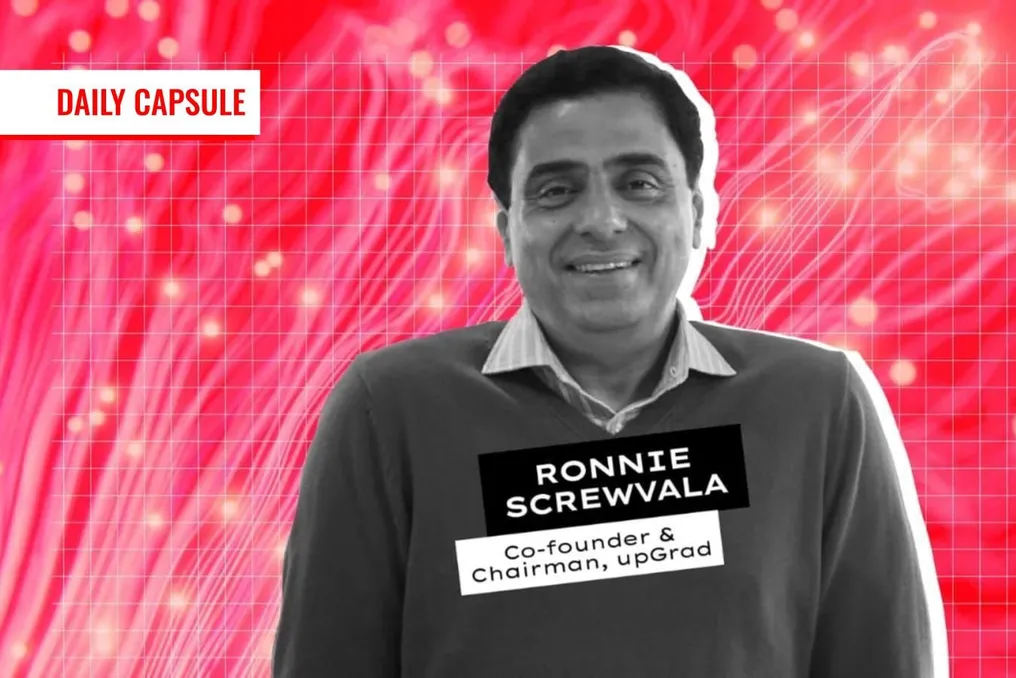
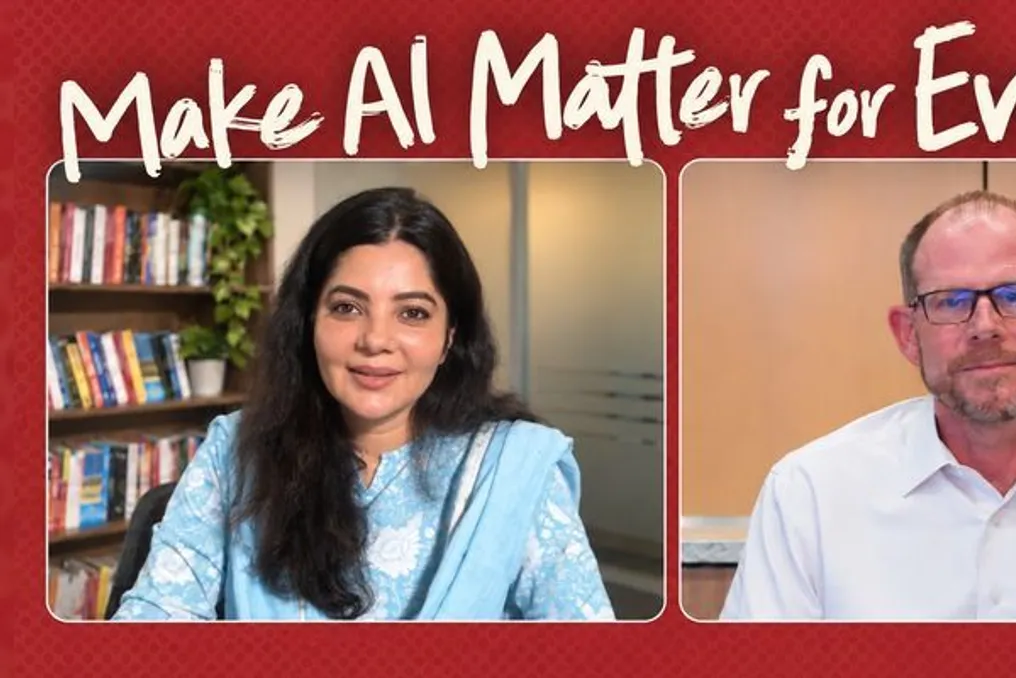
A few days before the report's release, the Gates Foundation CEO, Mark Suzman, spoke with Shradha Sharma, founder and CEO of YourStory, about the significance of this warning for India. Suzman recently returned from a trip at the end of August 2026, during which he attended government meetings, met innovators, and visited a district hospital in Uttar Pradesh.
Overview of Progress in India
Mark Suzman noted that during his nearly annual visits to India over the past fifteen years, he consistently sees new examples of energy and development, especially in the fields of healthcare, education, and the agricultural sector. He mentioned progress in combating tuberculosis, which is a minister's priority, as well as agricultural development. Specifically, they collaborate with ICAR, the Indian Council of Agricultural Research, to develop smarter, climate-resilient crops and new AI tools to improve farming efficiency.
Suzman emphasized that India represents one of the most dynamic ecosystems of energetic and intelligent people working in line with the Gates Foundation's priorities—improving lives and providing everyone with the opportunity to lead a healthy and productive life.
Application of AI in Healthcare
In response to a question about applying public health worker experience in Rwanda, Suzman stated that similar practices are already being implemented in India. One partner, Eka Care, allows healthcare workers to track pregnant women's needs by uploading information, enabling the Eka Care system to conduct more effective triage: determining pregnancy risk, whether additional support is needed, or if the mother is receiving sufficient nutrition.
Another significant initiative involves Wadhwani AI, which developed an application that can diagnose the need for serious tuberculosis treatment based on cough sound using an AI algorithm. These two examples demonstrate how such solutions can already be applied at scale in India, similar to what was observed in Rwanda.
Four Conditions for an AI Strategy
When Sharma asked how a country of 1.4 billion people should approach developing an AI strategy in light of the report's forecasts, Suzman called it a critical issue for the planet. He outlined four key aspects that must be considered. First, AI must be accessible and usable in every local language, including voice interfaces for healthcare workers, teachers, students, and small farmers.
Second, solutions must be contextually relevant. When developing an application to support a farmer in each state, it must be adapted to specific needs such as crop types, soil, irrigation systems, and government investments. Furthermore, trained local specialists are required to support these systems.
Third, data protection and governance are critically important. Complete security of both personal and national and sovereign data must be ensured. Finally, the fourth condition is investment in people and access. This means training specialists to effectively use AI tools and build upon datasets, as well as ensuring access to computing power, which he called a global challenge.
Suzman noted that India is making real progress in each of these areas, but it requires continuous support from the government, the private sector, and philanthropists like the Gates Foundation.
Impact of AI on Livelihoods
Responding to the question of AI's impact on the earnings of 12–14 million young Indians annually, Suzman referenced the Bill Gates memorandum. He acknowledged that AI is causing massive changes in certain types of jobs. However, the Gates Foundation sees the potential of AI as a productivity enhancer. In healthcare, AI can increase the efficiency of a medical professional, and teachers can work more productively through the ability to personalize curricula. In agriculture, such tools make community members more productive.
Despite the real risks, there are also great opportunities. Suzman believes that India is well-positioned to tackle these challenges. He highlighted that startups in India are engaged in innovative developments; for example, new mRNA treatments and the diagnostic tool Remidio, which analyzes eye vessels to detect various health problems, are being developed in Hyderabad.
He concluded that AI has the potential not only to provide broader economic opportunities but also to become a great equalizer if efforts are invested in language, access, and training. This could lead to accelerated improvements over the next ten to twenty years.
Prospects and Concerns
Suzman noted that India faces serious national challenges, such as transitioning from 6–7% growth to 8–9%, which is necessary to achieve the goal of becoming a middle-income country by 2047. Nevertheless, he compared this to the problems faced by other African and Asian countries experiencing immense financial difficulties. He is most pleased by the energy, engagement, and dynamism in the areas he works in, especially among young entrepreneurs.
His visit to the hospital in Uttar Pradesh showed him the innovation of nurses and doctors in caring for young mothers with premature infants, which instills hope. He is confident that India has the potential to lead this process. The report comes just before the UN summit in New York, where AI governance is being discussed. Suzman's four criteria for India are measurable: the speed of voice AI dissemination in Indian languages among frontline workers, the adaptation of agricultural advice to local contexts, the prioritization of data and governance, and access to computing resources. The next 18–24 months will show whether this advantage translates into leadership.