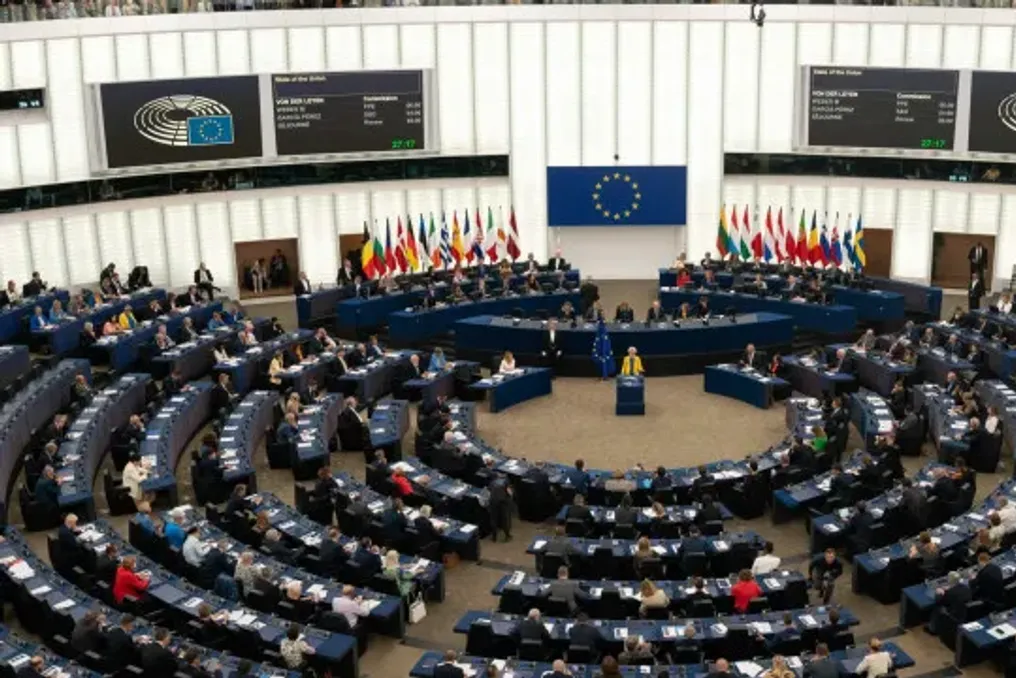
The European Parliament (PE) approved the European Commission's proposal to abolish customs duties on a wide range of Armenian goods without any changes. The decision was made by a majority vote: 583 in favor, 49 against, and 39 abstentions, as reported by the institution itself.
Under the new rules, which will come into force, certain EU customs fees calculated as a percentage of the goods' value, applicable to numerous Armenian products, will be abolished. Furthermore, duty-free quotas will be introduced for eight agricultural products, including grapes, apricots, cherries, peaches, and cucumbers.
These new rules will be valid for two years. The mechanism also includes safeguard provisions allowing the EU to intervene if the growth of imports from Armenia causes serious disruptions in the European market and harms local producers.
Ambassador Bogdan Zdroevski, a Member of the European Parliament from Poland representing the European People's Party and who acted as rapporteur for the proposal, stated that 'Armenia cannot remain hostage to Russian economic pressure. Today Europe is opening up new opportunities for Armenia.'
The Parliament's approval completes the process of adopting measures after the EU Council approved the proposal in early September, also without changes. The text must then be signed by the Presidents of the EP and the European Council and published in the Official Journal of the European Union, after which the regulation will enter into force the day after publication.
This European initiative arose against the backdrop of Russia introducing a number of restrictions on exports from Armenia starting in May of last year. These restrictions affected goods such as alcoholic beverages, mineral water, fruits, and vegetables.
Moscow also introduced measures making the transit of certain Armenian goods through Russian territory difficult, disrupting supply chains that had linked Armenian producers to traditional export markets for many years. These restrictions particularly hit small and medium-sized enterprises and agricultural producers in Armenia, reducing access to familiar markets and increasing economic pressure on the country.
In this context, Brussels seeks to facilitate the entry of Armenian products into the European market, creating new export opportunities for companies and producers affected by Russian measures. This trade decision is being made during a period of political rapprochement between Armenia and the EU and deteriorating relations between Yerevan and Moscow.