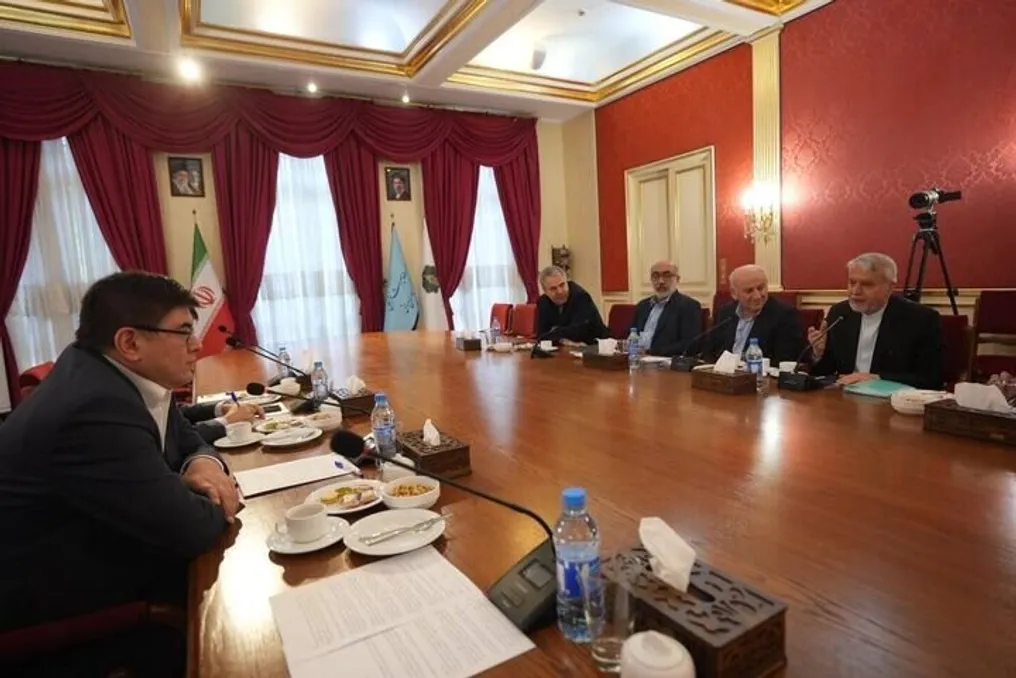
Iranian Minister and Tashkent Ambassador Discuss Expanding Tourism Cooperation Between the Countries
Read more
Tehran Times
www.tehrantimes.com

Iranian Minister and Tashkent Ambassador Discuss Expanding Tourism Cooperation Between the Countries

On Monday in Tehran, a meeting took place between Seyed Reza Salehi-Amiri, the Iranian Minister of Cultural Heritage, Tourism, and Handicrafts, and Fariddin Nasriev, the Ambassador of Tashkent to Tehran. During this meeting, the parties discussed opportunities to expand cultural and tourism interaction, as well as reviving the historical ties of the Silk Road and strengthening relations between the two states.

Salehi-Amiri noted that relations between Iran and Uzbekistan are based on the strong will and mutual interests of their heads of state, and that these ties have transformed into a common aspiration of both nations to develop bilateral relations in all spheres.

The Minister officially invited the Minister of Culture of Uzbekistan and the chairman of its tourism committee to visit Iran, presenting a package of ten practical areas for cooperation. He emphasized that the key responsibility for implementing the proposed roadmap lies with the ambassadors of the two countries, with the priority task being establishing direct contacts between private sector companies, holding groups, and reputable tourism agencies in Iran and Uzbekistan.

Furthermore, Salehi-Amiri highlighted the need to resolve visa-related issues and facilitate the creation of direct flights between the two countries, stating that both aspects will play a decisive role in increasing tourism exchange. He also called for the immediate establishment of a joint technical committee in Tehran and Tashkent to promote cooperation in the field of restoring historical buildings and reviving the cultural identity of the Silk Road.

In his remarks, the minister described the historical urban environment and architectural traditions of Bukhara and Samarkand as vivid examples of the shared heritage of the Eastern Islamic cultural sphere, noting that their architecture is reminiscent of the identity and character of Isfahan in Iran. He insisted that the commitment of the two countries should be formalized by a comprehensive and legally binding diplomatic memorandum of understanding.

Salehi-Amiri also mentioned the creation of a national integrated medical tourism system, which will provide a transparent and modern platform to showcase medical capabilities, treatment costs, organization of stays for foreign patients, and hotel services. He reported that after the official launch, this system will be available to relevant ministries of 'friendly countries,' including Uzbekistan.

For his part, Nasriev welcomed the proposed initiatives, emphasizing the deep historical and spiritual roots of the relationship between the peoples. He stated that 'the relationship between Tehran and Tashkent is based on centuries of intellectual and civilizational exchange,' adding that this common heritage serves as a foundation for expanding diplomatic ties under current conditions.

The ambassador noted that ongoing consultations between the leaders of the two countries contribute to expanding bilateral interaction in various fields. He also reported that last year Uzbekistan received 11 million international tourists, 23,000 of whom were from Iran.
Similar stories

Uzbekistan and Indonesia Expand Cooperation in Pilgrimage Tourism
Read more
uzdaily.uz

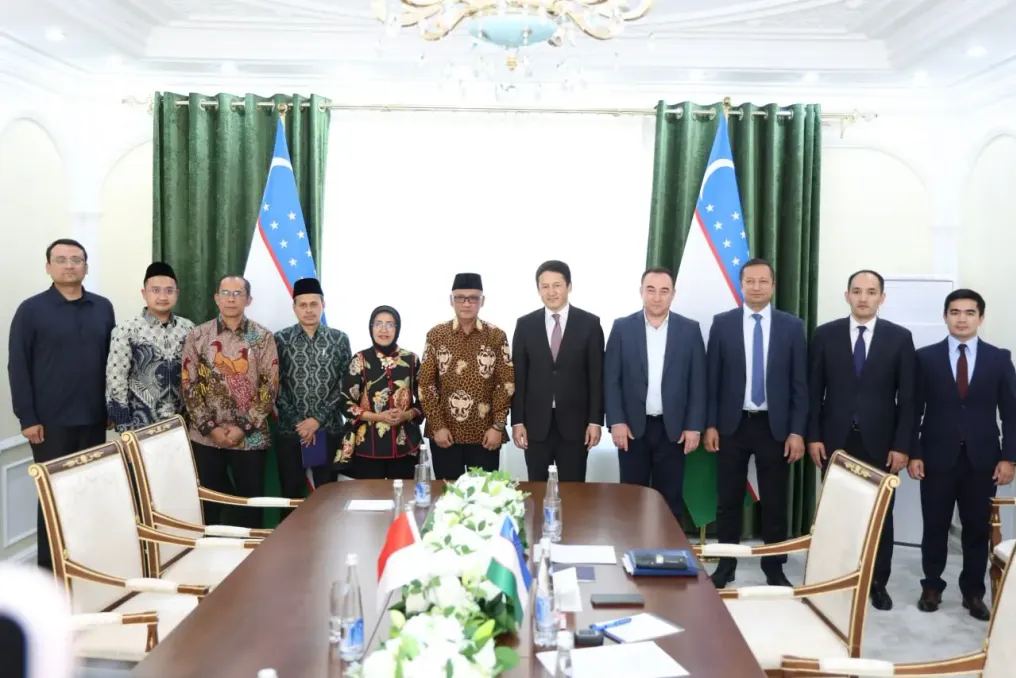
Uzbekistan and Indonesia Expand Cooperation in Pilgrimage Tourism

Uzbekistan and Indonesia intend to deepen their partnership in the field of pilgrimage tourism. Plans include organizing tourist exchanges, launching direct flights, and strengthening interaction between tour operators.

The discussion of these plans took place during a meeting between the Chairman of the Tourism Committee of Uzbekistan, Abdulkhaziz Akkulov, and the Indonesian Minister for Hajj and Umrah, Muhammad Irfan Yusuf.

One of the key issues discussed was increasing the number of tourists traveling between the two countries. The parties considered the possibility of opening a direct Tashkent-Jakarta air route, as well as direct flights connecting Tashkent with historical cities in Uzbekistan.

Participants in the meeting also discussed applying mechanisms proposed by the President of Uzbekistan to subsidize new airlines. Furthermore, local tour operators attracting tourists from Indonesia will receive a subsidy of 100 US dollars for each tourist brought to Uzbekistan.

Indonesia is viewed as a promising market for developing pilgrimage tourism, as more than two million Indonesian citizens perform Hajj and Umrah annually.

Uzbekistan has over 1200 pilgrimage sites, including places related to the heritage of Imam Bukhari, Imam Maturidi, Imam Tirmizi, and Bahauddin Naqshbandi.

During his visit, the Indonesian Minister toured pilgrimage sites in Samarkand and Bukhara. Following this visit, the parties agreed to promote these two cities in the Indonesian market as destinations for pilgrimage tourism, develop specialized routes, and organize B2B meetings between Hajj and Umrah operators from both countries.

A practical area of cooperation will be the opening of the five-star hotel 'Hadis' at the Imam Bukhari complex with the participation of Indonesian investors.

Additionally, the parties are considering creating an 'Umrah Plus' program, expanding interaction between tour operators, and improving pilgrimage tourism infrastructure. These measures are aimed at strengthening Uzbekistan's position in the Indonesian tourism market and increasing the number of tourists arriving from Indonesia.

Discussion of tourism cooperation between Iran and Pakistan at the HEGTA meeting
Read more
www.tehrantimes.com

Discussion of tourism cooperation between Iran and Pakistan at the HEGTA meeting

Issues regarding the expansion of tourism and investment interaction between Iran and Pakistan were discussed at a meeting between the head of the Iranian Social Insurance Tourism Group (HEGTA) and the Iranian Commercial Advisor in Pakistan.

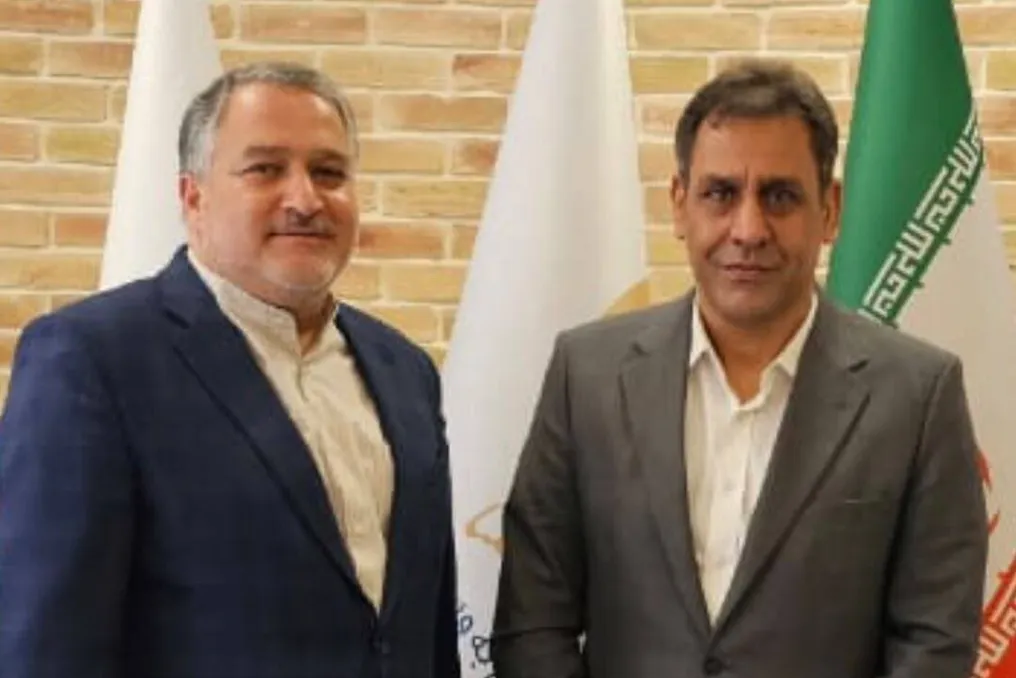
The meeting at HEGTA on Sunday evening gathered Alireza Tabesh, CEO of HEGTA, and Morad Nemati, Iran's Commercial Advisor in Pakistan. The main focus was on opportunities to strengthen tourism ties and facilitate investments between the two countries.

Tabesh emphasized the historical, cultural, and religious ties between the neighboring countries, noting that the shared heritage serves as a foundation for developing cultural, as well as tourism and investment contacts.

He stressed the need to utilize the Pakistani market more actively and proposed developing diverse inbound tour packages for various visitor categories, including families, scholars, traders, and businessmen.

These packages could cover pilgrimage, wellness, nature, scientific, industrial, cultural, and business tourism, offering numerous destinations across Iran, as he reported.

Tabesh added that reciprocal tours and Familiarization Trips (FAM trips) could be a starting point for better understanding the Pakistani market, developing tourism programs, and increasing tourist arrivals from Pakistan.

During the meeting, the application of targeted advertising and marketing in Urdu and English, as well as the use of artificial intelligence tools alongside traditional marketing and personal negotiations for more effective coverage of the Pakistani market, was also reviewed.

For his part, Nemati highlighted the importance of utilizing existing bilateral memorandums and agreements to expand tourism cooperation and strengthen ties between the private sectors of Iran and Pakistan.

He also noted HEGTA's potential in establishing contacts with Pakistani business and tourism operators and leveraging existing capacities to attract tourists and investors.

Participants also discussed expanding air routes, removing travel barriers, and simplifying the implementation of inbound tours, particularly emphasizing the need to transform existing potential into practical and implementable programs.

Agreement was reached on promoting several projects that could yield tangible results while simultaneously utilizing the potential of the private sectors of both countries more broadly.

Popular