The Gates Foundation has announced the allocation of at least $1 billion over a two-year period to expand access to artificial intelligence (AI) technologies. These funds will be directed towards supporting communities that are traditionally left out of new technology adoption.
This announcement followed the publication of the foundation's tenth annual report, the Goalkeepers Report. It emphasizes that AI has the potential to help bridge gaps in healthcare, education, and income sources, provided that governments, tech companies, and other stakeholders take necessary steps.
The report, titled Make This Matter: AI, Equity, and the Choice We Can’t Delay (2026), notes that the ability to influence who benefits from AI is narrowing as this technology rapidly develops.
The report highlights three critical areas needing attention. The first is the language barrier. The Foundation points out that over 90% of data used to train early large language models comes from English-language sources, leading to underrepresentation of many communities in the data used to develop AI tools.
The Foundation calls for the creation of AI systems that function in the languages people speak in daily life, rather than concentrating functionality around a limited number of dominant languages.
The second priority relates to context. AI tools must be based on data and knowledge from the communities where they will be applied, and those countries and communities must have a say in the governance and protection of their data.
The third aspect is access and skills. Opportunities must be created for doctors, farmers, teachers, and developers to understand, evaluate, and adapt AI tools to their needs. The accessibility of the technology itself will also require investment from philanthropists, governments, alongside actions by tech companies.
The Gates Foundation plans to distribute the allocated funds across four main areas. Education will receive 40% of the total funds, which will be directed towards supporting AI-powered educational materials designed to personalize student learning and teaching tools in the US and other countries.
Another 40% will be allocated to healthcare. This funding portion will cover diagnostics, clinical decision support for frontline medical personnel, maternal and newborn care tools, as well as the search for new drugs and vaccines.
Agriculture will receive 10% of the funding. These funds will go towards developing systems that provide smallholder farmers with AI-generated advice tailored to their specific soil, weather, and crop conditions.
The remaining 10% will be dedicated to building the digital foundations necessary for equitable AI use, including collecting datasets in languages that current AI tools do not adequately understand.
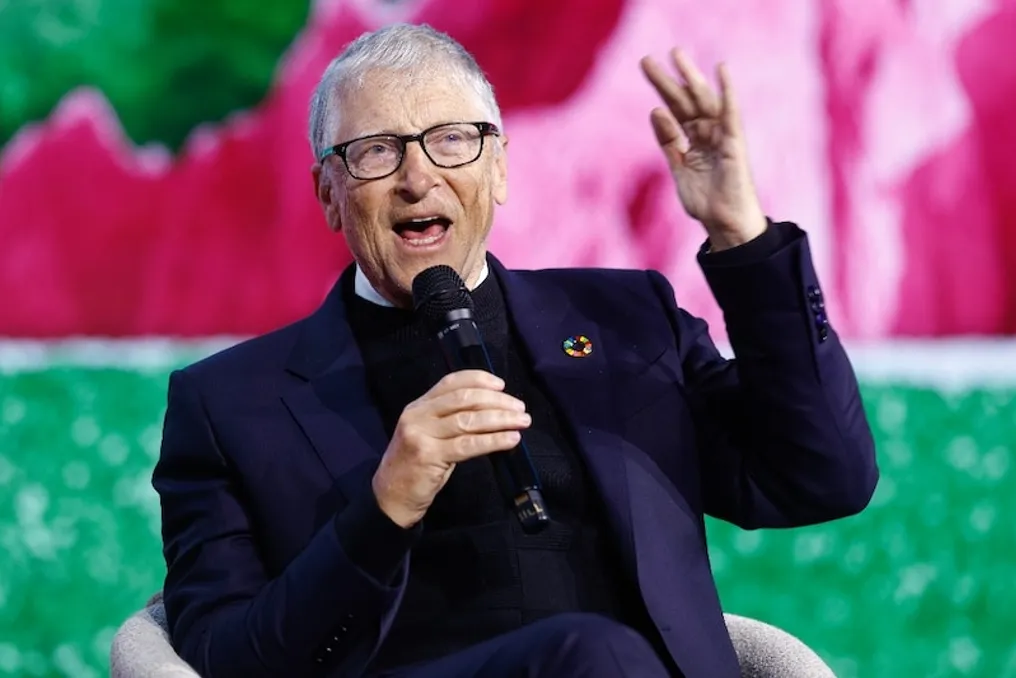
Bill Gates, Chairman of the Gates Foundation, noted that AI could replicate the existing problem where people with the greatest needs have the least influence on the direction of innovation and investment. Gates writes in the report: 'AI presents the same problem, only at a much faster pace.'
He argues that if development is left solely to market forces, the most advanced tools may be created first for users and institutions that can afford more, rather than for those who could benefit the most from them.
Thus, the foundation's funding will support partners already working to close the gaps in AI access and ensure that the tools reflect the knowledge and priorities of the communities they serve. Bill Gates concludes: 'We can use AI for good. But it won't happen by itself.'
The Foundation also calls upon governments, tech companies, and other parties to contribute through funding, expertise, and influence to make AI more useful, accessible, and affordable. The central thesis of the report is that the impact of AI is not predetermined; the extent of its benefits distribution will depend on decisions made now.