Sri Lanka intends to achieve a target of three million international tourist arrivals over the next twelve months, with the United Arab Emirates (UAE) and the broader Middle East region becoming key elements of its tourism development plan.
Representatives from the tourism industry, speaking at the Arabian Travel Market exhibition in Dubai on Monday, reported that the island seeks to move beyond traditional markets and is interested in attracting more high-spending travelers from this region. This is planned to be achieved by strengthening partnerships with airlines and expanding the range of experiences offered.
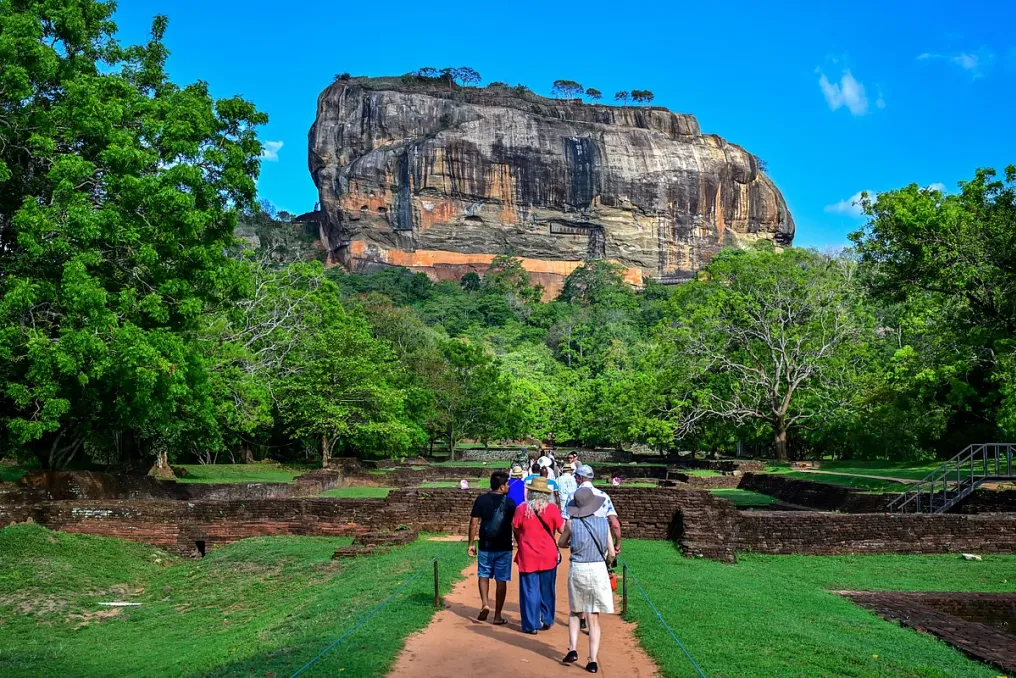
Alexi Gunasekera, Sri Lanka's Consul General in Dubai, emphasized that the country wants visitors to perceive Sri Lanka not just as an affordable beach destination. He highlighted the island's wildlife, cuisine, culture, colonial heritage, and hospitality, calling its compact size one of the main advantages for tourists.
Gunasekera noted that a guest can 'wake up near the Indian Ocean, explore a civilization of over 2500 years, experience wildlife, and discover Sri Lankan food and tea—all in one trip.' He also stated that Sri Lanka should be viewed as a high value-added destination offering luxury and niche experiences, rather than just a cheap destination.
This concept is reflected in the country's tourism message: 'Sri Lanka: You will come back for more.' This activism comes against the backdrop of visitor flow from the Middle East not yet fully recovering to pre-pandemic levels. According to data from the Sri Lanka Tourism Development Authority, 32,338 visitors from the Middle East were registered in the region in 2025.
During the presentation in Dubai, Chamila Jayaratna, Deputy Managing Director of the Sri Lanka Tourism Promotion Bureau, reported that arrivals from this region reached about 71,000 people in 2018, demonstrating potential for further recovery. However, the UAE market stands out for another aspect—spending. According to data presented by Jayaratna, the average tourist spends about $148 per day in Sri Lanka, while guests from the UAE spend approximately $195 daily.
He concluded that this is why the Middle East market is extremely important for Sri Lanka, characterizing the region as a premium market for the country's tourism industry. Sri Lanka is now working to strengthen cooperation with airlines and tourism partners in the region, including joint advertising campaigns.
The country's strategy also includes expanding the types of experiences offered to foreign guests. Health is one of the sectors Sri Lanka aims to develop, highlighting Ayurveda, yoga, traditional wellness practices, and modern retreats among the offerings. Weddings are also being considered as a promising area, especially among travelers from South Asia and the Middle East.
Furthermore, Sri Lanka is developing its MICE sector—Meetings, Incentives, Conferences, and Exhibitions—alongside corporate incentive tourism and cruise tourism. According to Jayaratna, this shift reflects a change in tourists' expectations from their holidays. He observed: 'People don't come to take pictures. People come to collect memories.'
The luxury segment in the country is also expanding: eight new five-star resorts and luxury boutique establishments support the drive towards higher-income tourism. An important part of the strategy is also air connectivity. According to the Sri Lanka Tourism Promotion Bureau, there are currently eight direct flights daily between the UAE and Sri Lanka. The diverse population of the UAE provides Sri Lanka with the opportunity to reach travelers from different parts of the world through one market.
The Sri Lankan Ambassador to the UAE, Dr. Arusha Kurai, stated that tourism is at the forefront of the growing cooperation between the two nations. She noted: 'Relations between Sri Lanka and the United Arab Emirates continue to strengthen across all sectors, with tourism being a priority in our bilateral cooperation.' She added that as part of working towards the three million tourist goal, Sri Lanka's diplomatic presence in the UAE will focus on strengthening trade ties and promoting the country among Gulf travelers.
These relations extend beyond tourism. Kurai informed Khaleej Times that the UAE is Sri Lanka's seventh-largest export market, third-largest import partner, and sixth-largest investor, with bilateral trade amounting to $1.7 billion. Approximately 350,000 Sri Lankans also reside and work in the UAE.
As it approaches the three million tourist target, Sri Lanka's offering to travelers from the UAE is becoming broader. It is no longer just about beaches or budget holidays; the country wants visitors to come for its wildlife, cuisine, history, wellness, and luxury experiences, and find a reason to return.