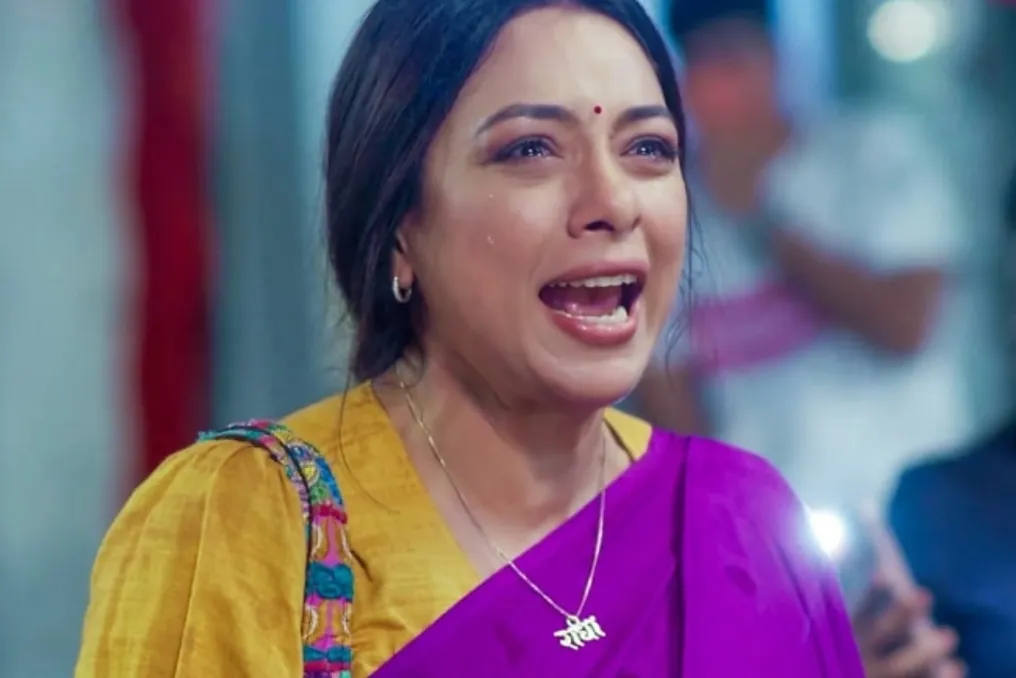
Actor Rohit Roy caused a stir with his statement that television has become a 'junk medium.' In his opinion, content created for TV often has a short lifespan, being forgotten after viewing. He also noted that modern television creativity lacks depth, and TV actors do not possess the 'grace' and 'class' inherent in film actors.
Despite the controversial nature of his remarks, they raise an important question: has modern television drifted from its brilliant past?
The history of Indian television began with a strong foundation, rather than chasing 'spices.' On July 7, 1984, the series 'Hum Log' premiered on Doordarshan, which is considered the first long-running Hindi soap opera in India. Its plot focused not on palaces or wealthy families, but on the struggles, dreams, and relationships of an ordinary middle-class family.
'Hum Log' served not only as entertainment; it addressed themes such as family, alcoholism, the status of women, employment, and social change. After each episode, Ashok Kumar directly interacted with viewers, making TV a platform for storytelling and dialogue with society.
This was followed by the series 'Buniyaad,' launched in 1986 under the direction of Ramesh Sippy. This project told the story of generations following the trauma of Partition, using a family narrative. Its language was grounded, and its characters were not confined to simple categories of good and evil, allowing 'Buniyaad' to be considered an example of the golden age of Indian TV.
Subsequently, shows like 'Shanti,' 'Hasratein,' and 'Sans' emerged, expanding the horizons of TV. 'Shanti' narrated the story of a female journalist, while 'Hasratein' boldly tackled sensitive issues of marriage and extramarital affairs. 'Sans,' written and directed by Nina Gupta, focused on cracks in relationships and infidelity. At that time, TV narratives were not limited merely to conflicts between mothers-in-law and daughters-in-law.