Plant breeding innovations can secure the future of South African agriculture
Read more
Food For Mzansi
foodformzansi.co.za

Plant breeding innovations can secure the future of South African agriculture

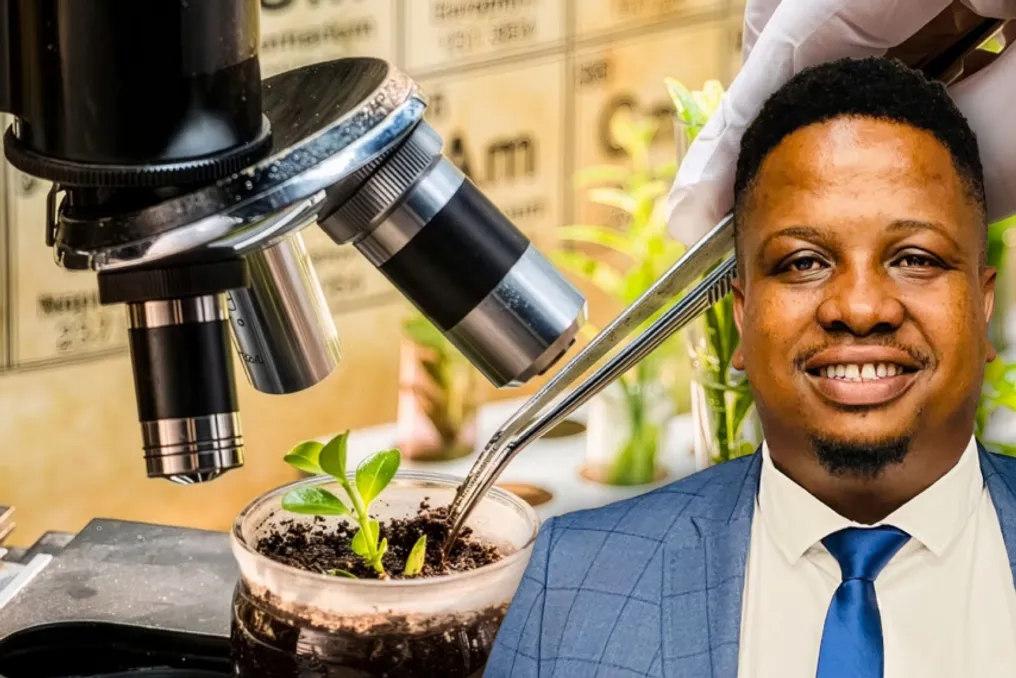
As global agriculture faces climate shocks and changing regulations, plant breeding remains a crucial foundation for farmer resilience. Dr. Makhlane Kgatle explains in detail how gene editing, biosecurity, and responsible innovation can protect productivity and foster the prosperity of South Africa's agricultural sector.

Agricultural genetics has always been the cornerstone of modern farming development. Long before the advent of genetically modified organisms and gene editing, farmers and breeders selected and improved plants with desirable traits such as higher yields, disease resistance, quality, and the ability to adapt to local conditions.

Over generations, traditional and hybrid breeding have made significant contributions to increasing agricultural productivity and sustainability. Recently, molecular breeding and biotechnology have expanded the arsenal of tools available to breeders to address increasingly complex production challenges.

For farming communities, the practical value of genetics lies in the fact that improved varieties help manage production risks, respond to climatic conditions, stabilize yields, combat pests and diseases, and produce raw materials that meet specific market demands.

Recent advancements in Germany and the European Union demonstrate growing international interest in the next generation of agricultural genetic technologies. The European Union adopted a new framework for certain New Genomic Techniques (NGTs), establishing different regulatory requirements for various categories of genetic modifications.

This framework recognizes that some targeted genetic changes may be comparable to those that could occur through traditional breeding, while more complex genetic modifications remain subject to more comprehensive requirements. These changes should not be viewed merely as a move towards deregulation, but as a demonstration of the importance of developing scientifically sound approaches that account for differences between technologies and genetic changes, while maintaining appropriate safeguards for human health, agriculture, biodiversity, the environment, and consumer confidence.

For South Africa, international trends present an opportunity to stay abreast of developments while continuing to develop the country's established scientific and regulatory systems. South Africa possesses significant experience in assessing and managing agricultural biotechnology, supported by research institutions, regulatory oversight, and risk assessment processes. These systems are vital safeguards that allow agricultural technologies to be thoroughly considered before application and adoption into production systems.

Breeding has constantly evolved. Farmers initially relied on selection and traditional breeding, then moved to hybrid breeding to increase yield and viability. Molecular approaches subsequently provided breeders with additional information to identify desired traits, and genetically modified crops introduced specific characteristics, such as insect resistance and herbicide tolerance.

Gene editing represents another development in this broad continuum of genetic improvement. These technologies offer various tools that can be suitable for different breeding objectives. Their value depends on the target trait, the production environment, the characteristics of the resulting variety, and the needs of farmers and markets.

The importance of genetics is growing as farmers face climatic variability, changing pest and disease pressure, rising resource costs, and evolving market demands. Genetic improvement can serve as an additional tool to manage these challenges, although genetics remains only one component of a broader production system. It is important to note that genetics does not operate in isolation; crop productivity is determined by the interaction of genotype, environment, and management.

A genetically improved variety may offer greater yield potential or enhanced resistance, but its actual effectiveness depends on whether it is suited to the production environment and whether it is supported by appropriate agronomic management.

South Africa already has extensive experience with agricultural biotechnology. Genetically modified maize, soy, and cotton have provided farmers with traits that support pest control, weed management, and production stability. These technologies have become part of modern production systems and have contributed to South Africa's accumulated experience in applying biotechnology in commercial agriculture.

This experience also underscores the importance of a robust legal framework. South Africa's GMO Act provides an established regulatory system for genetically modified organisms, backed by scientific assessments and institutional oversight. This framework provides essential guarantees, ensuring that potential risks to human health, agriculture, and the environment are properly considered.

The strength of this approach lies in responsible evaluation, not in adopting technologies for their own sake. Agricultural innovations must be accompanied by consideration of ecological interactions, biodiversity, food and feed safety, trade requirements, and consumer interests. Furthermore, biotechnology does not replace good agricultural practices. Improved genetics must be integrated with proper soil management, planting times, cultivar selection, pest and disease control, water resource management, climate information, and other agronomic methods. The greatest value is achieved when genetics and management work together.

Gene editing expands the range of tools available to plant breeders. It allows for targeted changes in genetic material and can open up opportunities for developing agriculturally relevant traits, including improved resistance to pests and diseases, adaptation to environmental stresses, and enhanced quality characteristics.

An important scientific aspect is that gene editing encompasses various types of genetic changes. Some may lead to changes that could also occur through traditional breeding or natural genetic variation, while other applications may involve more complex genetic modifications. Consequently, the characteristics of the resulting organism remain important when considering potential agricultural, environmental, and food consequences.

South Africa's existing regulatory framework serves as an important foundation for the responsible consideration of these technologies. As scientific understanding evolves, continuous assessment and monitoring can help ensure that new applications are considered within appropriate regulatory and biosafety requirements.

International developments can provide valuable scientific information without requiring South Africa to simply copy approaches adopted elsewhere. Different countries operate within different agricultural, environmental, economic, and regulatory contexts. Thus, South Africa can benefit from international experience while maintaining its own established safeguards and decision-making processes.

Ultimately, the key question for farmers is not the complexity of the technology, but the value it brings to the farm system. Several countries are developing approaches to assess or utilize certain gene-edited crops under specific conditions. These developments are relevant to South Africa because changes in international breeding technologies can ultimately affect seed availability, cultivar choice, commodity markets, and trade.

Canola is one example. Developments in gene-edited canola could eventually become relevant to South Africa through international seed markets and winter crop production. Therefore, these developments require constant technical monitoring. They do not necessarily mean that new technologies must be immediately adopted in South Africa. Rather, they provide researchers, industry, and farmers with an opportunity to understand new technologies, assess their performance, and consider their potential relevance in South African production systems.

Accessibility will also be a factor. A new variety must provide sufficient agronomic and economic benefit to justify adoption. Seed cost, availability, yield, technical support, market requirements, and compatibility with existing farming methods will influence whether farmers benefit from a new technology. This is particularly important for smallholder and small agricultural enterprises. Agricultural innovations must focus not only on what is technically possible but also on whether the relevant technologies can promote inclusive and sustainable agricultural development.

The path from genetic research to agricultural impact involves several stages: the trait must be scientifically characterized, incorporated into a suitable cultivar, evaluated under appropriate environmental conditions, and assessed for agronomic performance, and then it must demonstrate value within the farm system where applicable, meeting relevant regulatory and market requirements.

This highlights the importance of rigorous trials, farmer participation, extension support, and reliable technical information. Farmers must understand not only what a new variety can potentially offer but also how it performs in specific production settings and what that means for their costs, risks, and markets. Thus, the entire agricultural value chain plays a vital collective role: researchers provide scientific evidence, breeders develop suitable varieties, regulators assess potential risks, extension services provide technical information, and farmers evaluate technologies in their production systems.

Agriculture operates within complex biological and ecological systems, and technologies must be considered with due attention to their potential impact on health, biodiversity, the environment, trade, and production systems. Therefore, caution must remain an integral part of agricultural innovation. At the same time, continuous scientific monitoring of international developments allows South Africa to stay informed about new technologies and their potential applications.

This balanced approach supports responsible innovation, allowing for an understanding of what a technology can offer, identifying potential risks, assessing its performance, and ensuring its application complies with appropriate regulatory and biosafety requirements. Ultimately, agricultural genetics should be judged by its contribution to farming, where improved genetics can enhance productivity, sustainability, and resource use efficiency.
Similar stories

China and South Africa Strengthen Cooperation in Science, Technology, and Innovation
Read more
iol.co.za

China and South Africa Strengthen Cooperation in Science, Technology, and Innovation

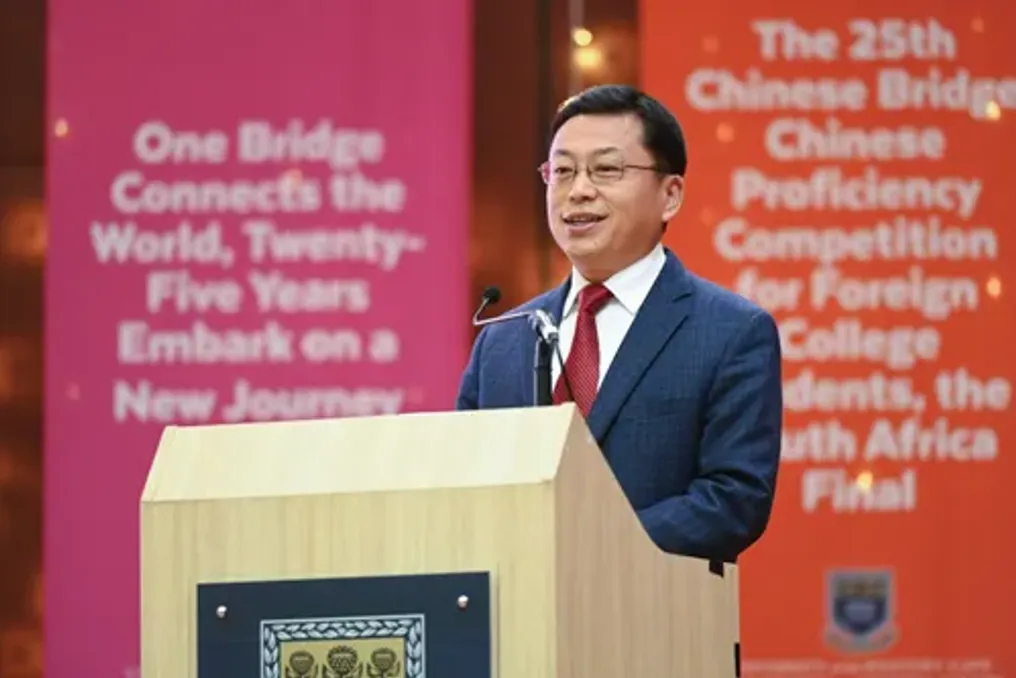
The Consul General of China in Cape Town, Ren Feicang, stated that China will continue to cooperate closely with South Africa to utilize the potential of science, technology, and innovation for mutual development, promoting the modernization of China and Africa, and contributing to building a community with a common future for humanity.

2026 marks the 28th anniversary of the establishment of diplomatic relations between China and South Africa. Bilateral ties have been elevated to a comprehensive strategic partnership in the new era, with cooperation in science, technology, and innovation steadily developing and yielding significant results. Three provinces served by the Chinese Consulate General in Cape Town—Western Cape, Northern Cape, and Eastern Cape—serve as prime examples of this deepening interaction.

This month, the 19th Putian Innovation Forum in Shanghai proudly hosted South Africa as its first African guest of honor. Meanwhile, the 18th World Health Assembly, held in Cape Town, brought together China and South Africa to focus on global health governance. These two major international events complemented each other, demonstrating a new chapter in China-South Africa cooperation in science, technology, and innovation, and setting a positive example for south-south cooperation in science and technology.

China-South Africa cooperation in science, technology, and innovation consistently benefits from the strategic guidance of leaders from both countries. In July 2018, a High-Level Dialogue between Chinese and South African scientists took place in Pretoria. Chinese President Xi Jinping and South African President Cyril Ramaphosa jointly attended an exhibition showcasing the achievements of bilateral scientific and technological cooperation. President Xi noted that the breakthroughs achieved by Chinese and South African scientists in science and technology have attracted worldwide attention, and that the scope of cooperation continues to expand.

In March 2026, Chinese Vice President Han Zheng and South African Deputy President Paul Mashatile jointly chaired the ninth plenary session of the China-South Africa Binational Commission in Cape Town, injecting new strategic momentum into science, technology, and innovation cooperation. In June, the Chinese Embassy in South Africa and the Department of Science, Technology and Innovation of South Africa jointly held the China-South Africa Young Scientists Symposium in Pretoria. The event was attended by, among others, the Chinese Ambassador to South Africa Wu Peng, South African Minister of Science, Technology and Innovation Professor Blade Nzimande, and the President and Chairperson of the South African Academy of Sciences Professor Tokozani Majozi.

On July 16 in Shanghai, China, the Artificial Intelligence Cooperation Organization was officially launched, with Minister Nzimande attending the opening ceremony in China. The strategic consensus between the two countries is transforming into an increasingly rich spectrum of practical outcomes. The scientific and technological communities, as well as industries in both countries, continue to support the traditional friendship between China and South Africa, working together to define a path toward mutually beneficial development in science, technology, and innovation.

Diplomatic relations between China and South Africa were established in 1998, and in 1999, the countries signed the Agreement on Scientific and Technical Cooperation, making innovations in science and technology a vital foundation of their long-term friendly partnership. Over nearly three decades, the scope of cooperation has expanded—from joint research to talent development, from advanced technologies to the practical application of research findings.

According to information published by the South African Department of Science, Technology and Innovation in March of this year, more than 150 joint R&D projects have been implemented since the signing of the Science and Technology Agreement in 1999. These projects cover a range of priority areas, including healthcare, space science and astronomy, energy, traditional medicine, mineral development, and agricultural sciences. Joint research, personnel exchange, and capacity building are deepening continuously, transforming strategic consensus into tangible results.

Exchanges among young scientists, joint research centers, and science park initiatives continue to develop, and new areas such as artificial intelligence, quantum technologies, space science, and cybersecurity have also been included in the cooperation agenda. The three provinces within the jurisdiction of the Chinese Consulate General in Cape Town are becoming increasingly integrated into the broader framework of China-South Africa cooperation.

The 19th Putian Innovation Forum successfully took place in Shanghai from September 11 to 14 this year. For the first time, South Africa served as the guest of honor, becoming the first African country to hold this role. Minister Nzimande led the delegation at the forum, presenting achievements in agriculture, traditional medicine, intelligent technologies, smart energy, hydrogen energy, and space science, with participation from representatives of the South African government, research institutions, universities, and enterprises.

This once again highlighted Africa's growing and deeper involvement in global scientific and technological cooperation. China-South Africa cooperation also holds broader multilateral significance. In platforms such as BRICS and the G20, the two countries continue to expand opportunities for cooperation in new technologies. The Square Kilometre Array (SKA) radio telescope project, including the mid-frequency antenna array located in Carnarvon in the Northern Cape, is a prime example of China and South Africa's joint participation in a major international scientific project.

The Putian Innovation Forum and the World Health Assembly serve as two important platforms emphasizing the broad potential for cooperation between China and South Africa in global science and technology governance.

At this new stage of the 28th anniversary of diplomatic relations between China and South Africa, China is ready to work with South Africa to deepen strategic alignment, strengthen traditional areas of cooperation, expand new directions such as digital intelligence, low-carbon development, and life and health, as well as enhance talent exchanges and joint scientific research. From the 1999 Agreement on Scientific and Technical Cooperation to over 150 joint R&D projects today—from youth exchanges to cutting-edge fields like artificial intelligence and quantum technologies—China-South Africa cooperation in science, technology, and innovation has laid a solid foundation and possesses broad prospects for the future.

The Chinese Consulate General in Cape Town will continue to play a role as a bridge and link, facilitating deeper and more substantial cooperation between the three provinces in its consular district and China in the field of science, technology, and innovation. Innovation knows no borders, and cooperation connects our future.

China will continue to cooperate closely with South Africa to utilize the potential of science, technology, and innovation for mutual development, promoting the modernization of China and Africa, and contributing to building a community with a common future for humanity.

Smart insurance helps farmers maintain financial stability amid climate change
Read more
foodformzansi.co.za

Smart insurance helps farmers maintain financial stability amid climate change

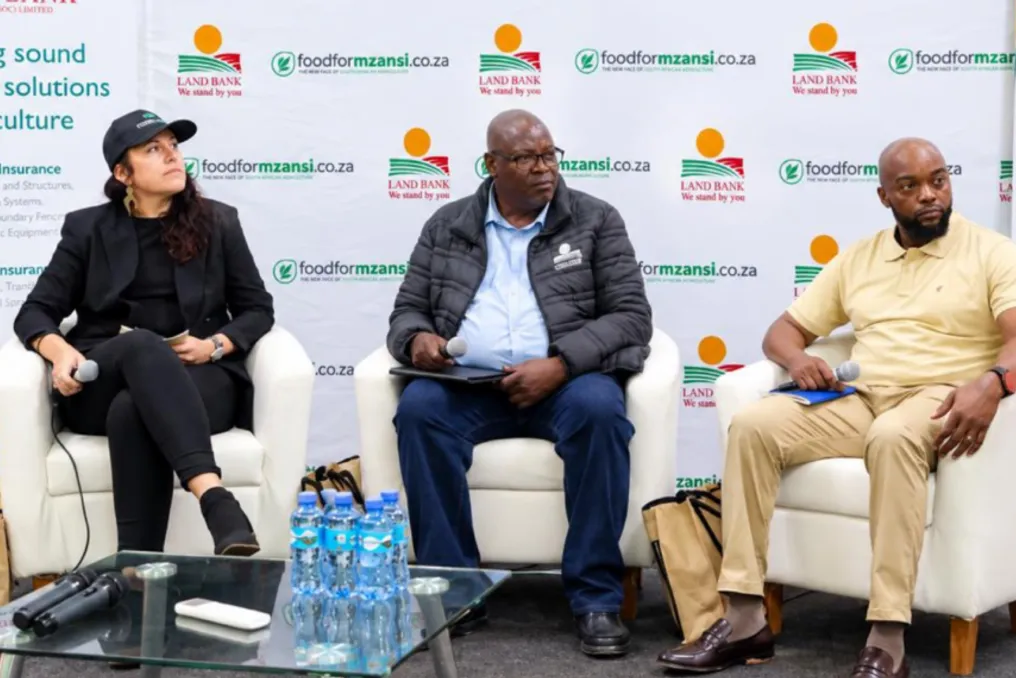
To create resilient agricultural enterprises, it is necessary to shift from reacting to crises to actively protecting assets, livestock, and data that ensure the financial viability of agribusiness. This was the central message at the closing day of the 'Lunchtime Conversations' series, organized by Food For Mzansi in partnership with Land Bank in Bredasdorp, at the Nampo Cape event.

Industry experts gathered again in the Santam auditorium to discuss in detail the topic 'Protecting what matters: assets and livestock for sustainable agriculture.' The panel discussed how to align climate variability, insurance innovations, and localized data to protect South African agriculture from growing uncertainty.

Starting the discussion, Andriess Malase, Senior Operations Manager at Land Bank Insurance, emphasized that because agriculture is an open industry, farmers and production systems are constantly exposed to the influence of weather fluctuations, temperature, and rainfall.

Analyzing recent production cycles, Malase noted that high overall production volume can mask serious operational difficulties on individual farms. Although South Africa achieved a production volume of 70 million tons last season, which looked positive at the macro level, individual farmers faced serious problems due to extreme events such as hail and floods.

Malase stated that while insurance is originally aimed at protecting farmers and their livelihoods, today farmers need practical and accessible insurance tools for managing risks and uncertainties. He added that Land Bank Insurance is ready to develop solutions that meet these needs and is prepared for potential events and risks that farmers may face.

In light of impending harsh climate patterns, Malase strongly urged producers to take early and thoughtful measures to protect their businesses. He questioned readiness for 'super El Niño,' believing that this starts with the ability of farmers to adopt technologies, new practices, and techniques, and that farmers should view insurance as a serious investment.

The need for specialized protection is driven by the reality of rapid climate shifts. Dr. Tara Southy, CEO and founder of TerraClim, pointed out that the main problem of climate change in South Africa is strong seasonal variability, where no season resembles another.

Southy explained that the country is experiencing a scenario of rising temperatures and decreasing humidity, as well as an increase in seasonal phenomena, hours above 35 degrees Celsius, and hours below seven degrees Celsius.

She cautioned against relying on historical annual averages when assessing risks. Citing the Western Cape, she noted that although the region received very little rainfall in July, heavy rains in early May made the average winter figure appear normal.

For the data to be truly useful on the farm, she called on the industry to break down climate data into hourly intervals to quantify the frequency of extreme events in specific areas. Southy stressed that in the context of climate change, it is crucial to start quantifying extreme events rather than simply moving away from averages.

She added that all this hourly data affects plant physiology, as well as the movement of pests and diseases, and understanding this across the entire farm—not just with one weather station—is key to recognizing climate vulnerability.

From a risk management and brokerage perspective, Sinethemba Zweni, a representative of an insurance broker from Venshaw Insurance Administrators, noted that unpredictable climatic conditions cause direct financial anxiety among producers due to fluctuating operating costs.

Zweni stated that farmers are generally very concerned about climate change due to its unpredictability. When an incident occurs, farmers want to know how quickly the insurer can resolve the issue. He believes this is the primary concern for farmers at present.

Although farmers generally acknowledge the need for insurance coverage, Zweni highlighted a critical area for improvement across the entire insurance chain: strengthening the links between brokers and producers. He added that there is a gap that needs to be addressed, namely that brokers must be closer to their clients, understand their needs and risks, so they can provide proper advice.

South Africa's Unfinished Economic Story: Transitioning from Democracy to Economic Power
Read more
iol.co.za

South Africa's Unfinished Economic Story: Transitioning from Democracy to Economic Power

As South Africa moves into the future, a key question remains: how to reimagine the economic landscape to empower the black majority and ensure sustainable success for future generations? The black majority in South Africa has held political power for thirty-two years, yet it has accumulated significantly less economic power necessary for genuine national transformation. This is not a critique of democracy itself, but rather a description of an incomplete task.

Although the country has become very adept at responding to racism—by discussing racist remarks, acknowledging historical injustices, challenging symbols, and reviewing apartheid crimes, which is often justified—there is another question that deserves equal urgency: what are we building? Political liberation alone does not generate economic power. Economic power is not merely about having jobs; it is tied to owning productive assets, controlling capital, creating companies, generating intellectual property, shaping institutions, influencing markets, and possessing the purchasing power that dictates what the economy produces.

The example of Eskom illustrates this problem. If Eskom is assessed solely through the lens of profit and loss, its fundamental purpose—development—is overlooked. Established as the Electricity Supply Commission in 1923, Eskom was created in industrializing South Africa to provide electricity, a vital input for economic growth. Its initial mandate was closely linked to expanding mining, railways, industry, and the economy as a whole.

Electricity has never been just a consumer good. The built environment sector understands this deeply: construction, manufacturing, digital infrastructure, and Fourth Industrial Revolution technologies transforming design and facility management all depend on a reliable power supply as a basic resource. Power outages did not just inconvenience households; they delayed construction projects valued at 47 billion rand since 2019, stalled industrial potential, and pushed back digital transformation timelines by years.

Of course, Eskom must be financially sustainable, efficiently managed, and accountable for the use of public resources. However, judging a development-oriented institution only by whether it makes money risks confusing means with ends. A more critical question is whether reliable and accessible electricity allows South Africa to produce more, employ more people, build more businesses, and become more competitive. The modern economy cannot function without abundant and reliable electricity, just as the strategy for black economic advancement cannot.

This leads to an uncomfortable reality: Black South Africans constitute the overwhelming majority of the population, but demographic superiority has not translated into equivalent economic power. According to the 2022 South African census, the black population accounted for 81.4%. Nevertheless, household income and wealth remain deeply unequal across races. This is not just an issue of consumption inequality; it is an issue of ownership and productive capacity.

A society can have millions of consumers without having millions of asset owners. This distinction matters. Consumption drives the movement of the economy, while ownership determines its direction. When a Black household buys goods from a multinational corporation, it participates in the economy. But when a Black enterprise produces those goods, hires workers, owns intellectual property, and retains profits, it exercises economic power. These are different things. Therefore, South Africa must broaden its definition of transformation.

Transformation cannot be measured solely by the number of employed people, the number of graduates entering the labor market, or the volume of social welfare spending. These factors are hugely important, but transformation must also ask: Who owns the productive economy? Who owns the enterprises? Who owns the intellectual property? Who owns the land and productive assets? Who controls the capital? Who creates the technology? Who owns the media platforms through which South Africans understand themselves and their economy?

The last question is particularly crucial because economic power and narrative power are closely linked. The black majority in South Africa does not control a comparable mass media ecosystem that reflects its demographic weight. SABC remains the country's most important public broadcaster, but its financial vulnerability has repeatedly threatened its public mandate.

This is important because the media does more than just report reality; it helps determine which issues become national priorities. The same logic applies to knowledge production. Knowledge in the South African built environment—its design standards, software systems, accreditation frameworks, and research infrastructure—is still predominantly shaped by Global North institutions. Black South African engineers, architects, and construction specialists train using curricula developed elsewhere, use foreign software, and build careers whose intellectual products are cited and valued outside the country.

Epistemic ownership is inseparable from economic ownership; it is one of its foundations. Recent public events have demonstrated that South Africa's historical narrative remains actively contested. But the more significant question is not whether history should be remembered—it must be remembered—but whether Black South Africans are actively involved enough in creating the institutions through which their own history is told. If we do not build institutions capable of telling our stories, others will continue to define the national conversation for us.

This also explains why the historical argument is relevant. South Africa's economic structure did not suddenly emerge in 1948. Apartheid intensified and institutionalized racial capitalism, but many foundations of the country's unequal economic order were laid during colonial conquest and the development of the mining economy even before the National Party took power. Systems of labor migration, racial land ownership, spatial segregation, and unequal access to education and capital have a history predating apartheid. Recognizing this is not an exercise in historical accusation; it is necessary to understand why the political changes of 1994 alone could not erase centuries of accumulated economic advantage.

The democratic state inherited an economy where ownership, capital, and productive assets were already highly concentrated. Three decades later, the question must be asked: was our transformation strategy ambitious enough? Perhaps it focused too heavily on redistribution after wealth creation, and not enough on creating new sources of wealth and ownership. Perhaps we spent too much time on how Black South Africans could access the existing economy, and not enough on how to build an economy where Black South Africans are the owners, producers, and providers of capital.

This is especially relevant for townships. Townships are often discussed primarily through the lens of poverty, unemployment, and service provision. But they also represent massive markets. They contain consumers, entrepreneurs, skills, informal businesses, and social networks. The challenge is to convert township purchasing power into productive capacity. Instead of simply asking how the government can increase spending in townships, we should ask how most of that spending can contribute to business development, asset building, and productive capacity within these communities.

How do we turn consumers into shareholders? How do we help informal businesses become formal, scalable enterprises? How do we create financial systems that recognize township entrepreneurs as economic actors, not perpetual beneficiaries? How do we ensure youth are trained not only to compete for jobs but also to create intellectual property, companies, and technologies? How do we build digital construction skill pipelines that make township contractors competitive in a procurement environment increasingly demanding BIM, digital project management, and structured data handover?

An infrastructure portfolio worth 395 billion rand slated for procurement represents an economic opportunity for township construction firms, but only if these firms possess the digital capabilities to participate in tenders and execute public contracts. These are far more complex questions than identifying a racist, but ultimately, they may be more important. There will always be people seeking to provoke, exclude, or humiliate Black South Africans. We cannot build a national economic strategy around reacting to every provocation. At some point, initiative must replace reaction.

The goal should not be the creation of prosperity for the black population as a tool of racial exclusion. The goal must be the construction of a broader South African economy in which the majority possesses sufficient economic strength to participate meaningfully in determining its direction. This requires electricity that supports industry; infrastructure that connects people to markets; education that prepares creators, not just employees; financial institutions willing to fund new ventures; media institutions capable of creating independent narratives; companies able to move from township markets to national and international markets, and, above all, a cultural shift from access to ownership.

South Africa has spent 32 years asking whether democracy provided enough. Perhaps we should ask a different question: have we built enough? Because the future of the black majority cannot indefinitely depend on government redistribution, corporate transformation assessment systems, or reacting to the latest racist provocation. Political power has changed who governs South Africa. The unfinished question is who owns, builds, and shapes its future. And for a scholar specializing in the built environment who has spent their entire working life asking why our townships remain spatially isolated from economic opportunities thirty years after liberation, this question is not abstract. It is work.

Popular