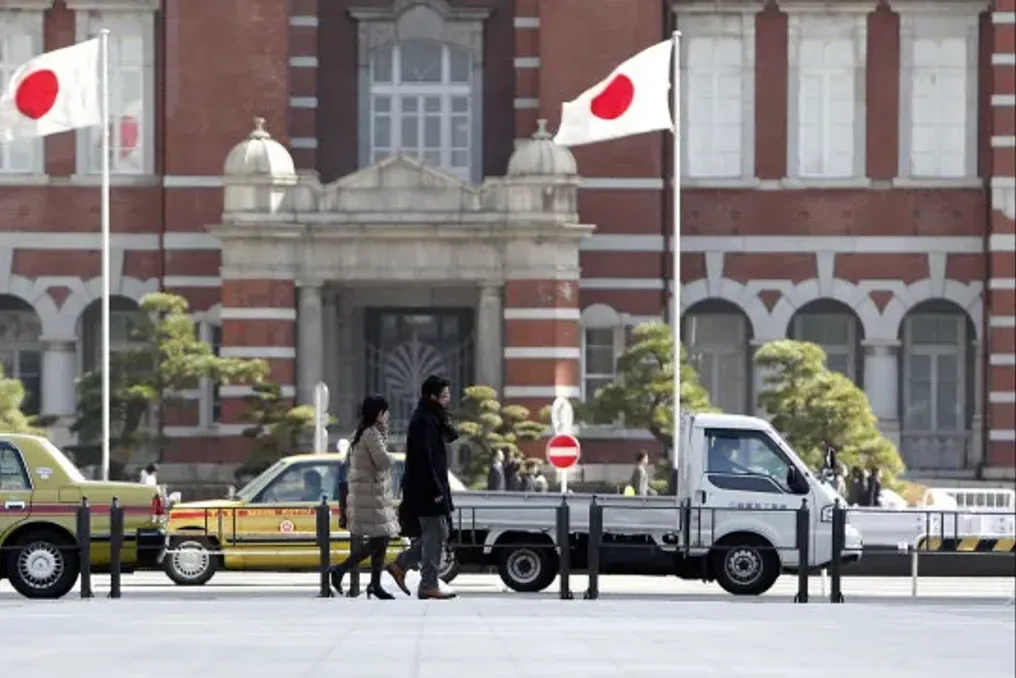
Japan is considering raising its defense spending to 3.5% of Gross Domestic Product (GDP), responding to pressure from the administration of U.S. President Donald Trump, as well as other United States allies, to strengthen its defense capabilities and reduce dependence on American armed forces.
Unidentified sources informed Bloomberg that Japanese authorities have already indicated in meetings with their American counterparts a willingness to substantially increase military expenditures. Among the options analyzed is the possibility of following South Korea's example, aiming for 3.5% of GDP in ten years, although a lower target of 3% is also being considered.
Recently, Tokyo had already accelerated its defense spending to nearly 2% of GDP, anticipating two years ahead of the original schedule, after decades where there was an informal limit of 1%. A new five-year strategy is expected to be presented by the end of this year.
This news generated an immediate reaction in financial markets. Japanese government bonds continued to fall, causing the yield on the ten-year bond to reach its highest level since 1996, while the yen depreciated to 154.91 per dollar.
Analysts warn that reaching the 3.5% target would require doubling the current budget, totaling 24 trillion yen (equivalent to 150 billion euros), which could demand significant public debt issuance. Daisuke Aiba of Iwai Cosmo Securities, cited by Bloomberg, observed that 'there are fiscal concerns, as shown by the reaction of the bond market.'
Currently, the defense budget and related expenses for the current fiscal year amount to 10.6 trillion yen (58.5 billion euros), corresponding to 1.9% of the nominal GDP of 2022. Although the budgetary request for the next fiscal year is 8.9 trillion yen (49 billion euros), many items do not yet have projected costs, which could raise the final value.
Despite these reservations, Takaichi has advocated for a 'fundamental' strengthening of military capabilities, parallel to fostering an ambitious economic growth plan until 2040, which foresees public and private investments amounting to 370 trillion yen (2.1 billion euros).
According to experts, even if Japan manages to reach 3.5%, its spending will remain relatively smaller compared to NATO countries, which, in addition to the minimum defense spending, have committed an additional 1.5% of GDP in related areas, such as the protection of vital infrastructure.