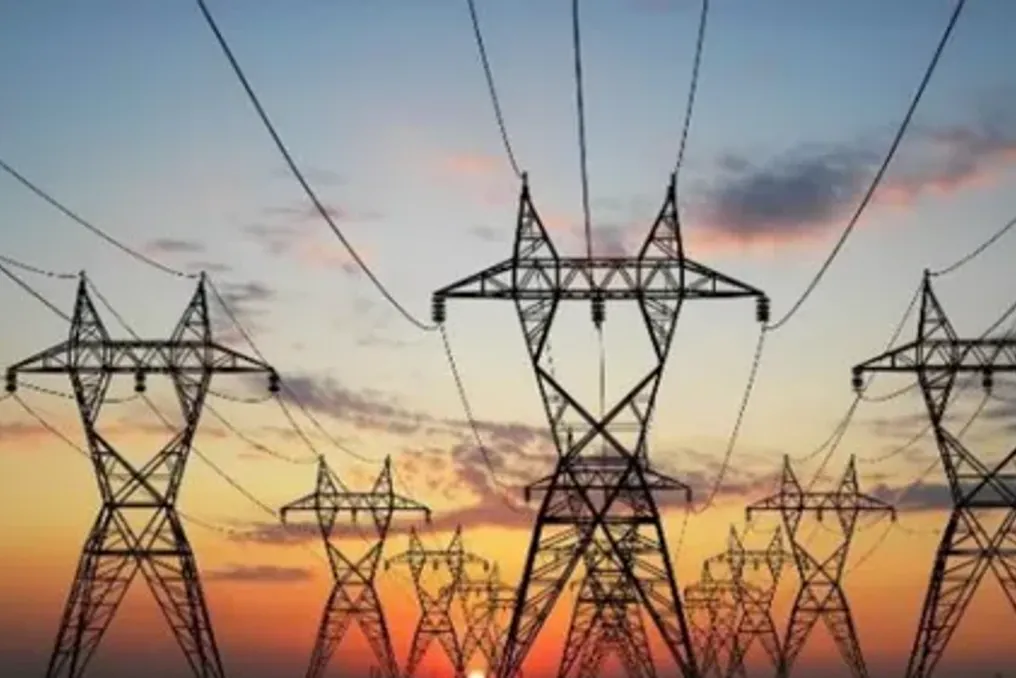
The restructuring of South Africa's Eskom is reaching a critical stage, with the government betting on creating an independent transmission operator to enhance competition and the reliability of the energy system; however, the promise of cheaper and more stable electricity is not guaranteed.
Questions remain open regarding who will ultimately bear the costs of the separation, and regulators, union representatives, businesses, and energy experts disagree on what consumers can expect.
At the heart of this restructuring is the proposed separation of the transmission function from Eskom and the establishment of an independent Transmission System Operator (TSO). The government has stated that this reform aims to improve energy security, promote greater competition among power producers, and create a more transparent electricity market.
The restructuring also faces strong resistance from the National Union of Mineworkers (NUM), which argues that the split is a step towards the privatization of Eskom.
The South African National Energy Regulator (NERSA) cautioned against assuming that the restructuring automatically means cheaper electricity. Charles Khlebela, NERSA's Head of Communications, noted that separating generation, transmission, and distribution may improve transparency and ensure more independent system operation and non-discriminatory network access.
He emphasized: 'Restructuring does not automatically lead to tariff reductions.' Khlebela added that any impact on tariffs will depend on the efficient costs approved by NERSA for each licensed activity, as well as the implementation of broader market reforms.
For consumers, NERSA reported that there is a regulatory barrier preventing the simple passing of restructuring costs onto households and businesses. Proposed compensation costs through tariffs must be presented to the regulator, who will assess whether they are 'reasonable, efficient, necessary, and appropriately distributed,' while protecting against cross-subsidization and double recovery.
Khlebela stated that benefits in terms of affordability 'cannot be assumed or guaranteed,' and it is premature to set precise timelines for when consumers will see benefits.
Khangela Baloyi from NUM expressed disagreement with the separation. He stated: 'We still believe that the separation is a neoliberal project aimed at transferring ownership of state-owned Eskom to the private sector.' The union warned that transferring assets of NTCSA (National Transmission Company of South Africa) to an independent TSO could undermine Eskom's financial sustainability and jeopardize jobs. Baloyi added: 'The creation of an independent TSO will have a devastating impact on workers. Workers may lose their jobs.'
NUM demands that the government halt the transfer of NTCSA assets and keep the energy sector under state control. The union has also filed a lawsuit, claiming that the process threatens state ownership of the energy sector.
Meanwhile, the government insists that the restructuring is designed to protect the energy system. Minister of Energy and Electricity Kgosiyenso Ramokgopa recently told Parliament that the separation is a central element of the department's reform program and is being implemented in a way that strengthens, rather than undermines, reliability and energy security.
Ramokgopa noted: 'Improving generation performance remains the main guarantee against power outages.' President Cyril Ramaphosa supported the Phase I report of the Eskom Restructuring Task Team in July, paving the way for work on creating an independent TSO separate from Eskom.
The Business Leaders of South Africa (BLSA) supported the reform but stressed that the process must ensure the protection of Eskom's finances. In a joint statement with Eskom, both organizations stated that they 'fully support the government's electricity sector reform program,' including the work of the Eskom Restructuring Task Team and the ongoing Phase 2 process.
These organizations support the creation of an independent TSO with transmission assets but believe it should be implemented through a carefully structured process that 'ensures Eskom's financial sustainability, respects creditors' rights, and protects national energy security.' The statement added: 'We view successful reform and a financially sustainable Eskom as complementary, not competing goals.'
Energy analyst from Jaltech and member of the Board of Directors of the South African Independent Power Producers Association (SAIPPA), Matthew Cruz, believes that consumers should not expect immediate relief on electricity bills, as the benefits of increased competition are likely to materialize only after several years. Cruz stated: 'I would not expect a quick drop in electricity bills. Consumers are likely to face further increases before all the benefits of competition are realized.'
He noted that a more realistic expectation is that the reforms will make electricity cheaper than it would otherwise be, rather than leading to an immediate tariff reduction. Cruz also pointed out that the handling of Eskom's assets, liabilities, and debt will be one of the most critical financial risks during the restructuring. He emphasized: 'You cannot simply transfer a large revenue-generating asset from Eskom while leaving behind all the associated debt and liabilities.'
He concluded that the allocation of assets, liabilities, and debt must be carefully structured to ensure that Eskom does not end up in a worse financial position.
Energy expert Professor Samson Mampfeli believes that the new structure could ultimately benefit households and businesses by introducing greater competition into the wholesale electricity market. He stated: 'The independent TSO will manage South Africa's wholesale electricity market, which will be based on competition among power producers, leading to low-cost electricity or, at least, stabilizing the price to avoid double-digit growth.'
Mampfeli noted that electricity prices could eventually fall, but warned that the restructuring could create a serious financial problem for Eskom if the transfer of transmission assets occurs without compensation. He added: 'Eskom will definitely lose its base of regulated assets, which must be compensated by equity injection.'