Financial strain causes stress among South Africans despite growing financial well-being
Read more
IOL
iol.co.za

Financial strain causes stress among South Africans despite growing financial well-being

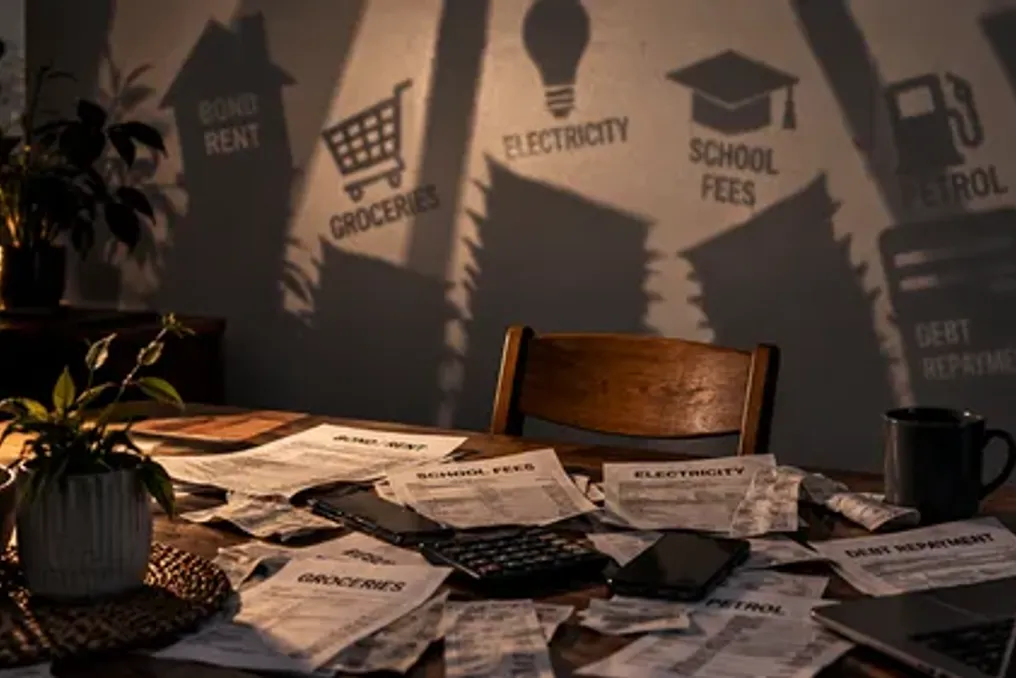
A person's financial state is determined not only by their income or savings, but also by how they perceive, feel, and communicate about money. Financial problems cause anxiety among residents of South Africa, affecting their family life and mental health; however, more than a quarter of respondents continue to avoid discussing financial matters.

According to the latest Nedbank Financial Health Index (NedFinHealth Index), over half of respondents, specifically 51%, cited monetary or financial issues as the main source of stress in their lives. The consequences of this stress extend beyond the bank account: 46% of respondents noted a high or moderate impact of financial strain on mental health, 45% on family life, 43% on sleep, and 42% on self-esteem. Other studies indicate that pressure has intensified this year.

Impact on Life

The Money-Stress Tracker study by DebtBusters, which involved nearly 18,000 people in May and June, showed that 72% of people experience financial stress, higher than the previous year's figure of 70%. Among those facing financial difficulties, 92% reported that it affects their home life, and 75% report it affects their health. The proportion of debt in household income is rising: more than half of DebtBusters respondents, specifically 53%, spent over 40% of their net income on debt repayment, compared to 48% last year.

Nevertheless, the Nedbank study found that over 40% of South Africans still avoid talking about money. Among those who are hesitant to discuss their finances, 44% consider money a private matter, and 43% say they do not have enough funds for such a conversation. Approximately one-third, or 31%, does not want anyone to know about their debts, and 27% note that their family usually does not discuss financial matters.

Open Conversation

Khonsani Nobanda, Marketing Director at Nedbank, states that money influences people's well-being, relationships, and daily choices, yet it remains one of the most difficult topics to discuss among many South Africans. She emphasizes that 'more constructive conversations about money can lead to better mental health, stronger relationships, and improved financial outcomes.'

Signs of improvement in financial management among South Africans are visible: the overall Nedbank financial health score rose to 56.4 in 2025 from 54.8 in 2024, continuing a three-year growth trend. Furthermore, shame associated with asking for financial help decreased by 17.8% compared to 2024.

Uncertainty About the Future

However, confidence in the future has not improved. The level of confidence in achieving long-term financial goals remained virtually unchanged—44.5 in 2025 versus 44.9 in 2024, while the financial planning score dropped to 57.2 from 57.6. Nobanda concludes that financial well-being is shaped not only by how much people earn or save, but also by how they think, feel, and talk about money. She adds: 'The healthiest financial relationships are not those where people never experience difficulties; they are those where people talk, check in with each other, and ask for support before small problems turn into crises.'

Similar stories

How Mama Money transformed monthly remittances into daily financial support in South Africa
Read more
iol.co.za

How Mama Money transformed monthly remittances into daily financial support in South Africa

For a long time, life in the bustling urban areas and settlements of South Africa was associated with constant risk. For millions of workers crossing borders, asylum seekers, and low-income residents of South Africa, financial activities depended on cash. Carrying thick envelopes of banknotes home from work, avoiding long queues at traditional banks, and making risky trips around the city to buy groceries or send money to loved ones was commonplace.

Formal banks, with their high monthly fees, strict documentation requirements, and rigid conditions, seemed distant. Ten years ago, Mama Money entered this niche with one main goal: to make sending money home safe, accessible, and affordable, using only a phone and a residence permit or passport.

Today, that initial money transfer operation has evolved into something much bigger. Mama Money has evolved from a cross-border transfer service into a full-fledged partner for everyday banking services, providing thousands of people in South Africa with what traditional banks denied them for a long time: dignity, control, and financial freedom in daily life.

From Pocket Money to Daily Life Confidence

The real shift is not just due to technology, but in the daily lives of users. These people are achieving significant success in their lives. Instead of hiding cash under the mattress or transporting salary envelopes through busy taxi markets, customers now use the Mama Money card, developed in collaboration with Bank Zero. What used to be a one-time monthly task has become part of the daily financial process.

Today, a street food vendor in Yeoville or a hospitality worker in Cape Town can receive their salary directly into an account. They can pay for groceries at a local supermarket, purchase electricity and mobile airtime in seconds, keeping their money safe from theft or loss.

By processing hundreds of millions of funds monthly across nearly 100 destinations and serving about 90,000 clients using digital wallets and card services, Mama Money demonstrates that by removing unnecessary barriers, people do not just participate in the economy—they thrive in it.

A Community Engine

This transformation is happening not only within the app but also at major economic hubs, busy streets, and small settlements. Across South Africa, the platform relies on a network of approximately 2,000 local agent entrepreneurs. These agents, many of whom are small business owners themselves, not only help new customers register; they earn a sustainable income, thereby stimulating micro-entrepreneurship directly within local communities. It is an ecosystem created by the community for the community.

To mark this growth and pay tribute to the people who enable it, Mama Money recently launched the #MamaMakesItHappen campaign. Instead of focusing on corporate achievements, the initiative highlights the customers. It celebrates the tangible, human successes made possible by financial inclusion. This could be paying for a child's school fees, expanding a spa shop, building a family home, or simply the peace of mind from safely using a card at a local counter.

The campaign will run until September 30, 2026, and allows customers to share their personal experiences through short videos, offering prizes totaling 250,000 Rand, including weekly cashback, smartphones, and five grand prizes of 10,000 Rand chosen by the public. (Customers can submit their stories by posting them on social media with the hashtag #MamaMakesItHappen and registering on the website www.mamamoney.co.za/promo).

The Next Decade of Belonging

Ten years ago, the task was helping people send money out. Today, Mama Money helps people build a life here. By listening to the daily needs of foreign nationals and undocumented residents, the fintech platform has changed the perception of financial inclusion in South Africa. It is no longer just about sending money home. Mama Money is about giving people the ability to live, save, and achieve every day.

Mama Money states that it has expanded its scope from cross-border money transfers to salary payments, card expenses, and other daily financial services for migrants and low-income clients in South Africa.

Popular