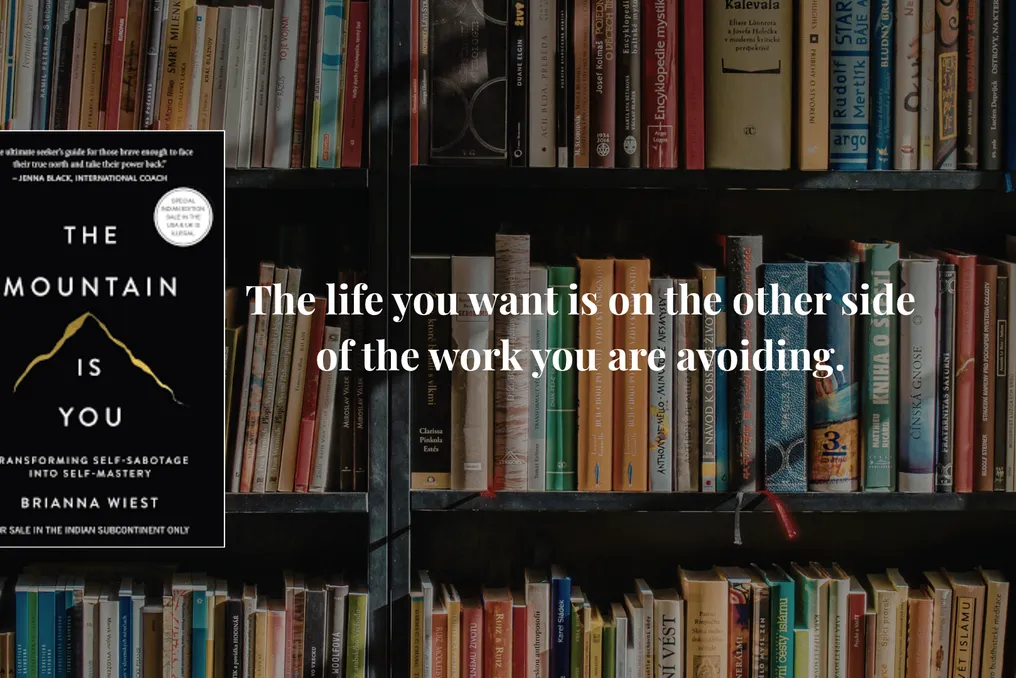
The phrase 'Yesterday I was smart, so I wanted to change the world. Today I am wise, so I change myself' reflects a deep truth that many only discover through life experience. In youth, people are often inclined to believe that the world's problems exist outside of themselves. They notice flaws in society, mistakes made by others, and unfair circumstances, assuming that life would be better if people behaved differently or if the world changed.
However, as experience accumulates, a person begins to understand something deeper: genuine and long-term changes usually originate internally. Wisdom teaches that although we cannot control the external world, we possess the power to transform ourselves. This shift in worldview is a sign of maturity, self-awareness, and personal development, not capitulation.
Young people are often driven by a desire to fix everything around them. They strive to eliminate injustices, influence others, and transform society according to their ideals. While this desire is not necessarily wrong, it often stems from passion, hope, and a sincere wish to improve the world.
Nevertheless, youthful overconfidence can sometimes ignore the full complexity of human nature. It is much easier to find faults in others than to admit one's own weaknesses. This quote implies that intelligence can help see external problems, whereas wisdom helps look at oneself more clearly.
Self-awareness is one of the most important qualities a person can develop. It includes understanding one's own thoughts, emotions, habits, strengths, and weaknesses. Instead of focusing entirely on changing others, wise individuals analyze their own behavior and ask themselves important questions such as: 'Do my actions align with my values?', 'How do I react to difficulties?', or 'What habits are holding me back?' These questions contribute to significant growth because they focus on what is within our real control.
The inward journey often proves more difficult than attempts to change the external world. It requires honesty, humility, and a willingness to face unpleasant truths. Many underestimate the impact of personal transformation, believing that changing oneself is a minor achievement compared to changing society. In reality, personal growth can have far-reaching consequences.
A person who becomes more patient improves their relationships. One who develops discipline achieves greater success. An individual who learns kindness influences everyone they meet. Small internal changes often lead to substantial external results.
When people perfect themselves, they naturally become an example for those around them. Their actions speak louder than any statements, inspiring change without coercion or persuasion. One reason why wisdom emphasizes self-change is that we have limited control over other people; we cannot force them to think, behave, or believe as we wish.
Focusing on personal development shifts the focus to what we can directly influence. Instead of being consumed by what others should do, we direct energy toward becoming better ourselves. This approach is more practical and effective. Changing oneself does not mean withdrawing from the world; in many cases, it is the first step toward making a meaningful contribution.
History is full of examples of people whose personal transformation has influenced entire communities. Leaders who cultivated integrity gained trust. Teachers who developed wisdom inspired generations. Activists practicing self-discipline supported movements for change. Their impact began with their own character; before they could change the world around them, they worked on changing themselves.
The quote highlights an important distinction between intellect and wisdom. Intellect often concentrates on knowledge and intelligence, while wisdom encompasses humility and self-understanding. Wise people recognize their imperfection and constant capacity for learning. Instead of assuming they know all the answers, they remain open to growth. This humility allows them to adapt, improve, and build stronger connections with others.
The more people learn about themselves, the clearer they understand how much more they have yet to learn. One of the most powerful lessons in this quote is that personal transformation can serve as a form of leadership. People are more willing to follow an example than instructions. If we want a kinder world, we can practice kindness; if we want honesty, we can be honest; if we want compassion, we can show compassion. By embodying the values we wish to see in society, we contribute to positive change in a meaningful way.
World transformation often begins with the transformation of individuals. The phrase 'Yesterday I was smart, so I wanted to change the world. Today I am wise, so I change myself' serves as a reminder that true growth starts within. While it is natural to wish to improve the surrounding world, wisdom teaches that our greatest influence comes from personal transformation. By developing self-awareness, embracing humility, and focusing on our own growth, we become better prepared for positive participation in society. Ultimately, changing oneself is not a lesser goal than changing the world; perhaps it is precisely what makes changing the world possible.