According to the latest report from the World Health Organization (WHO) on the multinational mpox outbreak, recently released, Angola ranks second among African countries in terms of recent cases. The country was surpassed only by Madagascar, which recorded 785 cases in the analyzed period, ahead of Kenya (94), Democratic Republic of the Congo (41), and Cameroon (28), covering the period from July 6 to August 16.
The WHO pointed out that although sporadic cases had been detected at the end of 2024 and during 2025, there was a sharp increase in the number of notifications starting from mid-May 2026. Of the 21 provinces, eight (38%) reported confirmed cases since 2024, with Cabinda and Eastern Moxico concentrating all cases since the start of the outbreak in April 2026.
Specifically, Cabinda registered 193 of the 274 confirmed cases, representing approximately 70% of the total. The organization warned that Cabinda, being separated from the rest of Angolan territory by a strip of land belonging to the Democratic Republic of the Congo (DRCongo), constitutes a considerable risk of cross-border dissemination.
In demographic terms, the most affected group is young adults between 20 and 29 years old, accounting for 53% of confirmed cases. Additionally, 56% of infections were identified in women and girls.
The WHO also recalled that Angolan authorities are implementing various response measures, including the review and activation of the national response plan, as well as the mobilization of rapid response teams at national and provincial levels.
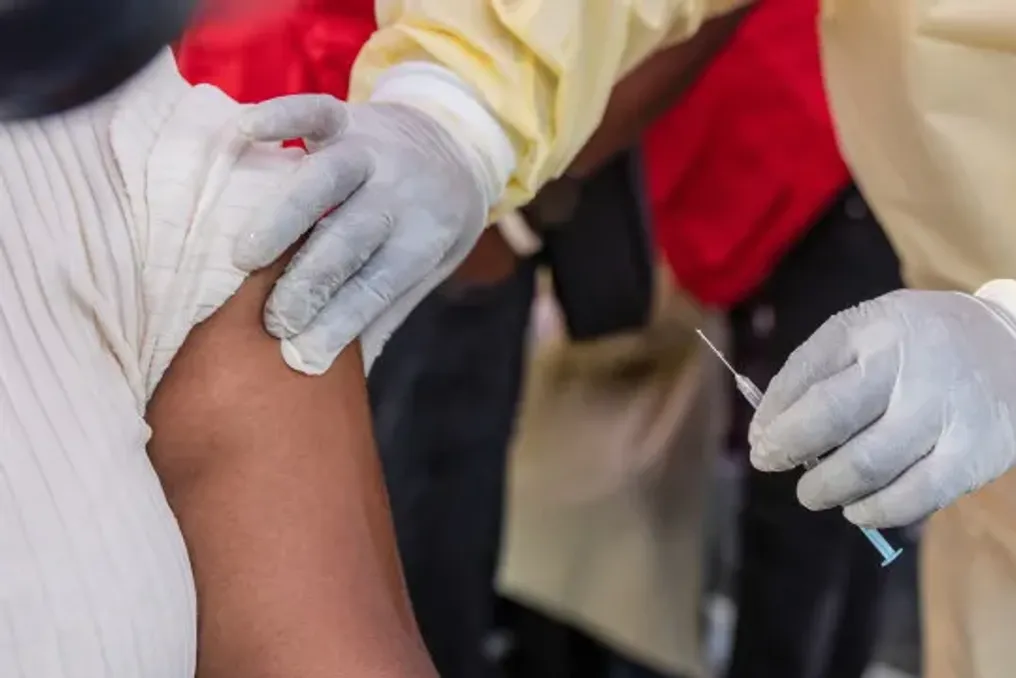
Authorities also reinforced active case finding in transmission areas, contact monitoring and follow-up, community awareness, and vaccination of health professionals and contacts in municipalities with the highest potential for spread.
Regarding Guinea-Bissau, the WHO counted seven confirmed mpox cases without deaths up to August 16, after the first case was confirmed on June 26. 47 suspected cases were investigated, resulting in six positive cases, raising the total of confirmed infections to seven. All cases were registered in Bissau and its surroundings, and genomic analyses identified the circulation of clade IIb of the mpox virus.
The WHO emphasized that response measures are underway in Guinea-Bissau, such as activating the Incident Management System, case investigation, contact tracing, case management, risk communication, and community engagement. Finally, mpox is described as an infectious disease caused by the monkeypox virus, whose symptoms can include fever, headaches, muscle and joint pain, swollen lymph nodes, and skin or mucous membrane lesions, presenting as spots, blisters, and sores.