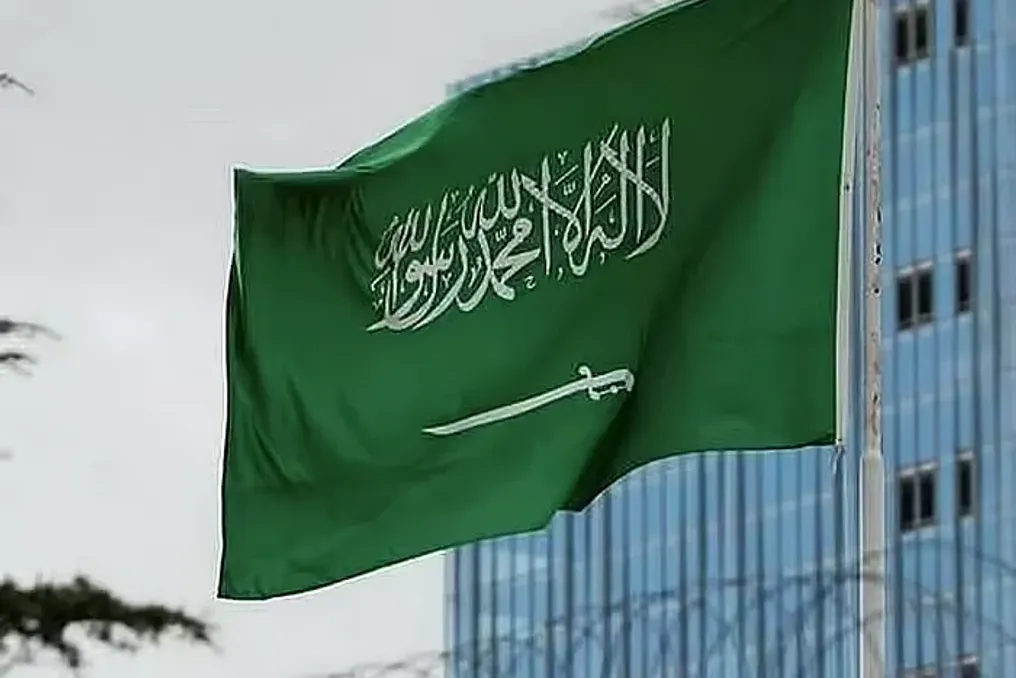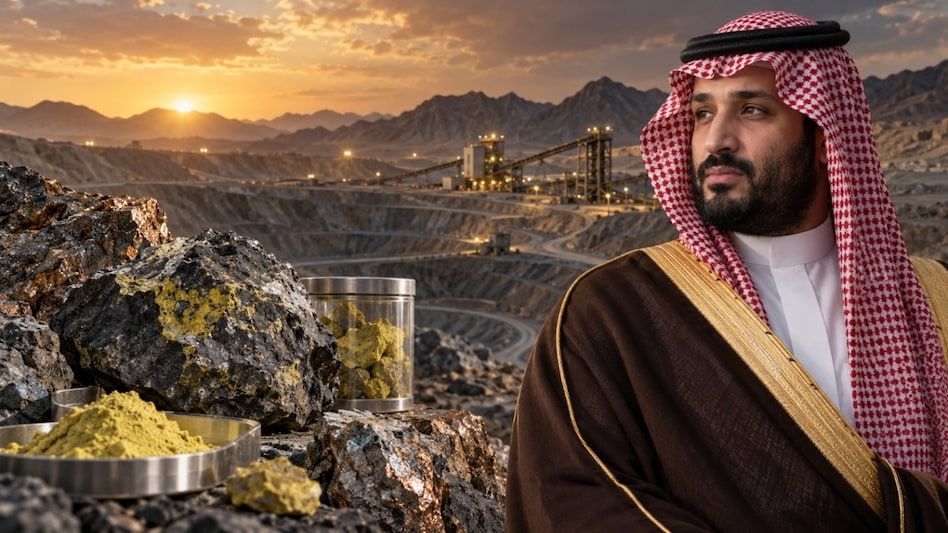
Saudi Arabia has announced the discovery of extensive reserves of raw materials containing uranium and rare minerals in Medina. According to Saudi Arabian Energy Minister Prince Abdulaziz bin Salman, geological surveys conducted in the Jabal Sayid project in Medina allowed for an estimate of approximately 110 million tons of ore.
These reserves are presumed to contain uranium, as well as a high concentration of rare earth elements. According to Arab News, these studies revealed about 110 million tons of mineral resources, among which a high concentration of heavy rare earth elements and a promising concentration of uranium were noted. It is emphasized that this refers not to obtaining 110 million tons of pure uranium, but to the total volume of mineral resources containing uranium and rare earth elements.
The discovery in Medina holds particular significance because this city is one of the holiest in Islam. This is where the Prophet Muhammad performed the Hijra from Mecca in 622 AD, after which Medina became a key center of the early Islamic community. Thus, the discovery of strategically important mineral resources in this area has attracted international attention, especially amid tensions in the Middle East region concerning security and nuclear programs.
Saudi Arabia traditionally plays an important role in the balance of regional power. While the US and Israel express concern over Iran's nuclear program, Iran insists that its nuclear activities are exclusively peaceful and civilian in nature.
This discovery of uranium and rare earth minerals also aligns with Saudi Arabia's Vision 2030 strategy. Seeking to move away from dependence on oil, one of the world's leading oil-producing countries, Saudi Arabia is increasing investments in sectors such as mining, renewable energy, and civil nuclear energy. The country is actively working on finding and potentially utilizing its own uranium resources.
The potential of uranium in Medina is important as Saudi Arabia advances in developing civil nuclear energy. Negotiations and cooperation agreements are also underway between the US and Saudi Arabia in this field. Uranium is a critically important raw material for nuclear energy production. However, it should be noted that obtaining natural ore does not directly lead to the creation of nuclear fuel; multi-stage processes such as processing, conversion, and enrichment are required after extraction.
Furthermore, rare earth elements are considered indispensable for the modern economy as they are used in the production of electronics, electric vehicles, wind energy, defense systems, and other high-tech industries. Consequently, if the resources found in the Medina area prove to be commercially viable, this discovery could be significant both for Saudi Arabia's energy security and its mineral industry strategy.