Few people have heard of the small town of Valwater. However, those concerned with ecology are likely to know more about it than most. Perhaps they simply remember stopping there to refuel.
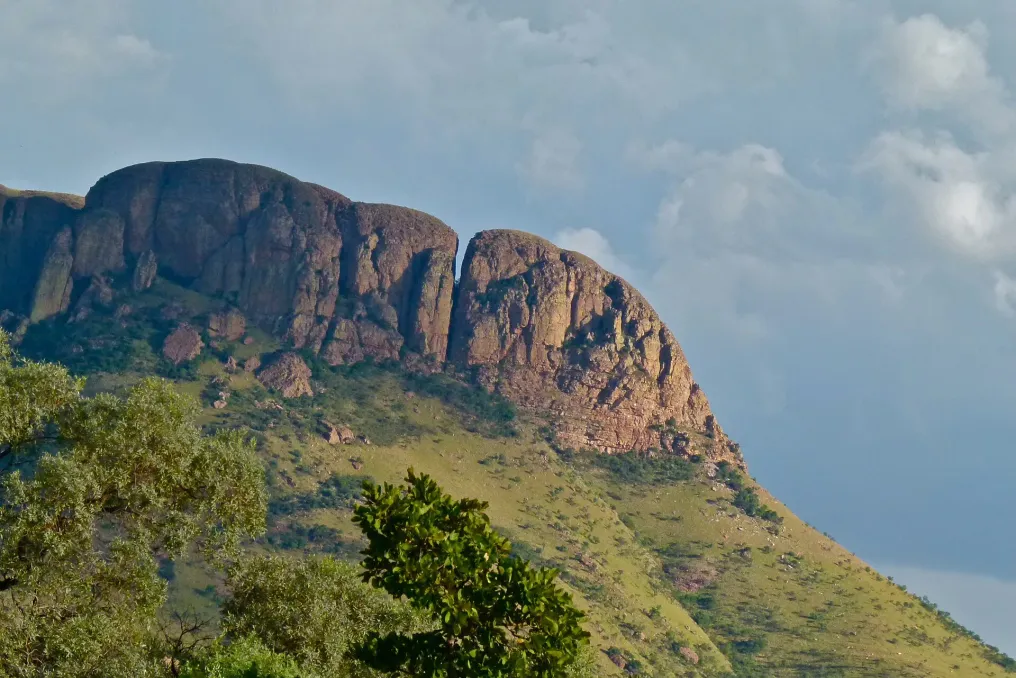
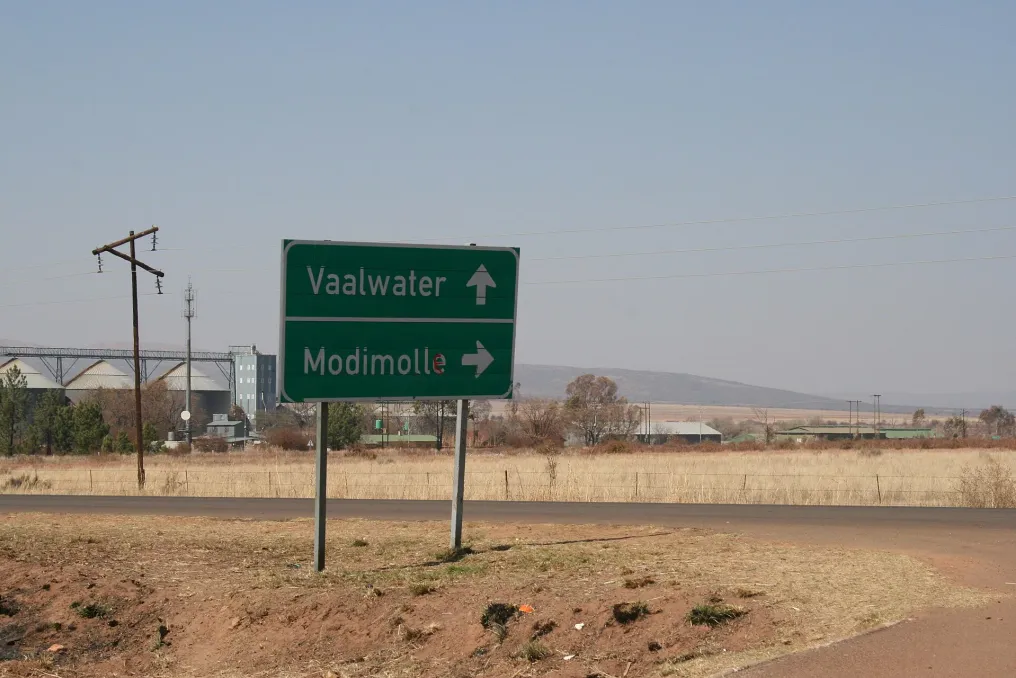
This town in Limpopo is situated along the R517 road between Modimolle and Lefalale, surrounded by sandstone hills, bushveld, and the vast expanses of the Waterberg. For many travelers, it is merely a stopover point to eat and refuel before proceeding further.
Nevertheless, Valwater is more than just a roadside stop; it lies at the heart of one of South Africa's significant conservation landscapes and has quietly become an economic hub for the Waterberg Biosphere Reserve.
The paradox is that the town itself seems very far removed from the polished safari experience found beyond its borders. There are no majestic lodge entrances or private safari vehicles in central Valwater. Instead, there are ordinary shops, service providers, and people going about their daily lives.
The Waterberg was not always the wildlife destination it is today. Agriculture played a vital role in the region's economy, as livestock farming and crop cultivation formed much of the landscape. Along the Mokolo River, sandy soils facilitated tobacco cultivation, making Valwater one of the country's major tobacco-growing areas.
Beginning in the 1980s, this landscape began to change as private conservation and wildlife farming gained momentum. Landowners increasingly started converting agricultural land into wildlife habitats, driven by both conservation interests and the growing commercial potential of wildlife and tourism.
The result of this process is visible throughout the Waterberg today. Former agricultural lands have been incorporated into private wildlife ranches, private reserves, and ecotourism sites, helping to transform the region into one of Limpopo's most renowned safari landscapes. Valwater finds itself right in the middle of all this.
In 2001, the Waterberg was declared a UNESCO Biosphere Reserve. The reserve covers approximately 654,033 hectares and includes core areas, buffer zones, and transition zones where people live and work. It is also an important water catchment area for the region, and its landscape, composed of low mountain ranges, escarpments, and savanna, supports a rich diversity of flora and fauna.
A Biosphere Reserve is not just a large fenced-off wilderness area, unlike a national park. The concept is to balance nature conservation with human activities, including agriculture, tourism, and the needs of local communities. This distinction is crucial precisely here.
Valwater is located within this broader landscape as a rural service center, connecting the people who live and work in the area with the farms, reserves, and tourism enterprises outside the town. Tourists usually encounter the Waterberg through a lodge or reserve, but the people working in this tourism economy—supplying it and moving through it—need the town.
Some of the most famous conservation sites in the Waterberg are within reach of Valwater. Lapalala Wilderness originated as a conservation project started in 1981 by businessman and farmer Dale Parker and ecologist and artist Clive Walker. Their goal was to create a wildlife area in the Waterberg, and Parker gradually amalgamated adjacent parcels to form the reserve.
Since then, this reserve has become one of the largest private conservation areas in the Waterberg. Its activities extend beyond wildlife tourism, including habitat preservation programs, research, and species such as rhinos, predators, African wild dogs, pangolins, and leopards.
There is also the Velgevonden Wildlife Reserve, another large private conservation area in the Waterberg Biosphere. The reserve was established in 1993 by consolidating several private farms, with internal fences being removed to create a larger, continuous wildlife area. Today, it spans about 37,000 hectares.
Together with sites like Lapalala and the nearby Marakele National Park, reserves like this are part of a wider conservation landscape that has turned the Waterberg into a safari destination. You don't necessarily see any of this while sitting in Valwater, and that is the essence of it.
Valwater's role is less glamorous, but perhaps no less important. The town serves as a practical link between the surrounding conservation sites and the wider region. For travelers, it represents a useful pause between the town and the bush.
It is a place to stock up on supplies before venturing into the Waterberg, and it underscores how closely intertwined tourism and everyday life are here. The same roads that visitors take to private reserves are used by people commuting to work, school, shops, and services. These relationships matter because conservation does not happen in isolation.
The Waterberg Biosphere is a landscape where protected areas, private holdings, farms, and communities exist side by side. UNESCO describes the region as a water catchment for the otherwise arid part of Limpopo, and its biosphere model aims to allow people and conservation to coexist within the same broad landscape.
The transformation of the Waterberg has undoubtedly created a remarkable conservation landscape, but it has not been without challenges. Studies conducted around Valwater have revealed tensions related to land and water, including the contrast between private wildlife ventures and surrounding communities. One study showed that while wildlife farms benefited from regional water resources, residents of Valwater and neighboring communities faced water scarcity.
This does not negate the achievements in regional conservation. However, it calls into question the notion that conservation automatically benefits everyone living around it. The Waterberg is a working landscape. People farm, run businesses, work in tourism, raise families, and depend on the same natural resources that sustain the wildlife and lodges attracting visitors to the area.
It is an important reminder that the story behind a conservation site is rarely as simple as what you see from a safari vehicle.
Valwater is easily overlooked because it is unglamorous. There are no glossy lodge signs announcing your arrival at a special place. Nor are there herds of elephants waiting by the main road. Instead, the town quietly sits in the middle of the Waterberg, performing the routine work of sustaining the rural community. Outside the town, agricultural land has become wildlife habitat, private reserves have expanded, and tourism has become one of the forces shaping the region.
Next time you drive through Valwater on your way to the bush, slow down. Because the story of the Waterberg's conservation boom is written not only within its reserves. Part of it is written in this small town too.