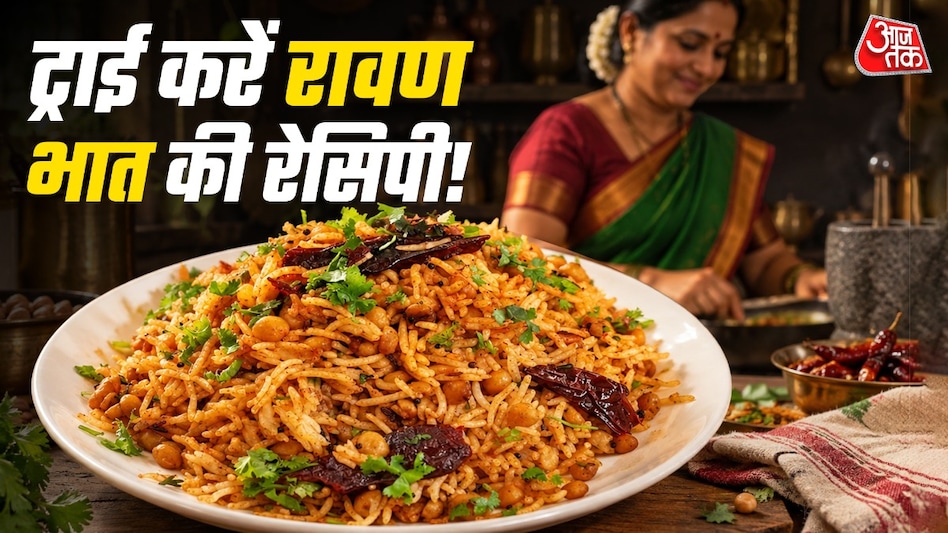
Maharashtrian Ravaan Bhat Recipe: A Tasty Alternative to Pilaf and Biryani Without Onion and Garlic
Read more
Aaj Tak
www.aajtak.in

Maharashtrian Ravaan Bhat Recipe: A Tasty Alternative to Pilaf and Biryani Without Onion and Garlic

If you are looking for a dish that differs from traditional pilafs and biryanis, you can prepare Maharashtrian Ravaan Bhat. This cooking method does not require much time and will appeal to both children and the elderly. To make Ravaan Bhat, not only rice but also chickpeas (chana dal) are used.

Maharashtrian Ravaan Bhat Recipe

Although dishes like pilaf, biryani, and tahri made from rice are familiar to many, here is a new and quick recipe that will turn out very appetizing. When you do not feel like cooking vegetable dishes or curries with bread and vegetables, you can try this Maharashtrian bhat recipe.

In the city of Kolapur, Maharashtra, a dish is prepared that perhaps few people in the country know about. It is called Ravaan Bhat. Although the name brings associations with Ravana from the Ramayana epic, the specialty of this dish lies not only in its name but also in its unique, spicy taste. The main feature of Ravaan Bhat is that neither onion nor garlic is added to it. Its true flavor is given by dried red chili, peanuts, chickpeas, dried coconut, ginger, and asafoetida.

We present a simple way to prepare Ravaan Bhat. First, the chickpeas should be thoroughly washed and soaked in water for about two to three hours. After that, the excess water is drained.

After soaking the chickpeas, heat water in a pot and add the washed rice for cooking. Since pre-cooked rice is used, leftovers can also be used.

Preparing the Base

Next, heat oil in a pan and let the mustard seeds sizzle. Then add cumin. When the cumin starts sizzling, add dried red chili, curry leaves, and red chili powder, frying for just a few seconds.

Next, add the soaked chickpeas and salt to taste to the pan, stirring all ingredients thoroughly. Cover the pan and cook over medium heat for about ten minutes until the chickpeas become soft.

When the chickpeas are soft, mix in the ginger juice and finely chopped fresh coriander. If a sour taste is undesirable, ginger can be omitted.

Then, place the cooked rice in a large bowl and add the cooked chickpea mixture. Gently mix both components, taking care not to break the rice. The rice and chickpeas are placed back on the stove under a lid for a while for final cooking.

Finally, Ravaan Bhat is garnished with fresh coriander and served hot. It can be eaten on its own or supplemented with finely chopped onion, fried peanuts, or cashews.

Similar stories

How to make savory beetroot rice with garlic and ginger that everyone will love
Read more
www.aajtak.in

How to make savory beetroot rice with garlic and ginger that everyone will love

Beets are considered very healthy because they are rich in iron, fiber, and antioxidants. However, due to their tart and slightly sweet taste, children and the elderly often do not like eating them as a salad or juice.

If people in your household are reluctant to eat beets, try making savory beetroot rice with garlic and ginger instead of regular rice for lunch. The beautiful dark pink color, combined with the spicy and pungent flavor of garlic and ginger, completely masks the tartness of the beets, making the dish appealing to everyone.

To prepare, you will need:

  • Cooked/ready rice (old or fresh) - 2 cups
  • Beetroot (grated) - 1 cup
  • Minced garlic - 1 tablespoon
  • Grated ginger - 1 tablespoon
  • Onion - 1 (finely chopped)
  • Chili - 2 (finely chopped)
  • Rai (mustard seeds) - 1 teaspoon
  • Urad and chana dal - 1/2 - 1/2 teaspoon (for crunch)
  • Curry leaf - 8-10
  • Chestnuts (lightly roasted) - 8-10
  • Garam masala and pav bhaji masala - 1/2 - 1/2 teaspoon (for a spicy flavor)
  • Lemon juice - 1 tablespoon
  • Cilantro - finely chopped
  • Oil or ghee - 2 tablespoons
  • Salt - to taste

Heat oil or ghee in a pan. Add rai, urad dal, chana dal, chestnuts, and curry leaves, frying until lightly golden brown. Then add the minced garlic, grated ginger, and chili. Sauté for one minute to remove the raw taste of the garlic and develop a pleasant aroma.

Next, add the chopped onion and fry over medium heat until it turns light pink. After this, stir in the grated beetroot and salt to taste. Cover the pan and cook over low heat for 3-4 minutes, until the beetroot is slightly tender.

Now add the garam masala and pav bhaji masala. This mixture enhances the sweetness of the beetroot, giving the rice a very pungent and spicy flavor. Then pour in the cooked rice into the pan and gently mix so that the beautiful color of the beetroot evenly coats the rice.

Cover the pan and steam over low heat for 2 minutes. Turn off the heat, add fresh lemon juice and chopped cilantro, then mix. Serve hot with raita or papad.

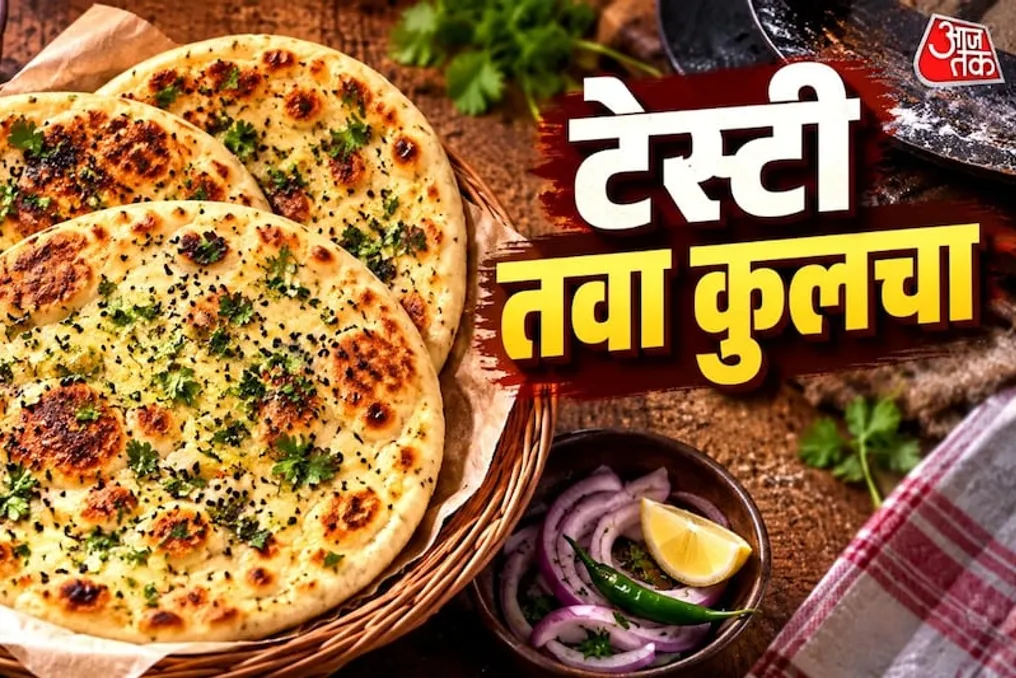
Recipe for soft Kubcha in Daba style on a frying pan
Read more
www.aajtak.in

Recipe for soft Kubcha in Daba style on a frying pan

If you want to cook something new and delicious for breakfast or lunch, you can try Tawa Kubcha. Its preparation requires flour, milk, yeast, and some other common ingredients. This kubcha, cooked on a frying pan, turns out slightly golden on the outside and soft inside.

If you are tired of eating roti and paratha every day and want to cook something special in the Daba style at home, Tawa Kubcha can be the best option. It has a golden, crispy appearance and an incredibly soft, cotton-like texture, making it very tasty. People often think that soft and fluffy kubchas can only be made in a tandoor, but by using the right method, you can achieve a restaurant-quality result on a regular home frying pan. It can be served with Amritsari Chhole, Chana Masala, or any other favorite vegetable dish.

First, mix the yeast and sugar in warm water and let it stand for 5 to 10 minutes. When foam appears on the surface, it means the yeast is ready. Then, add the flour, warm milk, and salt to this mixture, thoroughly mixing all components. This dough needs to be kneaded for about 5 minutes, then covered and left for some time. After that, the dough needs to be kneaded again until it becomes soft and pliable. Initially, the dough may seem a bit sticky, but after thorough kneading, it will become soft.

When kneading the dough, stretch and spread it without applying excessive pressure. Then, apply a little oil to the dough and cover it with a cloth to rise. Leave the dough until it has doubled in size. When the dough has risen and doubled, gently press it to release the air and knead it for another 1-2 minutes. After that, place the dough in the refrigerator for a while to allow it to rise slowly.

Next, take a piece of dough the size of a tennis ball and flatten it slightly. Dusting it with dry flour, roll it into a thick round or oval shape. Heat the frying pan and place the kubcha on it. Cover it and cook over medium or low heat. When bubbles appear on the top surface of the kubcha, flip it over. Brush it with oil on top and fry on both sides until golden spots appear. After it is well cooked on both sides, serve it hot.

Tawa Kubcha can be served with chhole, chana masala, yogurt, or any other favorite vegetable appetizer.

Popular