Lomé is a city located near the Atlantic Ocean. Fishing boats arrive along the coast, streets are filled with color thanks to the markets, and the aroma of fried fish drifts through the city. Simultaneously, modern art spaces, cafes, and cultural centers lend the capital of Togo a growing creative energy.
For a short urban getaway, Lomé offers diverse experiences. One can spend the morning among the vendors at Grand Marché, visit the former colonial palace converted into a cultural center, learn about traditional Vodun practices, and end the day by the ocean.
The journey should begin in the city center, at Grand Marché Lomé, also known as Adawlat Grand Market. This is one of the city's busiest trading zones, especially famous for its colorful wax-print fabrics. This market is closely linked to Nana Benz—influential Togolese women who successfully ran textile businesses across West Africa. Their history is part of Lomé's commercial history and gives the market a character that goes beyond simple souvenir shopping.
Allow yourself time to wander through the various sections. There you will find fabrics, clothing, food products, spices, and household items, where traders and buyers conduct their daily activities. The market operates throughout the week, although activity decreases on Sundays.
After visiting the market, take a break and try local cuisine. Pay attention to dishes like pâté, fufu, fried fish, and chicken served with spicy sauces and vegetables. Street food and small local restaurants are an excellent way to get to know the city without making every meal a formal event. Since the city is located on the coast, seafood is an obvious choice; fried fish is particularly suitable given that the fishing community of Lomé continues to play an important role in the city's daily life.
Next, head to Palais de Lomé, one of the city's most interesting cultural sites. The building was constructed in 1905 for the German governors of Togoland and later served as the presidential residence before becoming a guest house. After many years of neglect, it was renovated and reopened in 2019 as an art and cultural center. Today, the palace offers a completely different experience compared to the noisy markets of the city. Here, one can explore exhibitions, architecture, and gardens, and also take time to appreciate its location near the sea. It is also a vivid example of how Lomé transforms parts of its past into spaces for contemporary culture.
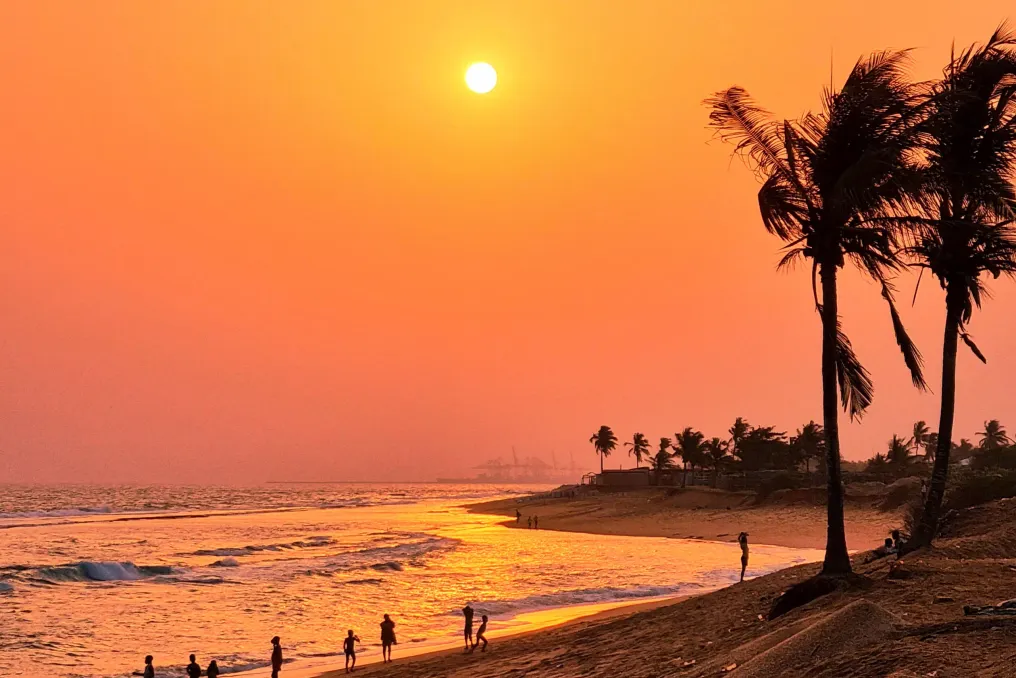
When the daytime heat subsides, head to the waterfront. Lomé stands out among West African capitals because its beach is so closely integrated into the city. The coastline is used for recreation, but it is also a working area where traditional fishermen pull up their nets and bring the catch ashore. You don't need a strict beach vacation plan; instead, just take a walk, observe the fishermen, and find a spot on the promenade to have a drink or an early dinner.
Start the second morning with one of Lomé's most unique cultural experiences—the Akodesséva fetish market. This market is connected to traditional medicine and Vodun practices, where stalls sell medicinal plants, ritual objects, and other materials used in traditional belief systems. It is one of the city's most famous cultural attractions. It is important to visit this place with respect. These traditions are living practices, not a performance for tourists, so ask permission before taking photos and consider going with someone who can explain the cultural significance of what you see. Visiting also adds an important dimension to the tour of Lomé: the city is not just beaches and markets; traditional beliefs remain part of daily life.
Spend the late morning walking through the central part of Lomé. The city presents a mix of Afro-Brazilian houses, colonial buildings, churches, and newer constructions. This combination gives parts of the center an architectural character noticeably different from many other West African capitals. Allocate time for Independence Square and other sights along the way. The National Museum and the Cathedral of Lomé are also among the established landmarks of the city. Instead of trying to see everything, allow yourself time for strolling and observing; the streets themselves are part of the experience.
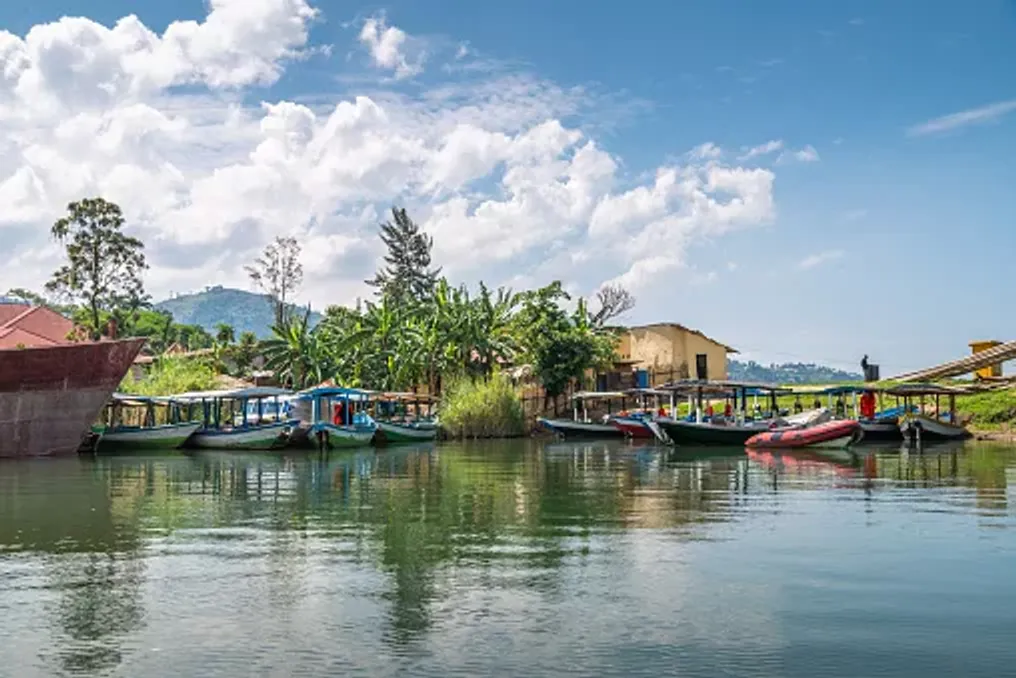
Continue towards the Lomé fishing port, where the city's connection to the Atlantic becomes particularly evident. Colorful canoes arrive with the catch, and fish sellers gather along the waterfront. The official tourism body describes the port as a place of daily activity, where fishermen return from the sea and women sell the catch. It should be remembered that this is a working port. Respect the fishermen and traders, ask permission to photograph people, and if possible, visit with a local guide who can explain what is happening around you.
If you want a quieter conclusion to your stay, move east from the main port towards Bagidy or Avepoz. These coastal areas are known for their well-maintained beaches, palm trees, and informal dining and relaxation spots. The Togolese tourism authority specifically recommends the beaches east of Lomé for a more relaxed seaside holiday. Order something fried while relaxing under a palm tree and let the day unfold slowly. Here, you won't need a complex itinerary; the goal is to enjoy that part of Lomé that is easily missed when rushing between attractions.
Lomé may not have the immediate recognition of Accra or Dakar, but that is part of its appeal. In just two days, you can transition from the textile stalls of Grand Marché to modern art, from traditional Vodun practices to the fishing port, and from bustling city streets to the Atlantic coast. It is a city best experienced at street level, where markets, food, traditions, and the ocean form a single picture. For travelers seeking a less obvious destination in West Africa, Lomé offers a compelling introduction to Togo.