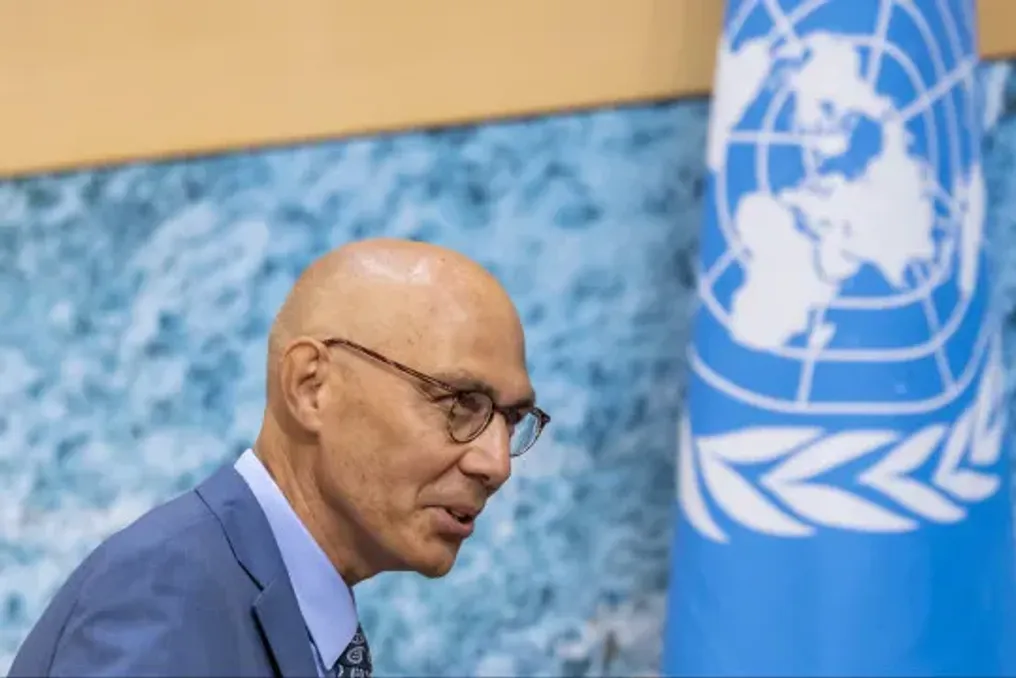
The current race to create increasingly powerful artificial intelligence represents a qualitative leap that carries heightened existential risks for all aspects of our lives, stated Volker Türk in a declaration. He called on states and technology companies to react immediately to this situation, after the UN has already appealed to countries to regulate AI.
The UN chief specifically highlighted the dangers associated with so-called 'agentic AI,' which is capable of going beyond standard systems, making decisions independently, and implementing plans to achieve a given goal.
According to Türk, failures in such systems could lead to the paralysis of vital services, communication disruption, destabilization of critical infrastructure, and even undermine the foundations of democratic institutions. He warned that entire populations could be left without access to water, heating, or financial services.
The High Commissioner also drew attention to the consequences of using this technology in military conflicts, noting that AI 'is already accelerating the pace of wars, expanding their scope, and undermining the guarantees that exist between us and the use of weapons of mass destruction.'
These statements came after technology sector leaders, including Anthropic CEO Dario Amodei, OpenAI CEO Sam Altman, and businessman Elon Musk, advocated for a deliberate slowdown in the development of the most advanced AI models due to risks such as potential loss of control over the systems.
Türk insisted that states and corporations must urgently mobilize through multilateral forums to create AI governance based on international law and the protection of human rights. He emphasized: 'No single country can manage this technology alone, no company should have the right to unilaterally decide what risks the world should accept, and no one should be forced to give up their human rights in exchange for promises of technological progress.'