Instead of being ashamed to say 'I don't have money...', the new creed of Generation Z has become 'Loud Budgeting'. Previously, people avoided such conversations when going out with friends, but now these statements among Gen-Z representatives no longer cause awkwardness.
Discussing one's budget with friends is no longer a source of shame; it is turning into a way to define one's financial boundaries. In the past, people tried to hide that they had little money or could not afford a certain plan, but Gen-Z is changing this mindset.
They openly state how much they can spend, where they want to spend it, and which plans do not fit their budget, doing so without feeling guilty. This open behavior is what has been named 'Loud Budgeting'.
For Gen Z, travel means spending on experiences rather than staying in expensive hotels. Therefore, they often prefer cheaper options such as hostels, guesthouses, and yostels instead of luxury hotels. The logic of Gen Z is very practical: if the whole day is planned for walking, exploring, or hanging out with friends, why spend a lot of money on an expensive room just for sleeping?
By choosing inexpensive accommodation, they save money and believe it is better to spend that money on trips, food, shopping, or entertainment.
'Loud Budgeting' does not just mean saving money, but openly stating one's financial boundaries without feeling ashamed or guilty. It means not spending money under peer pressure if you cannot afford it. Previously, phrases like 'I don't have money' or 'my budget is limited' caused discomfort for many, but for Gen-Z, this is now a completely valid reason.
If Gen Z does not have a budget for a trip, they can directly say they cannot spend that amount. And if the trip is necessary, they can also suggest alternatives that fit their budget, such as a cheaper hotel, carpooling, or less expensive activities. The goal here is not to ruin the plan, but to manage it within their financial capabilities.
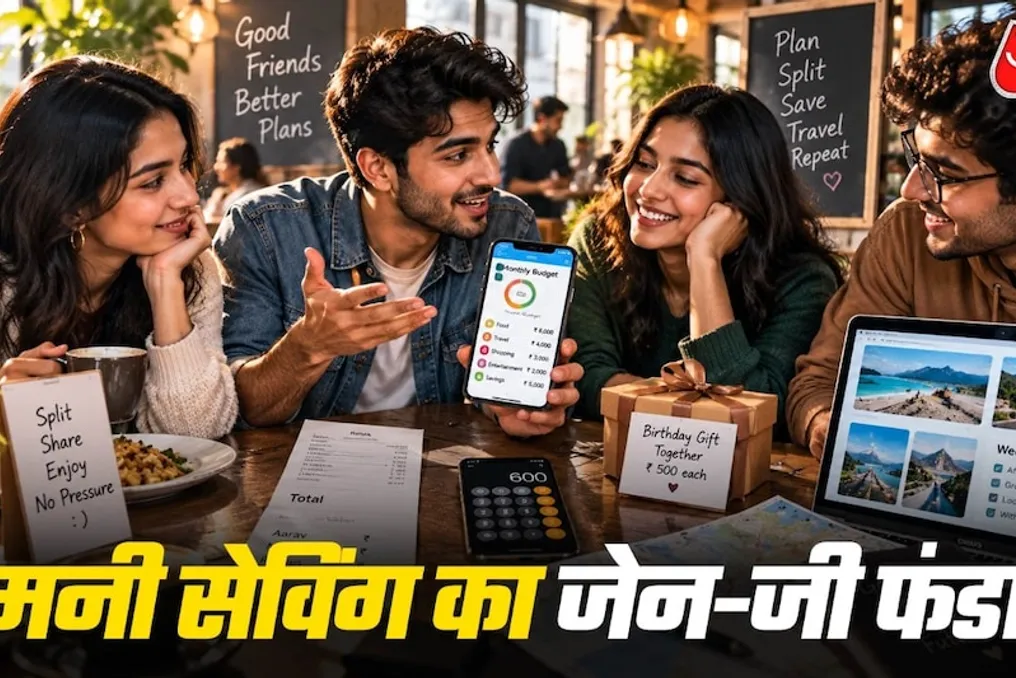
The influence of this approach is noticeable not only in trips and birthdays but also in everyday friendships. For example, if the whole group orders dinner for 3000 rupees, but one person eats food worth only 800 rupees, Gen-Z is no longer willing to split the bill equally just because 'all friends are together'. They can clearly ask to separate their share. Similarly, instead of making a large contribution to an expensive birthday gift, they can determine the amount according to their means. There are now many apps for this, so the Gen-Z rule is: don't be shy, apply logic.
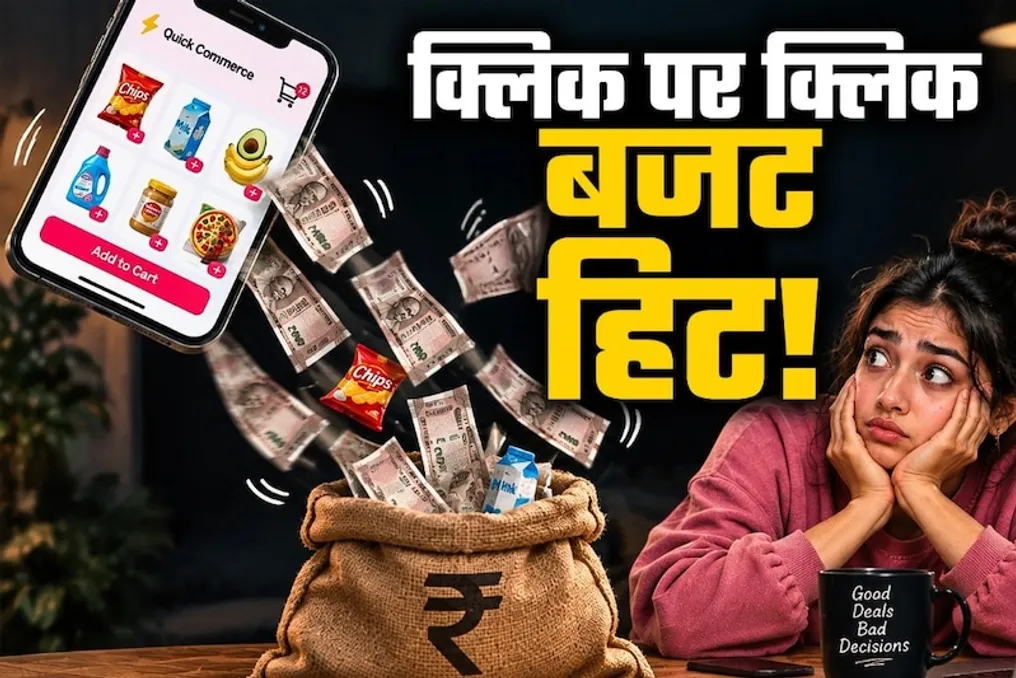
Social media has amplified the effect of FOMO (Fear of Missing Out). Seeing friends' trips, concerts, and expensive dinners creates pressure to participate in all plans. However, Gen Z has started thinking not about following every trend or event, but about whether it fits their budget and if they want to spend money on it. Loud Budgeting is a way to set your financial boundaries amidst this pressure.
It is important to note that 'loud' does not mean refusing things or being stingy. It means spending money according to one's priorities and not feeling awkward about it in front of friends. After all, the financial motto of Gen Z is as well thought out as Gen Z itself: 'If there is a budget—great, if there isn't—just say so!'