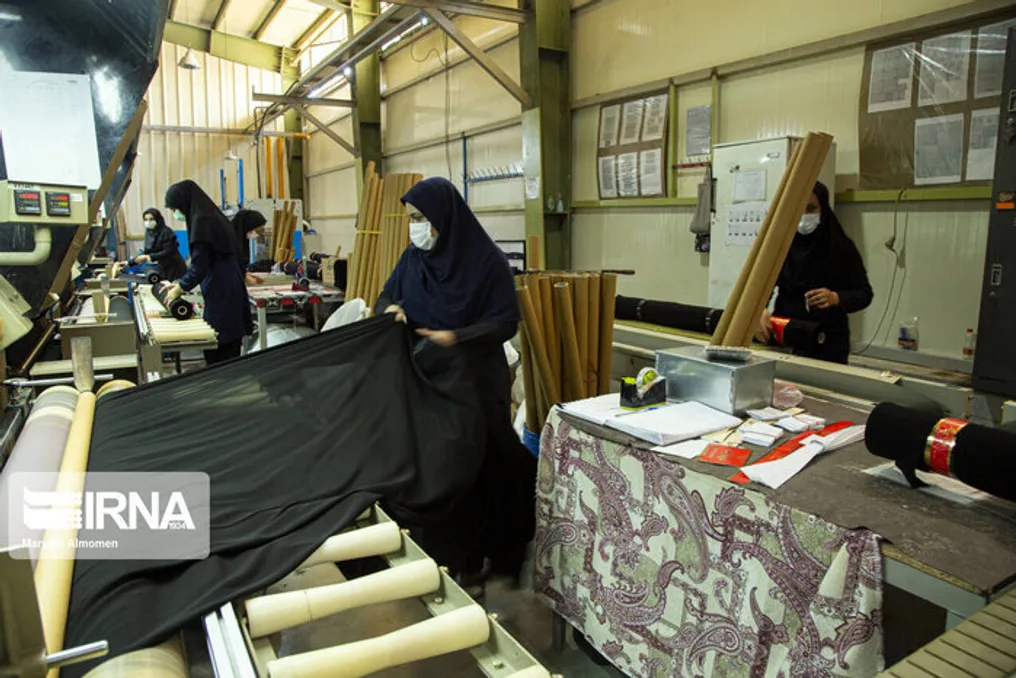
The country has about 26 million households, of which more than 20 million are located in cities and approximately six million in rural areas. According to the latest data, women head more than 12 percent of these households. Plans are currently being developed to increase support for such families.
According to the National Organization for Civil Registration, the number of female-headed households ranges from 6.5 to 7 million. These statistics cover women whose husbands have died or become disabled and who have legally taken responsibility for their families, as reported by Parvin Dad-Andish, head of the Department of Women and Family Affairs at the Ministry of Interior.
Dad-Andish emphasized that the growing number of such families indicates the need to pay them more attention and provide stronger economic and social support. She added that in these families, women bear not only family responsibilities but also the burden of providing for and managing daily affairs.
As part of a program implemented in 16 provinces, nearly 10,000 female-headed families who previously did not receive aid from charitable organizations were identified. During this initiative, the skills and abilities of these women were assessed and classified, leading to the development of a two-year training and self-employment assistance program. The program has already shown tangible results, including the provision of work equipment and the creation of home businesses.
This official representative also announced the start of cooperation with the Ministry of Information and Communications Technology to provide IT training for girls from female-headed families, aiming to help the children of these families achieve independence.
Women in Management
Zahra Behrouz-Azar, Vice President for Women and Family Affairs, stated that since the current administration took office, over 2,700 women have been appointed to leadership positions across the country, including deputy ministers, CEOs, deputy CEOs, governors, district governors, and heads of research institutes.
Behrouz-Azar quoted IRNA, noting that President Masoud Pezeshkian's administration has always emphasized the importance of national unity and women's empowerment. She also noted that Sunni female governors have appeared in the country for the first time.
Furthermore, the official mentioned that efforts have been made over the past year to identify and address issues harming women, including a bill to eradicate violence against women, hijab issues, and women riding motorcycles. The Vice Presidency for Women and Family Affairs has also proposed loans and other benefits for motherhood.
She expressed her conviction that women's participation in top leadership and decision-making is their right and the key to the country's development. Behrouz-Azar stated her goal is to increase the share of women in leadership positions in the country based on meritocracy and fairness. She recalled that President Masoud Pezeshkian had stated during election campaigns the recognition of women's right to political participation and the promotion of women's issues within the administration.
Economic and Social Empowerment of Women
Speaking at the Asia-Pacific Ministerial Conference held in Bangkok in 2024, Behrouz-Azar stated that the current administration is focused on empowering women in social and economic spheres, as well as improving their access to social services and facilities through the implementation of specific national programs.
According to Behrouz-Azar, Iran traditionally focuses on programs that strengthen the position of women, especially those who are heads of households, both economically and socially. The country's actions have always aimed at raising the status of women while adhering to the principles of the constitution and Islamic teachings, according to the Mehr agency.
Referring to Iran's outstanding achievements in education, healthcare, science, technology, and entrepreneurship, she highlighted the significant role of Iranian women in these fields. The official representative also mentioned that the Seventh National Development Plan emphasizes the need to overcome barriers to women's professional growth. Accordingly, the current administration has included support for female entrepreneurship and the growth of home businesses in its agenda, despite unfair sanctions.
Addressing a round table on 'Promoting Women's Economic Empowerment Through Employment, Decent Work, Social Protection, and Entrepreneurship,' Fakhr al-Sadat Fatemi, advisor to the Deputy Vice President for Women and Family Affairs, proposed three ways to advance women's empowerment in various areas. These methods include training, capacity building, skill acquisition, and creating opportunities for women's participation, as well as providing legal and executive support, according to the Mehr agency.