The true strength of a sports team is determined not only by its starting eleven; it manifests when multiple stars are available simultaneously, yet the team's level does not drop. In the coming weeks, Indian cricket will face such a test: an ODI series against the West Indies will take place while the Asian Games are being held in Japan. The question is not who replaces whom, but whether India possesses sufficient squad depth to field two strong international teams at once.
This situation presents more of an examination than a problem for Indian cricket. Many players selected for the T20 format Asian Games were previously part of India's plans for the ODI format. Consequently, some recognized names will be unavailable during the start of the ODI series against the West Indies. It is under these conditions that the true reserve power of Indian cricket can be revealed.
For instance, Ishan Kishan will be available for the Asian Games as a wicketkeeper. However, this does not mean that Rishabh Pant should be considered the only replacement for him in the ODI team. A more important question is which wicketkeeper, besides Kelleh Rahul, can be a reliable choice for use during the 2027 World Cup?
Pant's name naturally surfaces because he is a big-match player, and his ODI statistics are favorable. Nevertheless, if he is given a chance, it cannot be seen merely as a return of a star. It must become an opportunity to test what role Pant can play in the next World Cup cycle. Another figure in this picture is Dhruv Jurel. Therefore, it is more important to develop a complete backup plan than to give a chance to one player.
A similar situation is observed in the batting department. Shreyas Iyer will captain the Asian Games, which may give chances to batsmen like Rituraj Gaikwad and Yashasvi Jaiswal in the ODI series. In both cases, the question is not just about form. The question is whether Indian batsmen who can step in for the primary players are ready without lowering the quality of the team?
Yashasvi's situation is particularly interesting. Despite scoring two centuries in the last three ODI matches, if he does not secure a spot in the regular ODI lineup, it will not just be the disappointment of one player. It will call into question how Indian selectors determine their priorities for the future.
The challenge in bowling is even greater. Since Jasprit Bumrah and Arshdeep Singh will be available for the Asian Games, other fast bowlers may be tasked with responsibility in the ODI series. Mohammed Siraj, Mayank Yadav, and other options will get a chance to prove their worth.
This is where India's true depth will be shown. After all, great teams are not defined by whether they have a bowler like Bumrah. They are defined by how reliable the next bowler is if Bumrah is unavailable. In tournaments like the World Cup, injuries, workload, and form can change the equation at any moment. Therefore, having a second line is not a luxury, but a necessity.
The same test awaits all-rounders. If Axar Patel participates in the Asian Games, it could open the door for Ravindra Jadeja's return to ODIs. But it is not enough to just consider this as the return of an experienced player. Selectors also need to determine what type of all-rounder the team requires for the next major tournament.
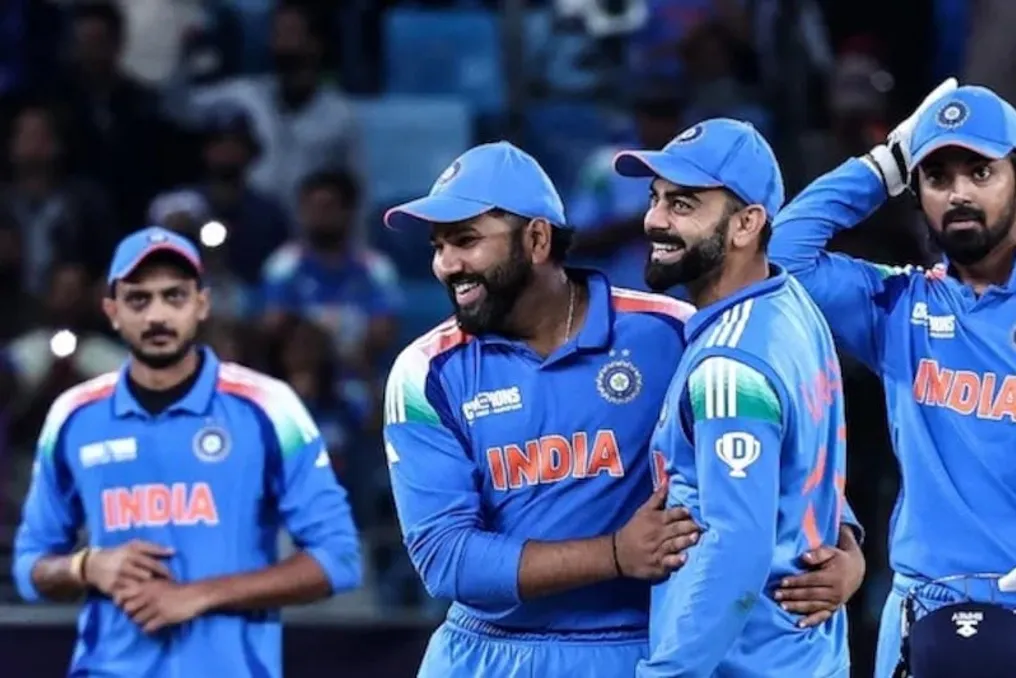
The most intriguing thing about this story is that major names like Rohit Sharma, Virat Kohli, and Shubman Gill will also be present in the ODI series. That is, on one hand, there will be many first-tier Indian stars, and on the other, a test for those players who must replace them when necessary.
Therefore, considering this ODI series merely a three-match series against the West Indies would be a mistake. It could also become a selection series for India's second team.
India has long spoken about its reserve strength. There is talk of constantly forming a large pool of new players through the IPL, domestic cricket, and India-A. But the real test takes place in international cricket. There is not just talent required there. There is also the ability to perform under pressure, understanding the role, and taking responsibility in the absence of big players.
The clash of the Asian Games and the ODI series against the West Indies places precisely this kind of test before India. And perhaps this is the most positive aspect of the entire event.
If India uses this opportunity only to fill gaps, the benefit will be limited. But if every new player is clearly assigned a role and tested, the picture for the 2027 World Cup could become clearer in just a few matches.
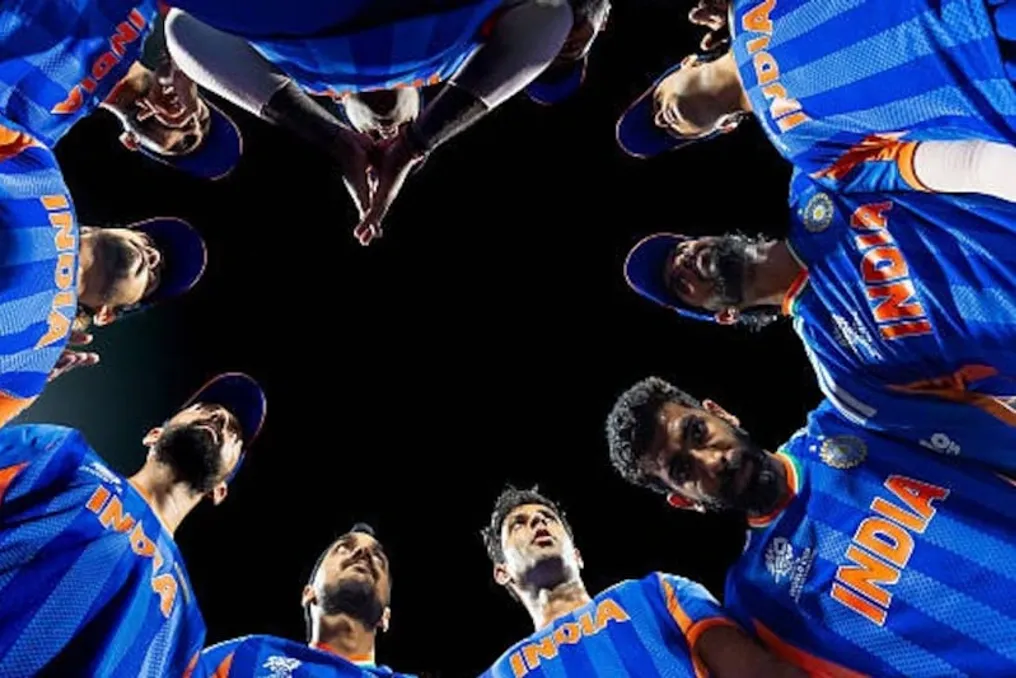
Which of the eleven players will take the field is a secondary issue. True strength will be demonstrated when, in addition to these eleven, there are players ready to take responsibility as soon as the opportunity arises. The Asian Games have provided India with exactly such an opportunity.
Now the ball is in the selectors' court, not just the players'—will they view this as a forced measure or as a chance to build two strong Indian teams?