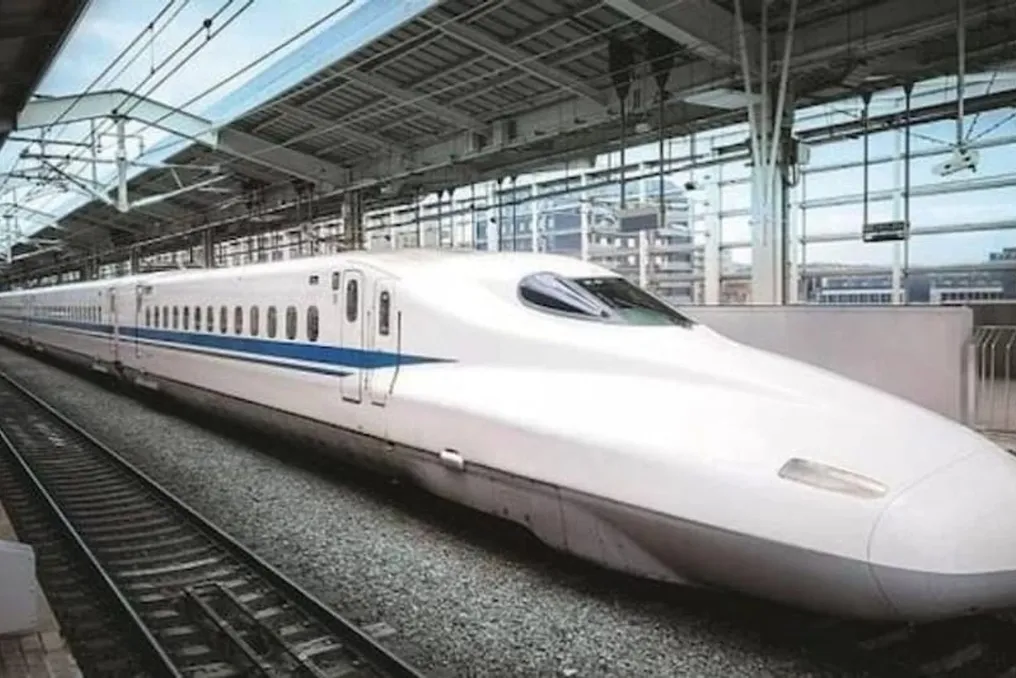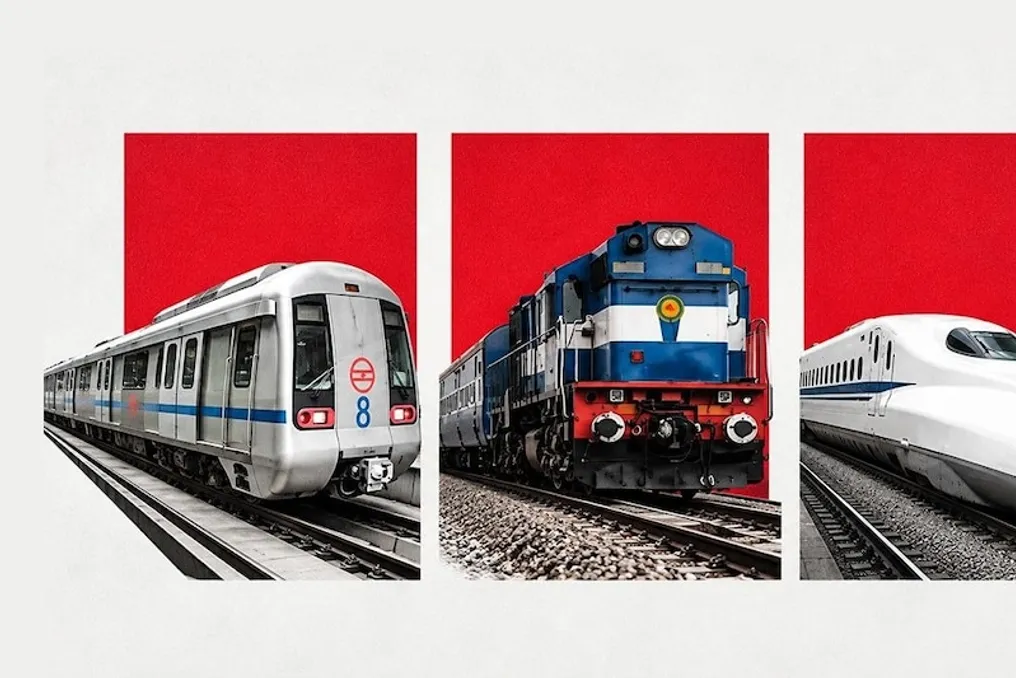
The railway and metro network in the country is constantly expanding, and with the launch of the Mumbai-Ahmedabad high-speed rail corridor, the dream of high-speed trains in India is becoming a reality. Consequently, there is growing interest among young people in the professions of train drivers, metro operators, and future high-speed train drivers. A constant question arises about what specific positions exist in the railway sector, but many wonder: who among these three—an Indian Railways driver, a metro operator, or a high-speed train driver—earns the most?
Let's examine the differences in salaries and responsibilities of these three professions.
Employees who operate trains in Indian Railways are usually called locomotive drivers. However, a career in this field does not start directly as a locomotive driver. Candidates begin their journey as Assistant Loco Pilot (ALP). The initial basic salary for an ALP is ₹19,900, corresponding to Pay Level-2 of the Seventh Central Pay Commission. In addition, employees receive inflation allowances, working allowances, and other benefits. By gaining experience and advancing in service, an employee can reach senior positions, including Senior Locomotive Driver. Due to permanent service work and various allowances, the total monthly income of an experienced locomotive driver can reach approximately ₹80,000–₹100,000 or even exceed this amount.
Metro train operators may receive different salaries depending on the city and the specific metro company. They are usually called metro operators. The salary of a metro operator depends on the respective metro corporation, position, experience, and level of qualification. At the initial stage, it can be around ₹30,000–₹40,000 per month. Nevertheless, with experience and professional development, a candidate can earn from ₹70,000 to ₹90,000 or more.
The question of how much a high-speed train driver will earn is of greatest interest. The first high-speed rail project in India is the Mumbai-Ahmedabad corridor. Currently, regular passenger operation of high-speed trains in India has not yet begun. Therefore, there is no publicly established regular tariff structure for high-speed train drivers, similar to that of Indian Railways locomotive drivers. Because of this, data about the salary of a high-speed train driver published online cannot be considered reliable.