Smart insurance helps farmers maintain financial stability amid climate change
Read more
Food For Mzansi
foodformzansi.co.za

Smart insurance helps farmers maintain financial stability amid climate change

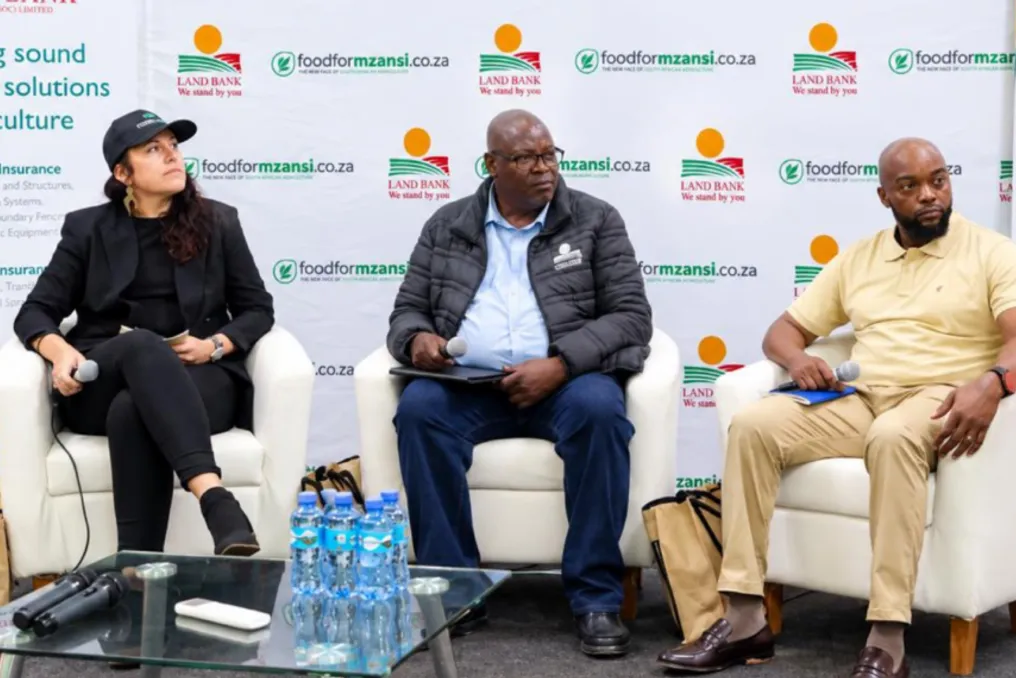
To create resilient agricultural enterprises, it is necessary to shift from reacting to crises to actively protecting assets, livestock, and data that ensure the financial viability of agribusiness. This was the central message at the closing day of the 'Lunchtime Conversations' series, organized by Food For Mzansi in partnership with Land Bank in Bredasdorp, at the Nampo Cape event.

Industry experts gathered again in the Santam auditorium to discuss in detail the topic 'Protecting what matters: assets and livestock for sustainable agriculture.' The panel discussed how to align climate variability, insurance innovations, and localized data to protect South African agriculture from growing uncertainty.

Starting the discussion, Andriess Malase, Senior Operations Manager at Land Bank Insurance, emphasized that because agriculture is an open industry, farmers and production systems are constantly exposed to the influence of weather fluctuations, temperature, and rainfall.

Analyzing recent production cycles, Malase noted that high overall production volume can mask serious operational difficulties on individual farms. Although South Africa achieved a production volume of 70 million tons last season, which looked positive at the macro level, individual farmers faced serious problems due to extreme events such as hail and floods.

Malase stated that while insurance is originally aimed at protecting farmers and their livelihoods, today farmers need practical and accessible insurance tools for managing risks and uncertainties. He added that Land Bank Insurance is ready to develop solutions that meet these needs and is prepared for potential events and risks that farmers may face.

In light of impending harsh climate patterns, Malase strongly urged producers to take early and thoughtful measures to protect their businesses. He questioned readiness for 'super El Niño,' believing that this starts with the ability of farmers to adopt technologies, new practices, and techniques, and that farmers should view insurance as a serious investment.

The need for specialized protection is driven by the reality of rapid climate shifts. Dr. Tara Southy, CEO and founder of TerraClim, pointed out that the main problem of climate change in South Africa is strong seasonal variability, where no season resembles another.

Southy explained that the country is experiencing a scenario of rising temperatures and decreasing humidity, as well as an increase in seasonal phenomena, hours above 35 degrees Celsius, and hours below seven degrees Celsius.

She cautioned against relying on historical annual averages when assessing risks. Citing the Western Cape, she noted that although the region received very little rainfall in July, heavy rains in early May made the average winter figure appear normal.

For the data to be truly useful on the farm, she called on the industry to break down climate data into hourly intervals to quantify the frequency of extreme events in specific areas. Southy stressed that in the context of climate change, it is crucial to start quantifying extreme events rather than simply moving away from averages.

She added that all this hourly data affects plant physiology, as well as the movement of pests and diseases, and understanding this across the entire farm—not just with one weather station—is key to recognizing climate vulnerability.

From a risk management and brokerage perspective, Sinethemba Zweni, a representative of an insurance broker from Venshaw Insurance Administrators, noted that unpredictable climatic conditions cause direct financial anxiety among producers due to fluctuating operating costs.

Zweni stated that farmers are generally very concerned about climate change due to its unpredictability. When an incident occurs, farmers want to know how quickly the insurer can resolve the issue. He believes this is the primary concern for farmers at present.

Although farmers generally acknowledge the need for insurance coverage, Zweni highlighted a critical area for improvement across the entire insurance chain: strengthening the links between brokers and producers. He added that there is a gap that needs to be addressed, namely that brokers must be closer to their clients, understand their needs and risks, so they can provide proper advice.


Similar stories

Western Cape agriculture development depends on markets, water resources, and financing
Read more
foodformzansi.co.za

Western Cape agriculture development depends on markets, water resources, and financing

On the second day of the Nampo Cape event in Bredasdorp, the role of new markets, ensuring water security, and access to financial resources for the growth of Western Cape agriculture were discussed. Organizers Food For Mzansi and Land Bank held a luncheon discussion, gathering a panel of participants.

Participants in the discussion included Sahumzi May, Chief Agricultural Economist at Land Bank; Mathiana Mzi, Regional Head of Commercial Banking and Transformation for the Cape region at Land Bank; Gianni Stridom, CEO of Agri Western Cape; and farmer Aldrink October from Kaapschon Boerdery & Ander.

May explained the opportunities for growth in the province's agricultural sector despite the possibility of another El Niño event, as well as the potential opened up by new markets. He noted that the Western Cape has existing infrastructure, including ports, but optimization of processes is necessary for development. May emphasized that there are already secured markets creating growth opportunities, and realizing this potential requires the involvement of both commercial and developmental parties to attract funding for development. China was named among the new markets that have been opened.

Furthermore, May pointed to the possibility of increasing water collection after periods of heavy rain and flooding in the province. He suggested that building infrastructure for reserving and collecting this water would contribute to irrigation development, allowing for the expansion of cultivated areas to meet market demand.

Farmer October highlighted the importance of water access and the difficulties associated with transporting it between different parts of the farm. He spoke about having a large reservoir at the winery and a small one at another farm, as well as having winter and summer water. The summer reservoir was located in the lower part of his farm in Overberg and required pumping water to the upper part, which was estimated at approximately R250,000, but investment was necessary for survival during the season.

Meanwhile, Mzi stressed the importance of banks acting as trusted advisors who understand the background, plans, and needs of farmers. He stated that when a bank becomes a trusted advisor, the farmer gives the bank a chance to understand their motivation, current challenges, and future expansion plans, allowing the bank to propose a solution that meets the client's needs.

However, Stridom urged farmers to remain optimistic and hopeful for the next season, noting the resilience of those who continue to produce food despite numerous industry challenges. He also highlighted several key commodities that could have an interesting future, including the wine industry. Stridom warned that the grain sector is under serious pressure, and structural change is necessary—whether in timing structure, pricing, or transport differentials. Otherwise, he warned, regions could lose their position in grain production.

How solar energy can reduce operational costs for farms amid rising tariffs
Read more
foodformzansi.co.za

How solar energy can reduce operational costs for farms amid rising tariffs

Unstable power supply on farms leads to serious problems: the shutdown of irrigation pumps, heating of cold storage rooms, exposure of poultry to cold or heat, and increased costs due to product downtime. For South African farmers, who are already facing rising resource costs, unreliable electricity, and climate change, the energy issue is critically important.

Consequently, more and more farmers are considering alternatives to the national grid, focusing on solar panels, battery storage, and even using agricultural waste as an energy source.

The transition to renewable energy sources is also part of agriculture's response to climate change. In addition to seeking more affordable and reliable energy, abandoning fossil fuels helps reduce greenhouse gas emissions in the sector.

Commercial poultry farmer Lerato Aliu, CEO of Roadgrass Investments in Katabooshfontein, is integrating renewable energy into her farm's plans for increasing sustainability and reducing costs. Although the farm has not yet fully transitioned to autonomous power supply, Aliu is in the process of approving a plan to implement solar energy.

Her approach is based on utilizing existing farm resources rather than building a system from scratch. Aliu noted that the goal of the transition is to reduce electricity costs by at least 20% in the coming months.

Besides savings, this step aims to increase resilience against power outages and sudden supply interruptions. For her, energy reliability has become as important as its cost. One of the main lessons learned was studying available resources, such as chicken manure, which can become an untapped energy source.

Aliu emphasized that selecting a suitable solar system requires a thorough plan that must consider initial costs, actual energy needs, and system compatibility with existing equipment. Her advice to other farmers is not to rush planning and to carefully examine waste or by-products that can be converted into energy.

An agricultural economist from Gauteng, Dr. Sifwe Zantsi, believes that energy already constitutes a significant portion of farmers' production costs, and rising fuel and electricity prices intensify pressure on already limited profits. For farmers who can cover the initial investment in solar and other renewable systems, long-term savings can significantly impact the financial outcome.

After the equipment pays for itself, most of the funds previously spent on energy remain in the business, although maintenance costs remain. This is particularly relevant for small farmers with narrower margins. However, the main problem is the upfront cost. Zantsi suggests that small landowners pool their efforts to jointly cover the costs of installing renewable systems.

He also warns that making energy cheaper for farmers does not necessarily lead to lower food prices, as farmers are largely price takers, and prices are determined by market forces. He added that a reduction in food prices could occur if renewables are used by processors and distributors.

An environmental activist from Cape Town and founder of Blackgirls Rising, Soli Fuyani, argues that renewable energy will help South Africa's agriculture respond to growing climate change pressures while simultaneously improving energy security on farms. Agriculture is at the intersection of the country's energy, water, and climate challenges, and farmers are already battling drought, unpredictable rainfall, floods, and rising temperatures.

For Fuyani, the value of renewable energy goes beyond simply lowering electricity bills. Solar energy can support irrigation, cooling, and processing, reducing farms' dependence on coal-fired electricity. She believes this should be part of a broader movement towards climate-smart agriculture, alongside improved water management, soil health, and biodiversity protection. She insists that 'renewable does not automatically mean no impact.'

Fuyani also points out the need to consider the location of solar infrastructure, its impact on productive land and ecosystems, as well as the fate of solar panels and batteries at the end of their service life. She believes the transition must reach small and emerging farmers through accessible financing, technical support, and shared infrastructure such as community solar, cooling, and irrigation systems.

Professor Samson Mampheveli, head of the Energy Secretariat at the Department of Science and Technology Innovation (DSTI) in the South African National Energy Development Institute (SANEDI), notes that the decision to move away from complete reliance on the national grid is largely driven by energy security concerns and the rising cost of electricity. For farmers, unreliable power supply can have consequences far beyond the electricity bill. Cable theft, outages, and scheduled shutdowns can disrupt irrigation, cooling, processing, and livestock farming, potentially leading to direct production losses.

Mampheveli states that solar and other renewable systems can offer farmers a cheaper and more reliable alternative with a relatively short payback period. He emphasizes that the size of the farm is not the decisive factor when designing a renewable energy system; what matters most is an assessment of the farm's specific energy demand, which must be conducted by a qualified engineer or electrician.

In addition to savings, stable power supply protects production. For example, a power outage on a poultry farm in winter can lead to bird deaths from cold, and a break at a dairy farm can jeopardize milk stored in cold rooms. Mampheveli concludes that correctly sizing the system is key to ensuring the expected return on investment, stressing: 'The system must be properly sized by a qualified engineer.'

Chile Agriculture: Why High-Yield Crops Remain a Missed Opportunity for South Africa
Read more
foodformzansi.co.za

Chile Agriculture: Why High-Yield Crops Remain a Missed Opportunity for South Africa

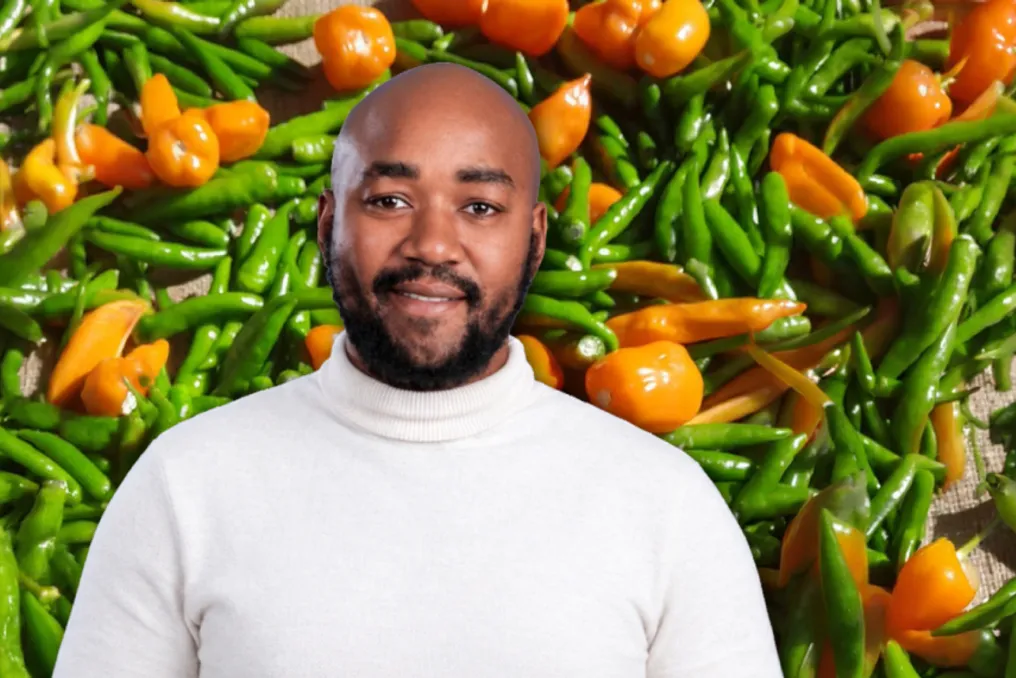
Tlhoks Vegis founder, Letlogonolo Leservane, shared his experience and raised questions about support for high-yield crops and the local agro-processing sector in South Africa. He recounted how a small backyard plot turned into a national brand of hot sauces, available in over 83 points of sale, all achieved without state financial support or inherited land.

In 2016, Leservane began growing chilies in his backyard in Kuruman while unemployed, not with the intention of making a statement about the agricultural sector, but rather for survival. Nine years later, that backyard became a family agribusiness. The company grows, processes, and bottles chilies as Sambok Hot Sauce, which is now sold in more than 83 stores across South Africa.

This success was achieved in spite of the existing system, not because of it. Leservane emphasizes that this is not just a personal success story, but a critique of those who should have facilitated this process but failed to do so. He argues that chili is not a complex crop requiring less land than maize and yields more per hectare than most vegetables.

Furthermore, chili has real export demand, and its profit multiplies after being processed into hot sauce, chili oil, or spice blends. Raw chili sells for pennies, whereas bottled and branded chili sells for rand. This Tlhoks Vegis business model has been proven in practice. Nevertheless, chili is often viewed as a secondary product.

New farmers are often advised to plant maize or vegetables without the possibility of further processing, ignoring the fact that a small chili plantation with proper processing can generate more income than a much larger plantation of staple crops. The advice given to new farmers is based on what is easy to finance, not on what truly generates income.

Leservane learned through his own experience, self-funding equipment and packaging from business revenues. Every stage, from farm to bottle to store shelf, happened due to his family's perseverance, not the presence of a supportive system. He poses a question that South Africa must answer: if a chili business managed to go from a backyard in Kuruman to 83 stores almost without institutional help, what is happening to the thousands of farmers who never reach that stage?

He notes that chili is a test of how real conversations about food security and inclusive growth are, as this crop rewards processing over raw sales, suits small plots, and fits perfectly into the strategy of land reform and youth farming since it does not require large areas to be viable.

To develop agri-entrepreneurship in South Africa, there needs to be support for access to land suitable for high-yield crops like chili, affordable equipment for small agro-processors, direct sales channels to retail for farmers willing to supply in bulk, and agricultural consultancy that views chili as a serious commodity, not a side project.

Popular