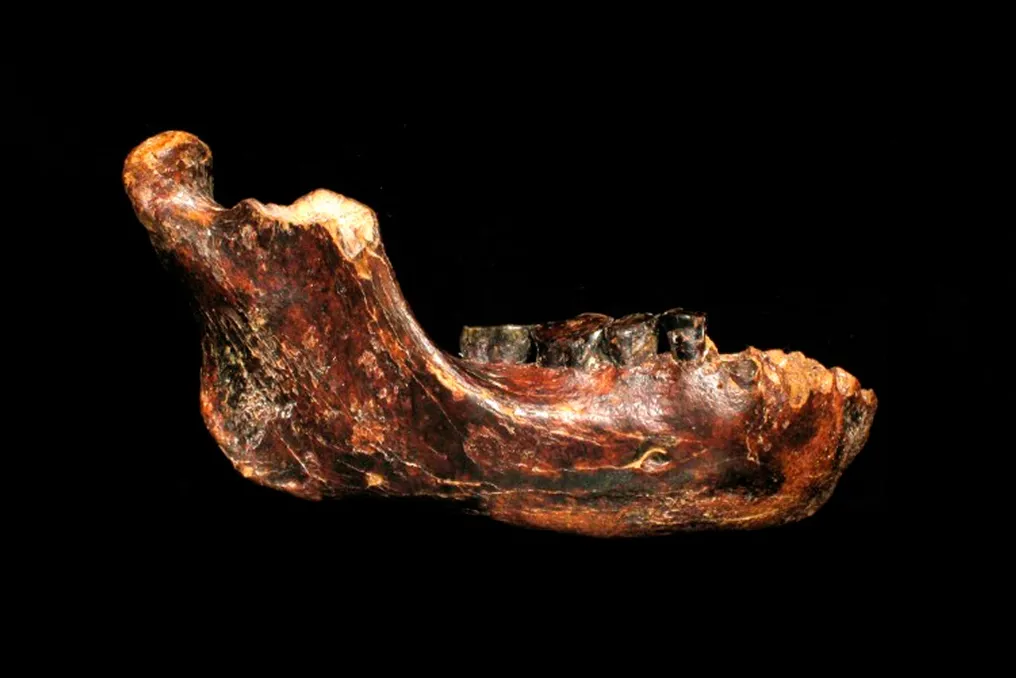
Valuable information about the lifestyle of Denisovans, extinct relatives of Homo sapiens, was recently discovered in an abandoned quarry in southwestern China. A large batch of found fossils indicates that these hominids were skilled hunters more than 130,000 years ago, despite their tools being quite primitive.
These discoveries, published in two articles in the journal Nature, include stone artifacts and bones created by them. This is one of the most significant breakthroughs in the study of this enigmatic species.
Denisovans were hominids who, like Neanderthals, coexisted and reproduced with humans. Evidence for this is the presence of Denisovan DNA in human genetic material; this heritage is more pronounced among residents of East and Southeast Asia, as well as among the indigenous peoples of Australia and Papua New Guinea.
However, unlike Neanderthals, relatively little is known about Denisovans. The species was identified only in 2010 based on DNA found in several bone fragments in Denisova Cave in Siberia (Russia)—hence the name. For years, these fossils were the only known representatives of this group.
Starting in 2019, new evidence of the species began to be found, especially in Asia. Bones found decades earlier were identified as belonging to Denisovans through protein analysis, including jaw fragments found in Tibet and the Taiwan Strait. In 2025, the face of this relative of ours was finally revealed after the identification of the first skull of the species in China.
Now, a new discovery in a cave in China brings valuable progress: seven new Denisovan fossils, including the first hand fragment of one individual. Moreover, the site was full of tools made by these hominids and remains of animals they hunted.
These items were found in 2019 during environmental restoration work at Bianfu Cave, located in an abandoned quarry in Yunnan Province, China. Since then, archaeologists have been investigating the site, discovering numerous tools and bone fragments.
At first glance, the finds resembled parts of hominids, but it was unknown which species they belonged to. DNA searching yielded no results because the molecule is fragile and degrades over time. Protein analysis of the fossils showed that seven of them belonged to Denisovan individuals: four teeth, two skull fragments, and one piece of radius bone. This, incidentally, is the first sign of the hand of this species.
The tools found at the site were made from bones similar to those produced by their cousins, the Neanderthals, or from chipped stones. They were simple and primitive, created with just a few blows, rather than being shaped and refined by removing small flakes. That is, they were likely intended for immediate use rather than being the result of a long process of creation of a permanent object.
Despite this, Denisovans were probably skilled hunters, as the cave was full of bones of medium and large mammals, including deer and Asian buffalo—animals that are not easy to catch and require complex strategies and possibly teamwork. The remains indicate that the hominids knew how to extract calorie-rich and fatty bone marrow from the bones of their prey.
Most interestingly, the fossils were found in different archaeological layers, indicating that they lived at different times. Scientists suggest that the identified Denisovans inhabited the cave between 167 thousand and 134 thousand years ago. As for the tools, they were found in layers dated from 190 thousand to 70 thousand years ago, suggesting a possible occupation of the site for up to 120 thousand years. However, it cannot be known if all of them were made by Denisovans.