Porto-Novo Review in Benin: 48 Hours Among Architecture, Markets, and Cultural Traditions
Read more
Getaway
getaway.co.za

Porto-Novo Review in Benin: 48 Hours Among Architecture, Markets, and Cultural Traditions

Porto-Novo, the political capital of Benin, is a city with vibrant facades, bustling markets, and a multilayered history. Over a 48-hour period, visitors can explore Afro-Brazilian architecture, museums, royal heritage, local cuisine, as well as waterways and craft traditions located outside the city.

Although Porto-Novo is often overshadowed by Cotonou, it offers a completely different perspective on Benin. The city was shaped by Yoruba and Gouan traditions, its colonial past, and the influence of people who returned from Brazil, leading to the emergence of a unique Afro-Brazilian architectural style. Its historic districts and Royal Palace are on the UNESCO Tentative List.

The morning is best started at the Grand Mosque of Porto-Novo, one of the city's most recognizable landmarks. Built in the early 20th century, its colorful facade, tall towers, and richly decorated details reflect the Afro-Brazilian influence permeating the historic center. Since the mosque remains an active place of worship, it is recommended to admire the building from the streets and follow local instructions when entering the premises.

Next is a walk through the old parts of the city, where majestic buildings coexist with small houses, stalls, and lively streets. It is here that the history of Porto-Novo becomes part of daily life, rather than something confined to a museum.

Time must be set aside to visit one of Porto-Novo's markets. This experience is not so much about visiting specific sites as it is about observing the city in action. Here you can see bright fabrics, fresh produce, spices, household goods, and locally made handicrafts. It is worth taking time to wander, observe the vendors, and sample something along the way.

Cuisine plays an important role in understanding Porto-Novo, as local traditions were formed under the influence of various cultural influences in the city. It is recommended to try dishes made from fish, corn, beans, yam, and sauces, preferring small local eateries over hotel restaurants.

After noon, one should visit the PALACE ROYAL HONME, also known as the Honme Museum. This palace is associated with the Hogbon rulers and provides insight into the traditional monarchy of Porto-Novo. This place is particularly useful for understanding the city beyond its Afro-Brazilian architecture, demonstrating another layer of history that has shaped the capital.

The Royal Palace and surrounding historic district are part of the UNESCO Tentative List site of Porto-Novo. From there, one can head to Jean Bayol Square and the Pantheon of Black and African Heritage of Porto-Novo. This small cultural landmark is dedicated to black and African heritage and adds another perspective to the city's history. According to current data, it is open daily, but travelers should check operating hours locally in advance.

Jean Bayol Square is also worth noting for the statue of the first king of Porto-Novo, which serves as a useful landmark in the historic center.

The rest of the day should not be filled with sights. Porto-Novo is a city that rewards slow exploration. You can stroll past old houses, watch artisans at work, and stop for a drink or snack if you find something interesting. It is also a good time for photographing architectural details that might be missed while moving between main attractions.

As evening approaches, one should settle down for dinner and look for opportunities to experience the city's music or cultural traditions. Porto-Novo's heritage is not limited to historical buildings; traditional music, dances, crafts, and religious rites remain part of the city's cultural life. The best way to end the first day may not be another tour, but a meal and an evening spent at a more relaxed pace.

In the evening, one should find a quiet place for dinner and enjoy Benin's food culture. You can try fried fish, local sauces, corn or bean-based dishes, depending on availability. It is also a great opportunity to look for traditional drinks and local ingredients.

If your visit coincides with a cultural performance or local event, be sure to allocate time for it. Porto-Novo's heritage is not just displayed behind glass; music, dance, crafts, and religious and cultural traditions continue to shape life in the city. The Benin Tourism Board describes Porto-Novo as a place where these living traditions remain an important part of its identity.

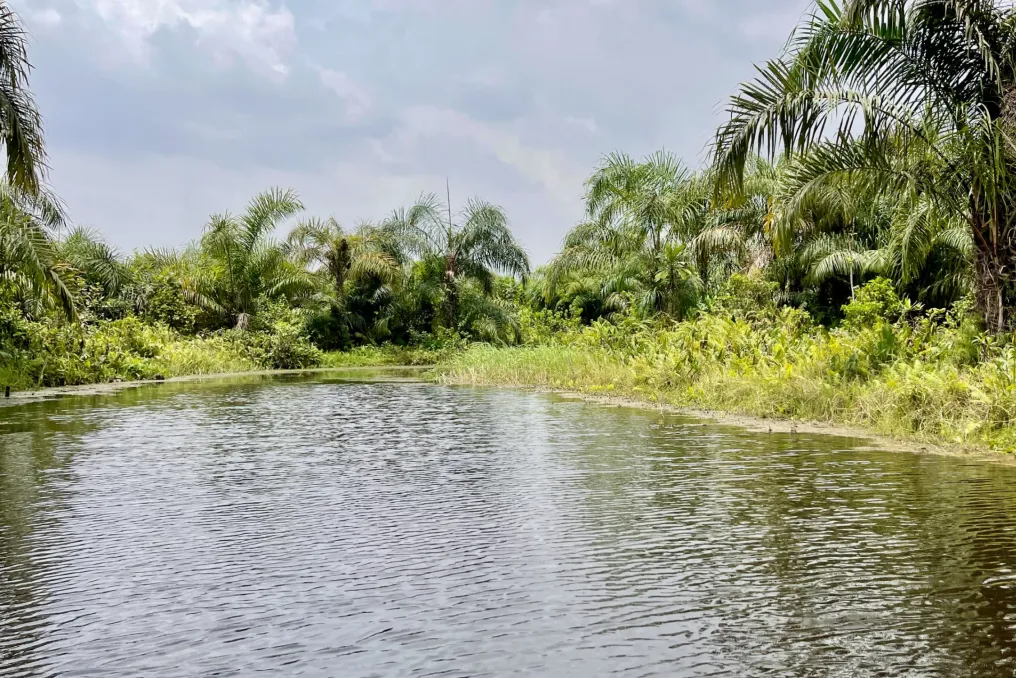
Porto-Novo also serves as a convenient base for exploring the greener landscapes around the capital. One can travel to Adjara, located near the city, to spend a peaceful day by the Black River. The river winds through raffia palms, ferns, and marshlands, creating a sharp contrast to the busy streets of Porto-Novo.

A trip on a traditional canoe boat offers a chance to see the landscape at a different pace. The excursion takes about two to three hours and is usually accompanied by a local guide. Trips may also include visits to workshops where artisans make drums and raffia baskets, adding both a natural and cultural element to the trip.

This makes for a suitable final outing, as it combines several themes that make Porto-Novo interesting: nature, crafts, local knowledge, and daily life.

Upon returning to Porto-Novo, one can spend the last hours browsing handicrafts or visiting the historic center. The city is also developing a creative scene, where galleries, artists' workshops, exhibitions, and other cultural initiatives are emerging alongside the old heritage.

Instead of trying to see everything, it is better to use the last day to revisit a street or market that you liked on the first day, purchase a handmade souvenir, and have a final meal.

Porto-Novo rewards curiosity. Its appeal lies not in a single spectacular sight, but in how various stories and cultures intertwine throughout the city.

Porto-Novo has a tropical climate, so conditions can be hot and humid. For sightseeing, it is recommended to start outdoor activities early in the morning, dedicating the hottest part of the day to museums, lunch, or quieter pursuits.

Porto-Novo is approximately 35 km from Cotonou, allowing it to be included in a broader trip through Benin or using Cotonou as a starting point. The Benin Tourism Board includes Porto-Novo among the country's key destinations and provides up-to-date information on transport, visas, health, and safety, as well as the best time to visit.

Similar stories

Exploring the Midlands Region in KwaZulu-Natal Over 48 Hours in Spring
Read more
getaway.co.za

Exploring the Midlands Region in KwaZulu-Natal Over 48 Hours in Spring

Spring is considered a wonderful time to explore the Midlands region of KwaZulu-Natal. During this season, the hills turn green, flowers begin to bloom, and the countryside comes alive after winter.

You can spend 48 hours following the Midlands Meander route, making stops for walks in the forests, visiting waterfalls, tasting farm produce, touring gardens, and enjoying the atmosphere of small towns. This area offers a combination of farms, restaurants, artisan studios, and opportunities for outdoor activities, allowing for an easy organization of a relaxing rural getaway.

Starting the Journey

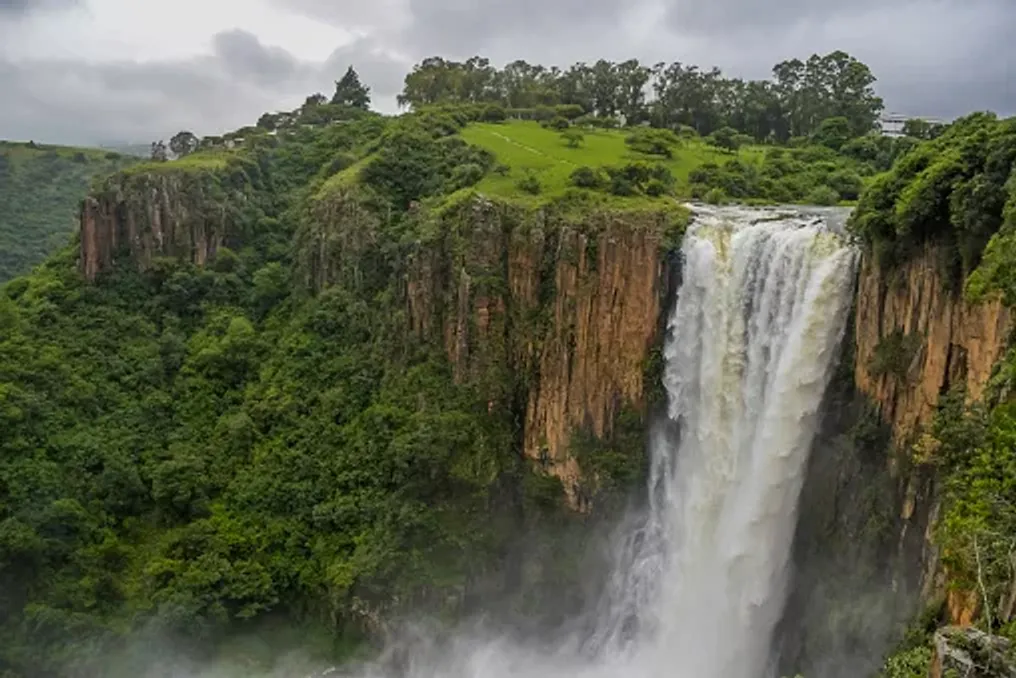
The journey can begin in Howick by visiting Howick Falls. Here, the Umgeni River plunges into a deep gorge, making this waterfall one of the most famous natural attractions in the Midlands. After viewing this spectacle, you should proceed towards Carlow.

Carlow is a suitable place to get out of the car and immerse yourself in nature. This area is known for its forests, meadows, and waterfalls, offering hiking trails of varying lengths—from short strolls to longer treks. For a more adventurous experience, visitors can take a tour through the Carlow forest canopy, or if a quieter retreat is preferred, opt for a shorter woodland walk.

Spring is ideal for exploring this part of the Midlands when the hills are green and the landscape is adorned with wildflowers. Next, head back to the Midlands Meander for lunch.

Along the route, there are numerous spots where you can stop to try farm-style food, local products, and something sweet. The Meander is renowned for its food producers, cafes, restaurants, and farm shops, so there is no need to plan every meal in advance.

One option is Piggly Wiggly near Lions River, where you can find food, shops, and entertainment in a rural setting. In the afternoon, you can drive through small settlements around Lions River, Ballgowan, and Nottingham Road. This is where you can best enjoy the Midlands at a slower pace: stopping at a farm shop, browsing an artisan store, or simply parking to admire the views.

The Midlands Meander encompasses everything from pottery and weaving to food producers, gardens, and galleries, providing many opportunities for spontaneous stops.

An overnight stay is recommended in the Nottingham Road area.

Take Your Time

Before returning to the Meander, you can have breakfast. The Midlands is known for its rustic cafes, farm produce, and relaxed restaurants, so breakfast should be viewed as part of the overall experience rather than just a stop before daytime activities.

In the morning, it is worth exploring the small towns and countryside around Ballgowan, Rosetta, and Nottingham Road. Pay attention to local produce, gardens, galleries, and artisan studios along the way; you do not need to visit them all, but choose a few interesting spots and allow time for detours.

Before lunch, you can take one last walk. The Midlands has several trails, including forest and country routes. Choose one that suits your pace and spend an hour or two outdoors instead of trying to squeeze in another major attraction.

Conclude the weekend with a lunch overlooking the Midlands countryside. Local cheese, baked goods, farm produce, and other artisan goods are part of what makes this region a popular destination for gastronomic stops.

If there is space in the car, make a final stop at a farm shop before heading home. The Midlands region does not require rushing. You should allow time to stop at a farm store, stroll through a garden, or sit down for a long lunch. Spring is especially beautiful for visiting due to the green hills, flowers, and fresh countryside, turning the travel between stops into part of the experience itself.

Options for a short getaway within a two-hour drive of Johannesburg
Read more
getaway.co.za

Options for a short getaway within a two-hour drive of Johannesburg

You don't have to spend half your weekend driving on the N1 highway to escape Johannesburg. These simple destinations are close enough for a Friday afternoon departure, yet far enough away to feel like a real break.

If the city starts feeling too noisy, there are many places within about a two-hour radius of Johannesburg where the pace of life slows down significantly. Some are perfect for leisurely lunches and long mornings, while others suit hiking, safaris, or water relaxation better.

Below are some options for a short escape from Johannesburg for your next weekend.

Magaliesberg

For classic countryside relaxation, you can hardly go wrong with Magaliesburg. The Magaliesberg mountains stretch out here, featuring a landscape of rocky cliffs, wooded valleys, meadows, and shrubs, creating a scene that makes the town seem very distant, even if it isn't.

This area is particularly suitable for a weekend because it doesn't require minute-by-minute planning. You can spend the morning hiking or mountain biking, then stop for lunch at a country restaurant, browse farm stalls and small shops along Magalies Minder, and in the evening relax in a cottage or country hotel. There are also opportunities for horse riding, fishing, rock climbing, rappelling, hot air balloon tours, and balloon rides.

For those more interested in history, the Cradle of Humankind is nearby, where Sterkfontein and Malapa caves offer an interesting deviation from typical weekend activities. Accommodation options include the luxurious Mount Grace Hotel & Spa or the more secluded Stone Hill Pet Friendly Boutique Self Catering Cottages.

Hartbeespoort

Known affectionately as Harties, Hartbeespoort is one of the easiest options for a short break from Johannesburg. The town is situated around the Hartbeespoort Dam at the foot of the Magaliesberg mountains, offering visitors a combination of water, mountain scenery, restaurants, and outdoor activities without the need for a long journey.

You can start by taking the Harties cable car to enjoy panoramic views of the dam and mountains, and then spend the day exploring the area's restaurants, markets, and attractions. Boat cruises and water sports are another option if you prefer to be on the water rather than near it.

Harties is also a good choice when everyone in your group wants something different. One person can book a spa treatment while another engages in an activity, and everyone can meet up for dinner later. Accommodation options include Watershed Guest House in Cosmo City and Hartbeespoort Dam Lodge, which offers another option close to the water.

Dinokeng Game Reserve

If you want to go on safari without committing to a five-hour drive, Dinokeng is the answer. Located in northern Gauteng, Dinokeng Game Reserve is the only Big Five reserve in the province and is malaria-free. It offers a surprisingly wild change of scenery for such a close location to Johannesburg, where you can encounter lions, elephants, buffalo, rhinos, and leopards among the wildlife.

One of the main advantages is the opportunity for self-guided exploration. The reserve has over 140 km of self-drive routes, most of which are suitable for sedans, and organized safari tours are available through accommodation providers. Your weekend here can be as active or relaxed as you wish: head out on safari early in the morning, return for breakfast, spend the hottest part of the day at the lodge, and go out again in the afternoon. Just remember that this is a Big Five reserve, so visitors must adhere to the reserve's safety rules and remain in their vehicles, except in designated areas. Accommodation options include The Lookout Safari Lodge within the reserve or iKhaya LamaDube Game Lodge for bushveld stays.

Parys

Parys proves that a small town can occupy you for an entire weekend. Located on the banks of the Vaal River in Free State, it combines antique shops, art galleries, restaurants, and cafes with a surprisingly adventurous side.

On a Saturday morning, you can stroll through the town, stopping by independent shops and galleries before heading out for lunch. If inactivity is not your idea of a vacation, the Vaal River offers canoeing, fishing, motor boating, and rafting, and the surrounding area is ideal for hiking, mountain biking, and other outdoor activities. Another reason to visit Parys is the Wedderboom Dome—a UNESCO World Heritage site formed by a massive meteorite impact about two billion years ago, which today is a landscape of ridges, valleys, and outdoor activities. Accommodation options include River Rock Lodge, South Africa, as a riverside option, and The Place Boutique Guesthouse Parys On The Vaal starting from R1100 per night.

The Vaal River

If your ideal weekend includes water, barbecue, and no pressing commitments, head to the Vaal River. The Vaal River flows through several towns and offers everything: from riverside guesthouses and restaurants to fishing, boat trips, canoeing, and river cruises. The Vaal Dam alone has about 880 km of shoreline, making this area a popular hub for water sports.

You can make your weekend as energetic or lazy as you like. On Saturday, you can spend time on the water, book a riverside lunch, and end the day watching the sunset, or simply take a book and promise yourself to do very little. For a more adventurous weekend, the river between Parys and Christiana is known for its white-water rapids.

Cullinan

For something a bit different, you can substitute the town with Cullinan, a historic diamond mining town east of Pretoria. The village was founded in the early 1900s and still retains much of its Victorian character, especially along Oak Avenue. Today, old buildings house cafes, restaurants, galleries, and shops, making it an easy place for a leisurely Saturday walk.

A clear attraction is the Cullinan Diamond Mine, where tours provide insight into the history of mining in the area. More adventurous activities are also available, including zip-lining, rock climbing, horseback riding, and quad biking. It is close enough to Pretoria and Johannesburg to be a day trip, but staying overnight allows more time to enjoy the town after the daytime crowds leave.

If you are willing to slightly expand the definition of 'within two hours,' Pilanesberg is one of the best options for a full bush weekend. The drive is longer than to other destinations on this list, but the reward is a complete safari weekend without the need to fly or travel as far as Lowveld. The park centers around ancient volcanic landscapes and is home to a wide variety of wildlife. It is particularly well-suited for a two-night stay: arrive on Friday, settle into accommodation and go on safari, then spend Saturday morning and afternoon on safari, and depart for Johannesburg on Sunday. If you plan to include Pilanesberg in a strict 'within two hours' list, check the travel time from your specific departure point before booking, as traffic and route can significantly affect it.

A 72-Hour Route Along Kenya's Lesser-Known Coast: From Kilifi to Lamu
Read more
getaway.co.za

A 72-Hour Route Along Kenya's Lesser-Known Coast: From Kilifi to Lamu

The Kenyan coast is often associated with Mombasa and the Diani resort beaches. However, moving north, the pace of life changes. Quiet streams, fishing villages, mangrove forests, and centuries-old Swahili settlements offer a deeper immersion into coastal life, where daily existence is shaped by the Indian Ocean.

This 72-hour itinerary, running from Kilifi to Watamu and Lamu, combines marine life, coastal history, fresh seafood, and relaxed beach time.

Exploring Kilifi and Surroundings

Kilifi serves as a natural starting point for traveling along Kenya's quieter coast. The town is situated near a wide stream where mangroves, fishing boats, and tidal waters replace the busier promenades characteristic of other locations. In Kilifi, there is no need to fill every hour with activities, as the appeal of this area lies in its slow pace.

The area offers a blend of beaches, water activities, cultural experiences, and community-focused tourism. Next is the direction towards Takanga, a historic settlement located by a stream south of Kilifi. This village has strong ties to the Swahili and Mazrui cultures, featuring ancient mosques, old buildings, and a waterfront that remains closely linked to fishing and community life.

During the trip, be sure to try the freshest seafood dishes—fish, crabs, shrimp, and other local delicacies, depending on the day's catch. Local initiatives around the Kilifi stream also showcase local cuisine alongside projects for mangrove conservation and aquaculture. It is recommended to spend the night in Kilifi, preferably near the stream or Bofa Beach.

Marine Conservation in Watamu

After breakfast, the journey continues north to Watamu, where the focus shifts from local communities to marine environmental protection. The Watamu National Park and Reserve protects coral reefs, mangrove swamps, and diverse marine habitats. The waters of this park are home to sea turtles, dolphins, whales, whale sharks, and numerous fish species.

In the morning, you can go snorkeling, diving, or take a guided boat tour. The protected waters around the Mida stream also provide an opportunity to study Kenya's mangrove ecosystems. It is important to follow the recommendations of local operators and conservation authorities, giving wildlife ample space.

After lunch, a visit to the ruins of Gede is planned, located inland from the coast. These remnants belong to a once-thriving Swahili settlement. Mosques, houses, palaces, and other structures offer insight into the advanced trading communities that flourished along the East African coast. Time should be spent exploring the archaeological site rather than treating it as a quick stop; the combination of coral stone ruins and dense forest makes Gede one of the most atmospheric historical attractions on the coast.

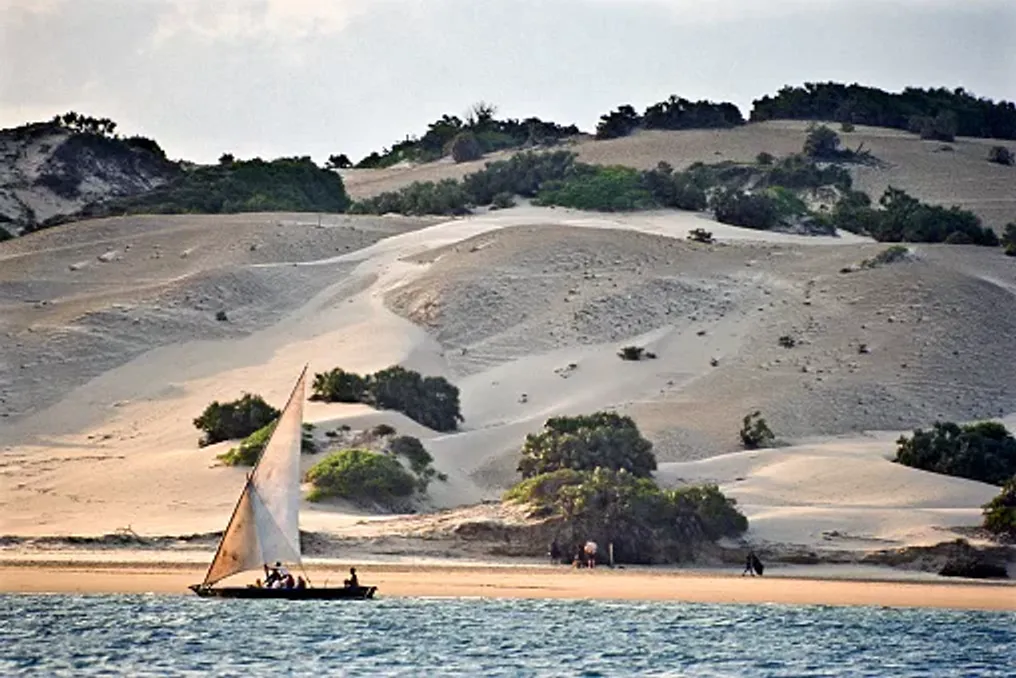
Returning to Watamu allows for a relaxing day at the beach. You can swim, walk on the sand, or take an evening boat ride before dinner. Traditional dhow tours are available along some stretches of the coast, offering a more leisurely way to experience the Indian Ocean. The night is spent in Watamu.

Journey to Lamu

To travel to Lamu, you should start early. Depending on transport arrangements, you can head to mainland Lamu and continue by boat, or connect via Malindi to a flight to Manda airport. The final leg of the journey is longer than the Kilifi-Watamu stretch, so careful planning is required when creating a 72-hour plan.

Upon arrival in Lamu, it is recommended to leave the car and explore the island on foot. Old Town Lamu is a UNESCO World Heritage site and represents one of the oldest and best-preserved Swahili settlements in East Africa. Its narrow streets, coral stone buildings, carved wooden doors, inner courtyards, and verandas reflect centuries of cultural exchange along the Indian Ocean.

Although Lamu is not just a restored historical site, it is a living community, making respectful exploration particularly important. Lunch can be used as an opportunity to sample local coastal cuisine. Swahili cuisine is based on centuries of Indian Ocean trade, combining seafood and spices with ingredients like coconut and rice. It is recommended to seek out restaurants and eateries that support the local population instead of standard tourist menus.

Next is the direction towards Shela for a quieter end to the day. This village possesses a calmer and more relaxed atmosphere, with sandy paths, historic houses, and easy access to the beach. Time can be spent walking along the coastline or simply enjoying the view of the water. The trip can conclude with a traditional dhow ride. An evening sail around Lamu provides a final perspective of the islands, channels, and coastline. At sunset, the boats and historic waterfront perfectly conclude a journey shaped by the sea.

Three days are enough for an introductory overview, but the route would be even better with one or two extra days. The biggest mistake is trying to see everything. Kilifi, Watamu, and Lamu reward travelers who allow time for wandering, eating, and simply enjoying the coast. While Kilifi and Watamu are relatively easy to combine, the trip to Lamu requires more preparation. A pre-arranged transfer service or flight can save time on a short trip. If traveling independently, allow flexibility in the schedule and avoid booking too close events.

The appeal of this route lies in its diversity. In three days, you can experience all the listed elements, and together these places reveal a side of the Kenyan coast far beyond traditional beach holidays. The quieter the destination, the more important thoughtful travel becomes. Whenever possible, use the services of local guides, support small restaurants and businesses, and respect local customs. In Lamu, remember that the historic town is a living neighborhood, not an open-air museum. When visiting marine areas, follow nature conservation rules and do not touch corals or approach wildlife. Responsible choices help protect the ecosystems and communities that make this coast worth visiting.

Popular