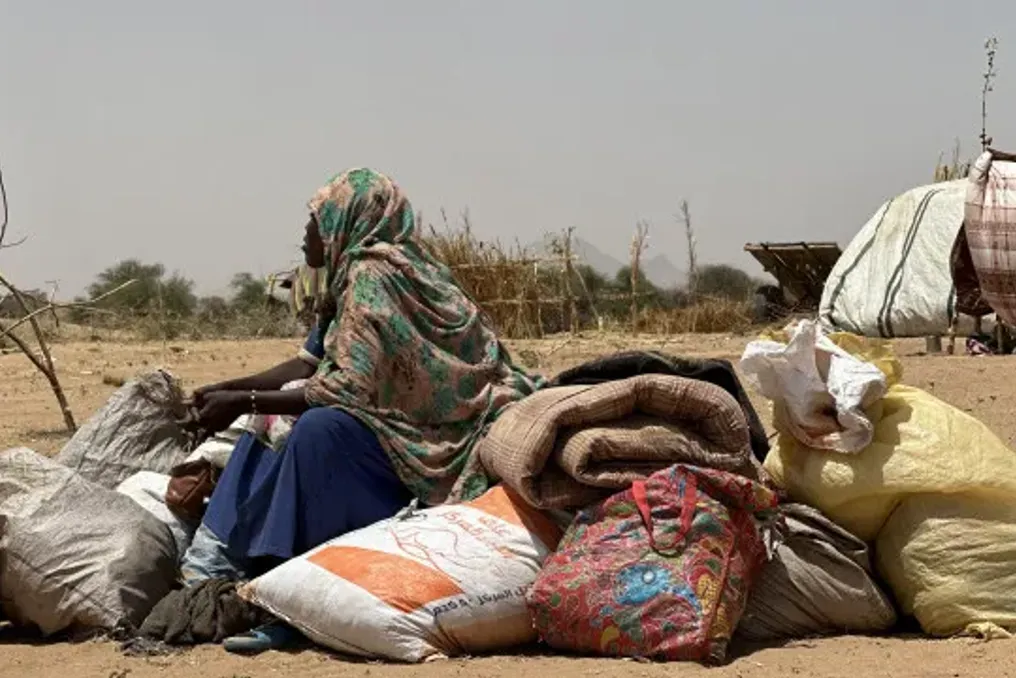
UNICEF registered a total of 444,556 internally displaced persons over the first seven months of this year. Additionally, in July alone, more than 13,400 refugees and returnees arrived in the country from neighboring Sudan.
These new arrivals raise the total number of people who have crossed the border into South Sudan since the start of the war in Sudan in April 2023 to approximately 1.4 million, according to data provided by UNICEF.
The organization highlighted that humanitarian needs remained critical in July due to the combination of conflict, displacement, food insecurity, climate crises, and the continuous flow of people from Sudan, severely impacting the most vulnerable populations.
Displacements are mainly concentrated in areas affected by both armed confrontations and extreme weather events, where the population faces growing difficulties in accessing food, healthcare, and other essential services.
UNICEF also signaled a worsening of humanitarian access during the analyzed period. Incidents hindering aid operations increased by 51% between January and July, compared to the same period in 2025.
Access to assistance has been hampered by a series of factors, including armed conflict, movement restrictions, illegal checkpoints, bureaucratic hurdles, as well as floods and poor road conditions, preventing aid from reaching the most isolated communities.
The situation is particularly severe in the regions of Jonglei, Upper Nile, and Unity states, where humanitarian service provision has been interrupted for several months due to insecurity and displacement.
In West Akobo, located in Jonglei, UNICEF observed that many families depended on wild food resources for survival, while support services had been practically paralyzed for months due to insecurity.
It is estimated that about 10 million people in South Sudan require humanitarian assistance, with 5.3 million of them being children. Furthermore, there are approximately 697,000 children at risk of developing severe acute malnutrition.
The humanitarian response still faces a serious funding shortage. At the end of July, the UNICEF appeal titled 'Humanitarian Action for Childhood 2026' had received only 44% of the necessary resources. UNICEF warned that without additional financial input, vulnerable children and families may face increasing difficulties in accessing vital assistance and other essential services.