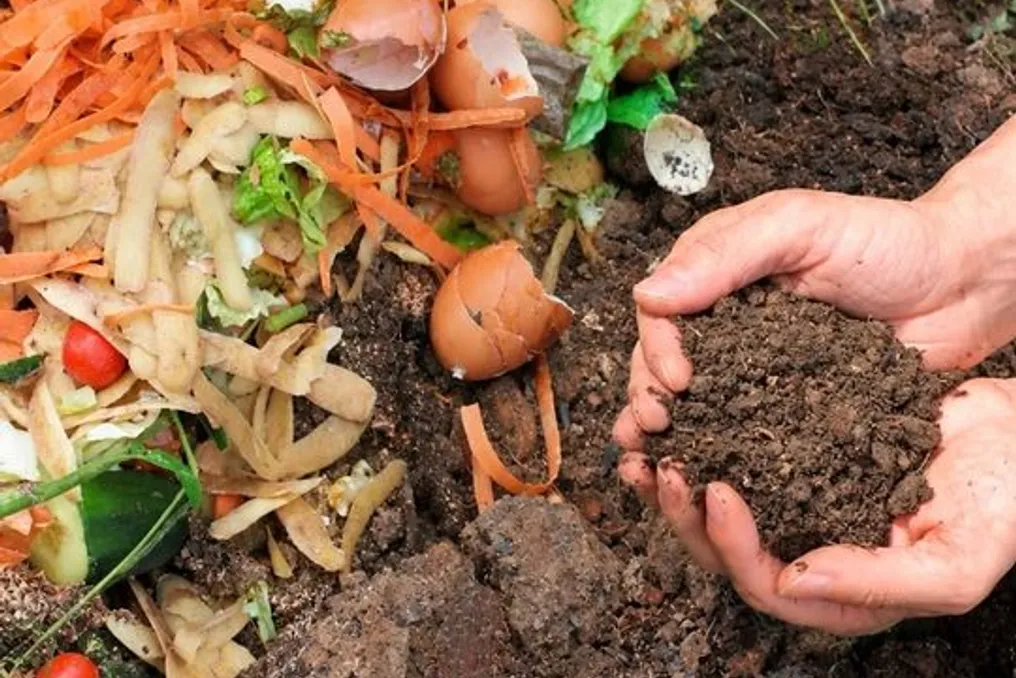
Disposing of biodegradable waste can be challenging, especially in rapidly developing urban areas. However, composting offers a simple solution for reducing trash while simultaneously creating rich, nutrient-filled fertilizer for the garden.
Manushri Ladia, a terrace gardener from Gazibabad, has been composting all her kitchen scraps for the past four years. With the compost made from ordinary trimmings, she has transformed her balcony garden into a green oasis.
Manushri notes that composting is not as difficult as many people think. She asserts that daily kitchen waste can easily be converted into compost containing all the necessary nutrients for healthy plant growth.
Manushri uses a simple method to create compost at home. She starts by laying leaves at the bottom of the container, then adds coconut fiber. After this, she mixes kitchen waste such as vegetable peelings, fruit peels, eggshells, as well as used tea or coffee grounds.
To ensure proper decomposition of the compost, Manushri regularly turns the pile. She continues to add kitchen waste as it accumulates, monitoring the balance of materials and ensuring good aeration.
To improve the quality of the compost heap, Manushri adds a little coconut fiber and sugarcane syrup water. This extra step accelerates the decomposition process and improves the texture of the compost, making it ideal for plant growth.
She prepares different types of compost, using specific kitchen waste for different types of plants. For example, compost made from garlic and onion peelings is rich in potassium, making it excellent for growing chili. Compost from banana peels, rich in potassium, is perfect for vegetables and fruit trees.
Manushri also produces compost from tea leaves, which she believes are particularly beneficial for flowering plants like roses. She explains that tea leaf compost improves soil quality, accelerates growth, and flowering.
Furthermore, compost obtained from citrus peelings, such as mosambi and orange, is rich in essential elements like nitrogen, phosphorus, and potassium.