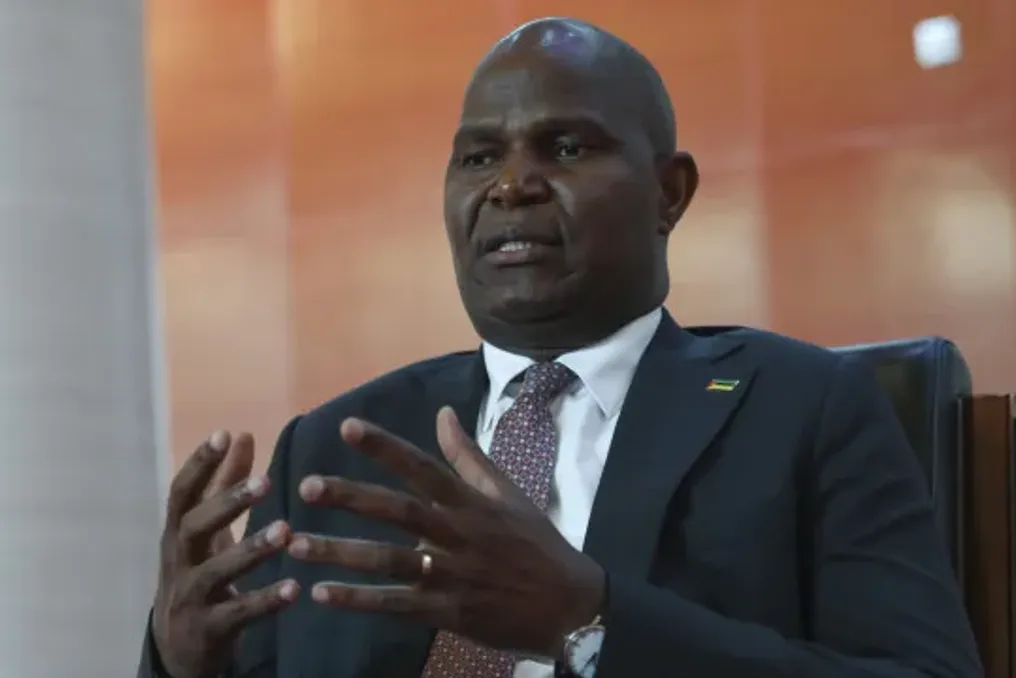
Speaking at the opening of the First National Conference on Food and Nutrition Security under the slogan 'Food and Nutrition Security: A Collective Responsibility for Mozambique's Development,' Chiapo stated that the country possesses fertile lands, river water resources, and all necessary conditions for adequate population nutrition and transforming agriculture into a source of income. He thereby questioned the prevalence of malnutrition, especially among children.
Chiapo noted that the rate of chronic malnutrition among children under five years old remains at approximately 37% nationwide, reaching about 50% in some provinces.
Faced with this situation, the head of state posed a simple yet crucial question: how can a country with so much land, water, producers, and potential continue to have so many children deprived of the necessary nutritional conditions to fully realize their potential?
The head of state of Mozambique expressed bewilderment as to how provinces with high agricultural production rates could record high levels of malnutrition, suggesting that the cause lies in a lack of proper dietary habits.
He emphasized the need to increase production, reduce post-harvest losses, improve storage, processing, logistics, and markets to ensure that safe, nutritious, and diverse food products are available to families at affordable prices. Essentially, the entire chain from farm to Mozambican family must be considered.
The head of state aims for agriculture to become increasingly integrated into industrialization, while Mozambicans consume national products and producers are rewarded for their efforts.
Therefore, he demanded that the Mozambican Grain Institute (ICM) control prices in agricultural trade, arguing that only this can ensure higher profits for farmers. He stated that the ICM should act as the last buyer of national produce so that producers are not exploited by those who set prices. He added that a producer who works hard and selflessly for years receives no incentive to produce if the price is not determined by their labor, which constitutes the actual exploitation of the Mozambican people.
In the same statements, Chiapo called for accelerating the implementation of the strategic policy for food and nutrition security for the period 2024–2030 and reducing chronic child malnutrition.
Chiapo sees the transformation of the food system through increased productivity, reduced losses, promotion of processing, strengthening markets, and ensuring access to verified, safe, and nutritious foods.
He called for enhanced intersectoral coordination and resource mobilization, creating conditions where public, private investments, and partner contributions will positively impact the lives of Mozambicans. It was also noted that monitoring accountability and responsibility for commitments needs to be strengthened.
The conference will conclude with a declaration of intent regarding specific measures to combat hunger and malnutrition.