Global city rankings serve as a tool to analyze how urban environments support daily life. The Global Liveability Index, compiled by the Economist Intelligence Unit (EIU), evaluates 173 cities considering factors such as stability, health, culture, and environment, in addition to education and infrastructure, mapping long-term trends and annual changes.
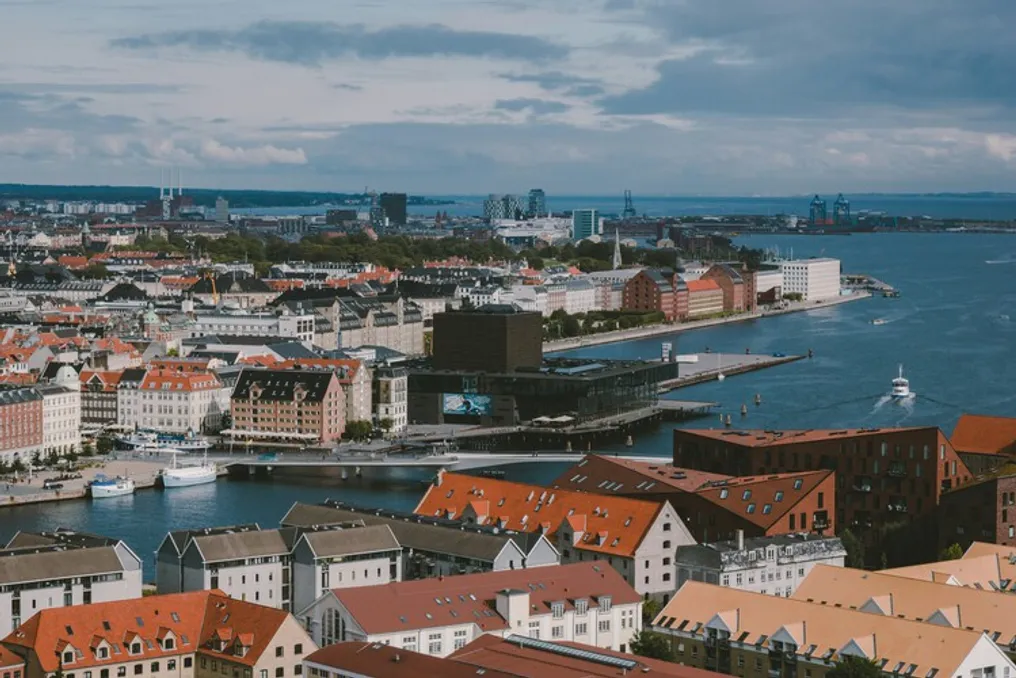
In the 2026 edition, Copenhagen was again named the most livable city on the planet, maintaining the first place for the second consecutive year. The Danish capital achieved an overall score of 98 out of 100, reaching the maximum score in the categories of stability, education, and infrastructure. The global average remained stable at 76.1, although improvements observed in health, education, and infrastructure compensated for persistent declines in stability.
Western Europe remained the region with the highest score, presenting an average livability of 91.7. In contrast, Asia showed the greatest progress, raising its average by 0.3 points to 73.9. Nine Asian cities entered the top twenty, partly benefiting from increased public investment that improved health indices in Chinese municipalities.
Among Asian cities, Fuzhou made the biggest leap, advancing seven positions to 93rd place, while Tokyo also rose, securing 10th position. The top ten spots are mostly occupied by cities located in Australia, Switzerland, Japan, Canada, and Austria, including Sydney, Zurich, Geneva, Osaka, Adelaide, Vancouver, and Tokyo.
Despite isolated advances, stability remains the area most affected by the index, with average scores dropping by 0.5 points among the 173 analyzed cities. The most notable deterioration occurred in North Africa and Southwest Asia, regions where the regional average suffered a one-point drop. Muscat and Kuwait City registered the largest reductions, losing 14 and 12 positions, respectively. Furthermore, Tehran dropped to 164th place, entering among the bottom ten. At the end of the ranking, Damascus is listed as the least livable city in the world, followed by Tripoli.