
Five day trips in South Africa where children can create things with their own hands
Read more
Getaway
getaway.co.za

Five day trips in South Africa where children can create things with their own hands

A family weekend becomes even more memorable when children return home with items they made themselves. Such practical activities, whether pottery, candle making, bread baking, or traditional crafts, turn a trip into a creative adventure.

At Clay Cafe in Hout Bay, families can add a creative touch to a typical family getaway by choosing a ceramic item and turning it into their own piece of art. This family-friendly spot features over 180 ceramic pieces, including figurines, plates, and mugs. Children can select a favorite item, paint and personalize it before the finished piece becomes a keepsake souvenir. Additionally, there are branches in Paarl, Pretoria, Lanseria, and Johannesburg across South Africa.

This is a simple option for families who want the activity itself to be the main event, while still having the option to have lunch afterward. You can create a personalized ceramic mug, plate, or figurine toy.

Soltribe's craft programs in Constantia focus on mastering practical skills and hands-on work. The program changes throughout the year and includes activities such as leatherwork, candle making, felting, basket weaving, reed work, and clay. These programs have been offered to children aged three to six and seven to fourteen, during which the children created various projects and took their creations home. This is especially good for children who enjoy taking things apart, putting them back together, and figuring out how things work. Depending on the workshop, you can make anything from a candle to a leather or woven craft item.

A trip to Cape Winelands doesn't necessarily have to revolve around wine. At the historic farm Babylonstoren in Soetmelksvlei, practical culinary workshops put traditional farming skills at the center of the experience. The current program includes baking workshops using seasonal produce, where participants learn practical baking skills and take their creations home. Upcoming workshops include fruit baking, chocolate cake, butter and buttermilk rusks, and hearty breads. It should be noted that these workshops are not exclusively for children, so they are best suited for older children or families who can attend a suitable session together. As a result, you can get fresh bread, pies, cakes, or other seasonal dishes, depending on the chosen workshop.

If you want the children to leave with something more substantial than a photograph, visit a pottery studio. Claytopia in Johannesburg offers creative clay modeling sessions for children and teenagers, with classes divided by age group. Children learn pottery skills by creating useful small tableware and gifts; clay, glazes, and equipment are included in the price. The emphasis here is not so much on creating a perfect piece, but on exploring the possibilities that a lump of clay offers. Younger children can experiment with shaping and decorating, while older ones can develop more practical pottery skills.

For something different, you can visit an operating organic farm where children can see the food production process instead of just buying it in a store. At the organic farm Wegraakbosch, families can learn about organic farming and traditional cheese making. The cheese-making tour introduces visitors to the process of hand-making cheese over fire using traditional Swiss methods. Children can also collect eggs, feed calves, and try milking a cow by hand. This turns the farm visit into a more practical activity, offering curious children many opportunities for observation and participation. As a result, you can get cheese while learning about the origin of some ingredients and farm products.

Family leisure doesn't always require a grand attraction at the end of the road. Sometimes the best part is simply sitting with a lump of clay, kneading dough, pouring wax for a candle, or learning how milk turns into cheese.
Similar stories

Five Gastronomic Routes in South Africa as an Alternative to Wine Tours
Read more
getaway.co.za

Five Gastronomic Routes in South Africa as an Alternative to Wine Tours

Although wine routes are considered one of the most well-known travel options in South Africa, enjoying the landscapes, farms, and food along these roads does not necessarily require drinking wine. Throughout the country, food producers have created their own reasons to stop, taste, and explore.

These food-focused routes offer a different way to experience South Africa's famous culinary destinations, providing numerous opportunities for sightseeing and activities unrelated to wine tasting.

The Midlands Meander is already known for its rural landscapes, restaurants, farm stalls, and artisan goods, making it an ideal place to organize a gastronomic trip. Instead of following wineries, visitors should visit the farms and producers located between Howick, Nottingham Road, Ballgowan, and the surrounding areas. The official Midlands Meander features five scenic routes with food, drinks, markets, crafts, and outdoor activities.

A great start is cheese. At Indezi River Creamery, visitors can purchase handmade cow, goat, and sheep milk cheeses, as well as yogurt, butter, and kefir. The dairy shop also sells jams, preserved goods, pies, and other local products.

Next, you can continue your journey by stopping at the Karkloof Farmers’ Market, which features fresh vegetables and homemade baked goods. The wider Midlands also offers farm restaurants, cafes, and producers to explore. The market is open only on Saturdays from 8:00 AM to 12:00 PM.

The advantage of the Midlands is the ability to alternate meals with walks, bike rides, market visits, workshops, or visits to regional natural attractions. This turns the route into a complete nature getaway, rather than just a series of tasting stops.

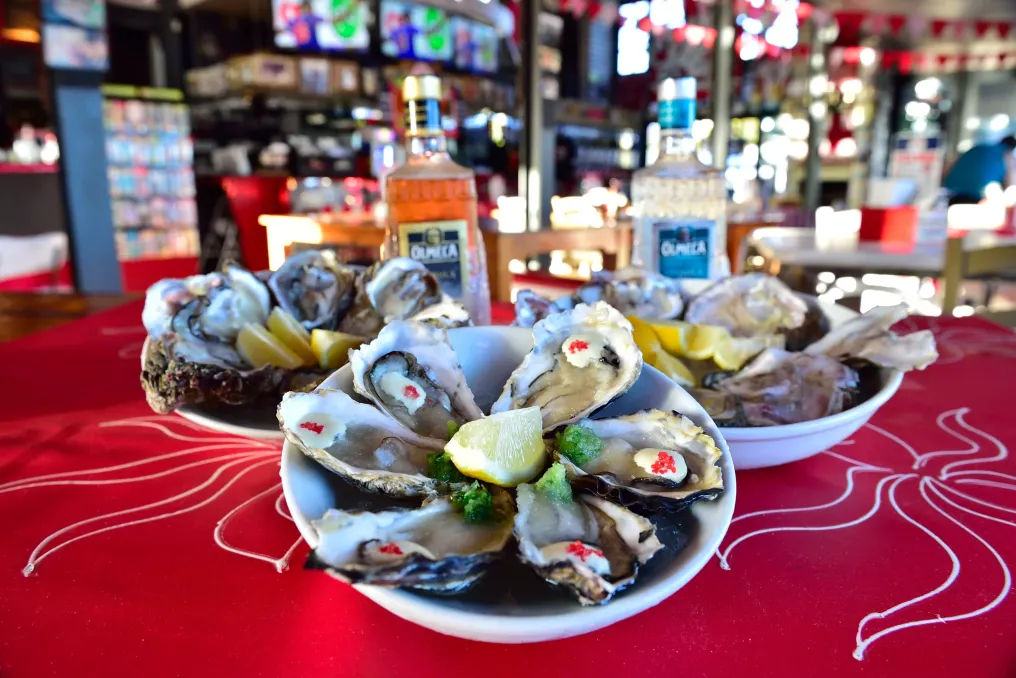
Knysna offers a coastal alternative to the traditional wine route, where the lagoon, forests, and ocean serve as a backdrop for a seafood-focused journey. Oysters are the perfect starting point. Wild Knysna oysters are found naturally on the southern coast of South Africa, and cultivated Pacific oysters are also available in the region.

Instead of simply ordering a dozen oysters at a restaurant, it is worth seeking out an experience that explains the origin of these mollusks. Knysna Charters offers oyster tours that include instruction on shucking techniques and distinguishing between wild and farmed varieties. Visitors can also take a lagoon trip dedicated to oysters.

Seafood is not limited to oysters. Local menus include mussels, line fish, prawns, squid, and other seafood, and fresh fish and seafood can be bought for self-cooking. Between meals, you can explore the Knysna Lagoon, head to Knysna Heads, walk in the forest, or spend time on the coast. The result is a gastronomic route where the landscape is as important as the dish on the plate.

A trip through the Karoo can easily turn into a gastronomic adventure of its own. Prince Albert, situated at the foot of the Swartberg Pass, is surrounded by farms and is renowned for fresh produce, local cuisine, and farm-to-table cooking. The city's tourism association highlights local delicacies, including Karoo lamb, artisanal cheeses, olives, fresh bread, and seasonal fruits and vegetables.

One can start with the region's famous lamb, whether by buying meat for a barbecue or tasting traditional Karoo cuisine at a local restaurant. Then, attention should be paid to seasonal produce such as figs, apricots, and citrus fruits, which appear at local markets alongside olives, cheeses, bread, and other homemade goods.

Prince Albert is more than just a dining spot. Its historic streets are adorned with Cape Dutch, Victorian, and Karoo-style buildings, and the surrounding mountains offer opportunities for hiking, cycling, and breathtaking drives. A trip through this area can also include the dramatic Swartberg Pass, connecting the Great Karoo and Little Karoo. Here, the gastronomic route becomes part of a larger Karoo journey, where farm produce and traditional cuisine give insight into the landscape.

Elgin is known as a region of cool climate and wine, but its agricultural landscape offers many reasons to visit without entering a tasting room. The valley is surrounded by gardens and farms, and local producers supply everything from fruits and juices to baked goods and fresh produce. Elgin Valley Tourism highlights blueberry areas, fruit juices, free-range chicken, artisan bakeries, and farm stalls among its gastronomic experiences.

Peregrine Farm Stall has served travelers in the valley since the 1960s and specializes in locally produced goods and homemade food. Its farm shop offers seasonal items, baked goods, preserves, honey, and fresh juices, while the bakery produces bread, pies, and other pastries.

Food stops can be integrated into a broader experience of Elgin. Depending on the season, one can explore gardens, visit markets, walk, or cycle in the surroundings, or simply enjoy the mountain scenery. Spring is particularly attractive in the valley when the hills turn green and the gardens begin to bloom. This is a reminder that a trip through the Winelands does not have to revolve exclusively around wine.

Franschhoek may be associated with wine, but there is another worthy route in this valley. The Franschhoek Artisan Food Route brings together producers of cheese, bread, olives, olive oil, meat delicacies, chocolate, and other local products. One can start with cheese, then add freshly baked bread, handmade chocolate products, meat delicacies, or olive products.

The route includes various producers, and the Franschhoek Village Market provides an additional opportunity to sample local food and fresh produce. The appeal of Franschhoek extends beyond food: the village has restaurants, cafes, galleries, shops, and mountain scenery, allowing for an easy full day of exploration between food stops.

The essence is to view vineyards as scenery, not as the final destination. Follow the food, stop at farms and markets, and maximize the valley's potential without planning the day around wine tasting.

Ultimately, the wine route is just one way to explore South Africa's agricultural landscapes. Tracing cheese through the Midlands, oysters around Knysna, lamb and farm produce in the Karoo, apples and baked goods in Elgin, or artisan products in Franschhoek offers a more relaxed pace of travel. The common thread is not what is in the glass, but what is grown, produced, and cooked along the road.

Five Cape Town Museums Worth Visiting During Heritage Month
Read more
getaway.co.za

Five Cape Town Museums Worth Visiting During Heritage Month

Heritage Month offers an opportunity to look deeper than just the beaches, mountains, and culinary scene of Cape Town by immersing oneself in the histories that have shaped this city. Cape Town's museums showcase the most diverse facets of the city: from fictional to unexpectedly fascinating, and some are suitable for family outings.

If you plan to explore the history and culture of Cape Town in September, these museums should be included in your list of visits.

Iziko South African Museum

Visiting the Iziko South African Museum gives you a chance to journey through millions of years of South African history without leaving the Company Gardens. The museum's collections cover the natural world, archaeology, and human history, including exhibits ranging from fossils and ancient artifacts to marine specimens and displays of human evolution.

The museum's location allows for easy combination with other attractions in central Cape Town. You can spend the morning at the museum and then head to the Company Gardens or continue exploring other cultural sites in the city.

Address: 25 Queen Victoria Street, Gardens.

Zeitz MOCAA

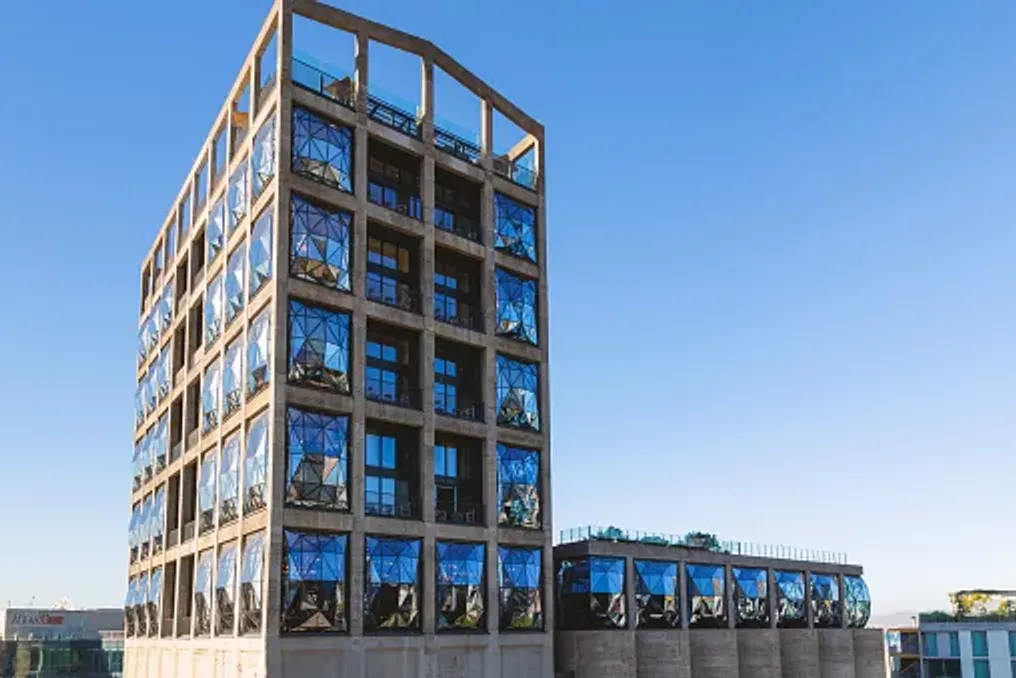
The Zeitz MOCAA focuses on contemporary African creativity and the discussions taking place on the continent and among its diaspora. The museum occupies a historic grain silo complex at the V&A Waterfront, making the building itself part of the exhibition. Inside the gallery, modern works from various countries, artists, and perspectives are presented.

This is a good choice if you want your Heritage Month outing to consider Africa's present and future alongside its past.

Address: Silo District, V&A Waterfront.

District Six Museum

To understand the more recent history of Cape Town, one can start with the District Six Museum, which offers an intimate space. The museum focuses on the experiences of people who lived in District Six before forced removals during the apartheid era changed the area. Personal stories and historical materials help visitors grasp the community that existed there and the consequences of its destruction.

This museum is more focused on listening to memories associated with a place that remains an important part of Cape Town's identity, rather than simply viewing exhibits.

Address: 25A Buitenkant Street, Cape Town CBD.

Heart of Cape Town Museum

Cape Town made a medical breakthrough in December 1967 when Dr. Christian Barnard and his team performed the world's first successful human heart transplant at Groote Schuur Hospital. The Heart of Cape Town Museum preserves the story of this remarkable moment, giving visitors insight into the medical team, the operation itself, and the hospital setting where it took place.

For those interested in science, medicine, or unusual chapters of Cape Town's history, this museum offers a completely different experience compared to the city's artistic and historical collections.

Address: Groote Schuur Hospital, Observatory.

Cape Town Diamond Museum

The history and economy of South Africa have long been closely linked to diamonds, and the Cape Town Diamond Museum provides a brief introduction to this topic. Located at the V&A Waterfront, the museum traces the diamond's journey from its underground origin through mining and the processes of transforming rough stones into polished gems. Exhibitions also include replicas of some of the world's most famous diamonds, including Cullinan.

This is a light addition to a Waterfront route if you want to fit in some history during a day of sightseeing.

Address: The Clock Tower, V&A Waterfront.

Cape Town's museums vividly demonstrate the city's multilayered nature. One visit can take you from prehistoric fossils to contemporary African art, while another can introduce you to personal stories related to apartheid-era displacement or a medical breakthrough that garnered international attention. This Heritage Month, replace your usual trip through Cape Town with a museum visit—perhaps you will leave with an understanding of a completely different side of the Mother City.

Cape Town Observatory Holds Night Tours and Open Evenings in September
Read more
getaway.co.za

Cape Town Observatory Holds Night Tours and Open Evenings in September

Residents of Cape Town looking for an alternative way to spend their evening can look up at the sky in September, as the South African Astronomical Observatory (NRF|SAAO) will open its historic facility for a series of night tours and open evenings.

Located at the Observatory on the grounds of the former Royal Observatory, NRF|SAAO combines astronomy with the history of one of the city's long-standing scientific institutions. The historic building of this site is recognized as a national heritage object.

Night tours offer visitors the opportunity to tour the observatory after dark while learning more about the history of astronomy in South Africa. The program includes visits to the Main Building, Visitor Centre, and Museum, as well as the historic McClain building.

Under favorable weather conditions, the evening may conclude with stargazing through telescopes set up for public viewing. Night tours are scheduled for September 8, 10, 15, 17, 19, 22, and 24, running from 8:00 PM to 10:00 PM.

For those who prefer to combine astronomy with a science-oriented presentation, the observatory is also hosting Open Evenings on September 12 and 26. These evenings begin with a lecture on astronomy or a related scientific topic, followed by guided tours of the observatory's heritage sections. Guests can see the library, museum, and the historic McClain telescope, and if the weather is good, stargazing will be offered through mobile telescopes.

Currently, Open Evenings are held at the observatory on the second and fourth Saturday of every month, making the September dates part of its regular public program.

Important Notes for Visitors

Although the opportunity to view the telescope is a significant part of the experience, it is not guaranteed. SAAO notes that stargazing depends on weather conditions; if conditions do not allow for telescope use, the planned astronomy and heritage events will still take place.

Visitors should also be prepared for an evening that requires moving between different locations. The observatory recommends wearing closed shoes and warm clothing, and advises bringing rain protection in case of expected rain.

Advance booking is essential as space is limited. SAAO also indicates that the tour fees support the observatory's education, public outreach, and socio-economic development programs.

Thus, September offers Cape Town residents several opportunities to visit the observatory after dark to replace ordinary evening plans with something focused on science, history, and the night sky.

Popular