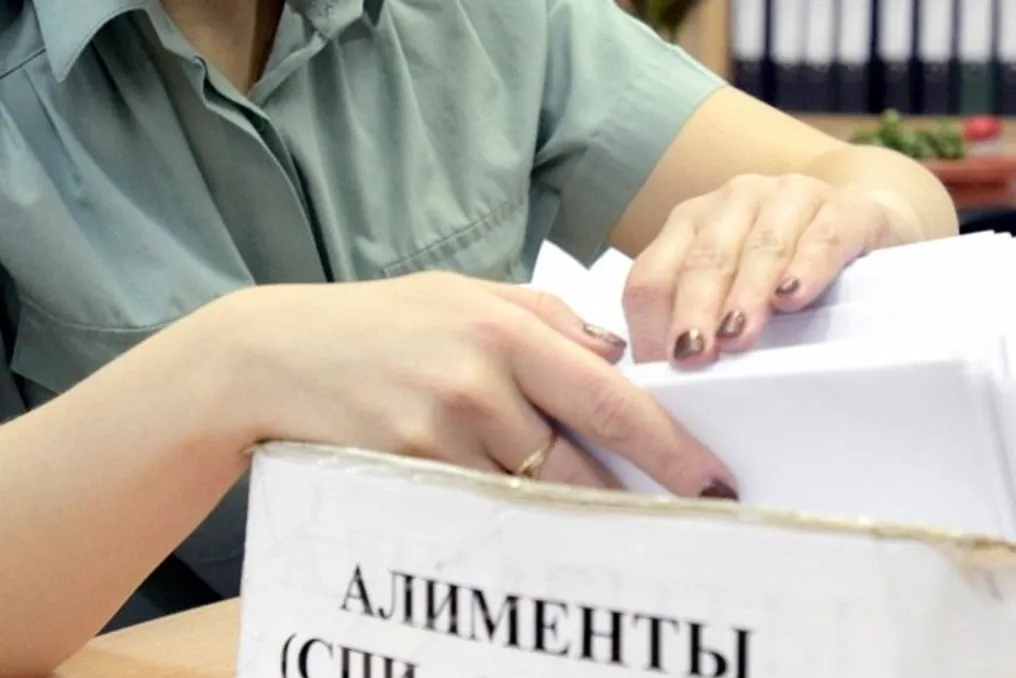
Uzbekistan discusses changing alimony calculation system linked to child's needs
Read more
Podrobno.uz [uz]
podrobno.uz

Uzbekistan discusses changing alimony calculation system linked to child's needs

A proposal has been put forward in Uzbekistan to revise the methodology for determining the amount of alimony. Instead of linking payments to the parent's official earnings, the initiative's authors insist on taking into account the child's age and their actual maintenance needs.

Dilnoza Kattakhonova, Deputy Prime Minister and Chair of the Committee on Family and Women, presented this idea for discussion in the Senate. She noted that some parents deliberately understate their real income or take low-paying jobs to minimize the alimony amount, putting children in a situation where the received sum is insufficient even to cover daily necessities.

To solve this problem, it is proposed to introduce the concept of a minimum consumer basket, which will be differentiated depending on the child's age group. It is planned that the minimum alimony amount will be calculated based on the cost of this established basket.

Currently, the alimony amount directly depends on the parent's income: one-quarter of the earnings is collected per child, one-third for two children, and half of the income for three or more. There is also a lower threshold according to which the payment per child must not be less than 26.5% of the minimum wage, which is currently 360.4 thousand soums.

Thus, the new approach implies that the alimony amount will be determined not only by the official salary but primarily by the necessary expenses for providing for the child. Furthermore, changes to the collection mechanism itself are being considered; according to Kattakhonova, part of these procedures is planned to be gradually transferred to the private sector, based on international experience. Currently, the Enforcement Bureau performs the main function of collecting alimony.

As an example of the difficulty in complying with requirements, employees of the Enforcement Bureau previously found a man hiding inside a tandoor in Karmaninsky district of Navoi region who was trying to evade alimony payments.

Similar stories

Expenses for needy families on kindergartens, education, and travel in Uzbekistan will be covered by vouchers
Read more
podrobno.uz

Expenses for needy families on kindergartens, education, and travel in Uzbekistan will be covered by vouchers

Uzbekistan plans to expand targeted support for low-income families. Starting next year, the state will begin covering part of the costs associated with children's education and upbringing through a voucher system.

Children from families registered in the 'Social Register' will receive compensation for attending both public and private kindergartens, as well as for training at educational centers, transportation, and residence in student dormitories. This voucher will be valid for 12 months and will remain effective even after the family is removed from the register.

Additionally, working mothers will receive benefits from the Social Insurance Fund until the child reaches one year of age.

Changes in the criteria for inclusion in the 'Social Register'

By the end of the current year, the mechanism for including families in the 'Social Register' itself will be adjusted. Now, in addition to income levels, authorities will take into account factors such as chronic illnesses, degree of disability, total number of children, and the presence of relatives working abroad.

At a meeting chaired by Shavkat Mirziyoyev, it was noted that given the overall poverty rate in the country, which stands at 3.9% among families with children under three years old, this figure will increase to 6.5%.

New training programs and powers

There will also be changes in the work of district heads' assistants. For this category of employees, a special training center involving foreign experts will be established over two months. The best employees are planned to be sent for internships to China, Japan, and Turkey, and the most successful assistants to district heads may qualify for a bonus of up to 50%. A similar training system will also be introduced for mahalla bankers.

Districts will also be granted additional powers in carrying out infrastructure projects. They will be allowed to involve private businesses in the design, construction, and quality control stages. For projects aimed at creating jobs in difficult mahallas, republican authorities have proposed increasing local funding two to three times.

Popular