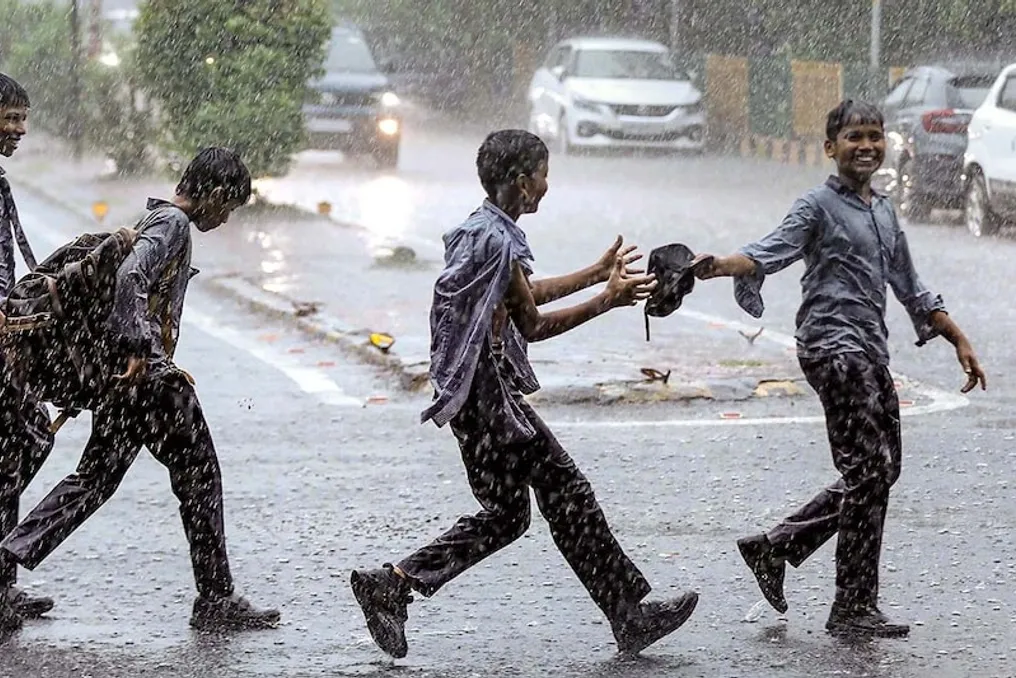
The climate crisis is no longer solely an issue of weather or ecology; it has reached the sphere of education and children's access to schooling. According to a new study by the UN Children's Fund (UNICEF), in 2025, at least 171 million students worldwide had their education interrupted due to floods, hurricanes, heatwaves, and other natural disasters. Among these affected children are more than 26.1 million from India, accounting for about 15% of all affected students globally.
The report, titled 'Learning Interrupted: Global Snapshot of Climate-Related School Disruptions in 2025,' analyzed data from 106 countries. In India, the primary factor disrupting the educational process was hurricanes, which led to class closures due to school flooding, building damage, or extreme heat. These interruptions in schooling are not limited to a few days; frequent school closures lead to a loss of learning momentum and increase the risk of dropping out of school in the long term.
Globally, hurricanes affected the education of approximately 109 million children, floods affected at least 70 million, and heatwaves affected around 50 million. The situation is exacerbated by school closures, the need to switch to distance learning, or reduced attendance. For example, in Pakistan, over 28 million children's education was delayed due to monsoon floods, and the same number of children were affected by hurricanes in Egypt.
For India, this statistic raises serious concerns due to its large population and high level of climate risks. Frequent attacks in the form of hurricanes, floods, and heat weaken the education system. Multiple learning interruptions were observed in 40 countries during the year, with similar incidents recorded in countries such as Madagascar and Spain.
Approximately 75 percent of the 171 million affected students live in low- and lower-middle-income countries. These nations lack the resources to ensure school safety and rapid recovery after disasters. The risks are higher for girls: school and toilet damage, forced family displacement, or reduced income can place domestic responsibilities on young women, hindering their return to school and increasing the likelihood of early marriage.
UNICEF predicts that if no action is taken, the affected children in 2025 could lose at least $20 trillion in future earnings, which would also negatively impact poverty reduction and productivity.
Katrin Russell, Executive Director of UNICEF, emphasizes that climate catastrophes pose a threat to both the lives and the future of children. She considers it vital to strengthen school infrastructure, create mechanisms for continuing education during disasters, increase funding, and educate children about climate issues. It is also important to use data for more accurate risk forecasting.
Future risks will increase: by 2050, a threefold increase in the threat of extreme heat and an eightfold increase in flood risk are expected. Therefore, preparation must begin immediately. Schools are not just buildings; they are the path to children's dreams, and protecting this path from the climate crisis has become not a choice, but an urgent necessity. Ensuring the safety of every child's education requires joint efforts from governments, local communities, and international organizations.