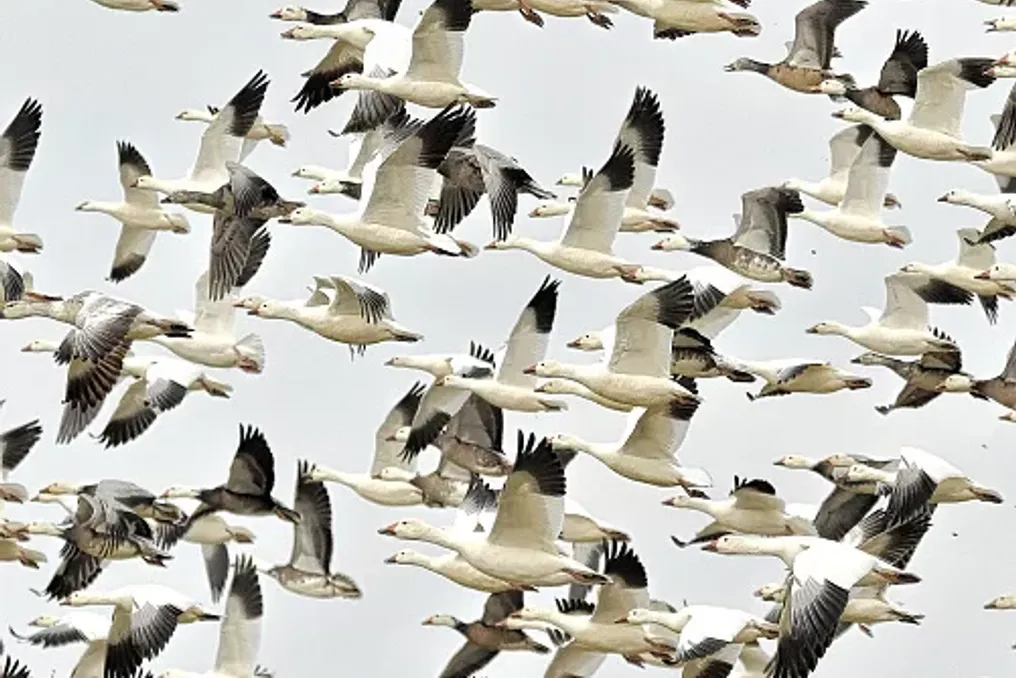
A new global report points to growing threats for migratory birds during their continental migrations, revealing that about half of the world's species of these birds are currently experiencing population decline.
The report, prepared by BirdLife International, showed that 45% of migratory bird species are showing population decline, and one out of nine species is endangered.
These findings were presented at the Global Migratory Pathways Summit in Nairobi, Kenya. At the event, conservation organizations and governments called for increased international cooperation to protect the habitats upon which birds depend throughout their migration routes.
Migratory birds are capable of covering thousands of kilometers between breeding and feeding grounds, crossing numerous countries and ecosystems. This makes them particularly vulnerable to changes in the areas they use.
According to the report, the main threats to migratory bird populations are climate change, habitat loss, invasive species, and unsustainable hunting.
Wetlands, forests, coastal zones, and marine areas play a critical role, providing birds with food and safe resting places during their journeys. The loss or degradation of even one of these vital areas can negatively affect birds along their entire migratory paths.
The CEO of BirdLife International, Martin Harper, stated that the data obtained serves as a clear warning, as 45% of migratory bird species are in decline, and one in nine faces the risk of extinction. He also emphasized the need for countries to work together, given that migratory birds regularly cross international borders.
Leaders, scientists, and conservation organizations at the summit signed the Nairobi Migratory Pathways Declaration, committing to strengthening cooperation to protect the wetlands, forests, coastal, and marine habitats upon which migratory birds depend.
Migratory birds are an integral part of many of the world's natural landscapes, and their seasonal movements are of significant interest to birdwatchers and nature enthusiasts. These habitats, ranging from grasslands and wetlands to forests and coastlines, offer opportunities to see species that may only briefly visit the area.
Thus, protecting these ecosystems can benefit both wildlife and people who visit these sites along major migration corridors. The latest findings underscore the close relationship between these areas, showing that conserving a wetland or coastal habitat in one country can be part of larger efforts to protect birds throughout their migration journey.