The Most Unusual Animals of South Africa and Their Habitats
Read more
Getaway
getaway.co.za

The Most Unusual Animals of South Africa and Their Habitats

The continent of Africa is home to numerous amazing animals that have developed exceptional physical features for foraging, environmental orientation, or survival in harsh conditions. Some of them look as if they were created by an entirely imaginary mind. Among these creatures are the long-eared foxes, aardvarks, and tiny giraffe beetles, which offer travelers a different perspective on African wildlife.

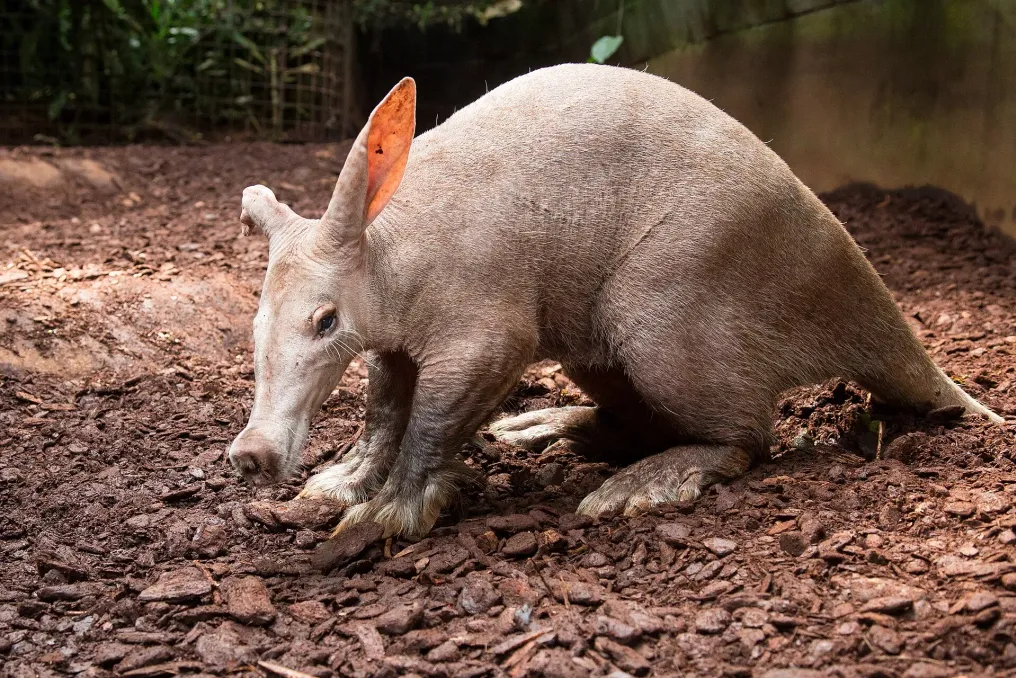
Aardvarks possess perhaps the most unusual combination of traits among African animals. They have long ears, a pig-like snout, powerful claws, and a thick tail—all adaptations that help them survive as nocturnal insectivores.

Aardvarks

These animals spend most of their time underground, emerging at night to search for termites and ants. Their strong claws allow them to dig burrows, which can subsequently serve as shelter for other species. Aardvarks are found across most of Southern Africa, as well as in Namibia, Botswana, Zimbabwe, and Mozambique. Opportunities to see them are provided by reserves such as Tsavo Kalalahari Reserve and Kgalagadi Transfrontier Park in the drier regions of the country.

Despite their name and resemblance to hyenas, the aardvark is a highly specialized insect eater. Its diet consists mainly of termite gatherers, which it collects using its sticky tongue. Unlike many carnivorous mammals, it does not hunt large prey.

Aardvarks are widespread throughout Southern Africa and can be found in suitable grassland and scrub habitats. They are particularly associated with areas where their preferred termites are abundant. Among the places where visitors might encounter them are Tsavo Kalalahari Reserve, Kgalagadi Transfrontier Park, and parts of the Eastern Cape.

The long-eared fox looks as if someone designed a fox around its ears. These enormous ears are not just a peculiar feature; they help the animal locate insects underground and under vegetation. This species is closely associated with termites and other insects, and its distribution across Southern Africa generally corresponds to areas where these food sources are available. It is found in Namibia, Botswana, and South Africa, among other countries.

Kgalagadi Transfrontier Park is one of the most famous destinations for observing long-eared foxes, while parts of the Northern and Western Cape are also within its range.

Compact, strong, and unmistakably recognizable, the badger-bear is one of the most characteristic mammals of Southern Africa. It belongs to the family Mustelidae, which also includes otters, weasels, and mongooses.

Badger-Bear

It has a varied diet that includes small mammals, reptiles, insects, and other available food. Despite its name, honey and bee larvae constitute only a part of its diet. They are widely distributed but difficult to spot, as they are usually solitary and cover large territories in search of food. The Kalahari and other arid regions of Southern Africa provide suitable habitats, including areas around Kgalagadi Transfrontier Park.

However, for one of the strangest-looking creatures on this list, one must leave South Africa. The giraffe beetle originates from Madagascar, where it is known for its extremely long neck. In males, the elongated neck is used during contests with other males and is one reason why the insect strikingly resembles a miniature giraffe.

Madagascar is home to an extraordinary number of species found nowhere else on Earth, making it a fascinating destination for travelers interested in unusual wildlife. The giraffe beetle is associated with local forests, where it feeds and reproduces on its host plants.

These animals demonstrate an exceptional range of adaptations found throughout Africa. Aardvarks have specialized diets, aardvarks possess powerful digging abilities, long-eared foxes use their huge ears to find prey, and badger-bears are wonderfully adapted generalists.

The giraffe beetle elevates unusual wildlife to a new level due to a physical trait that evolved for male competition. For travelers, spotting these species requires patience and an interest in the fine details of the landscape. Some are nocturnal, others secretive, and many spend most of their time searching for food away from busy tourist routes. This makes the reward of observing them in the wild especially memorable.

Similar stories

Animals Returning to South Africa in Spring Demonstrate Scale of Migrations
Read more
getaway.co.za

Animals Returning to South Africa in Spring Demonstrate Scale of Migrations

In spring, animals arrive in South Africa from incredibly distant places across the country. Some cross continents, others move from the cold waters of the Southern Ocean, or travel south in search of seasonal opportunities for breeding and feeding. These journeys bring swallows back to the skies, waterfowl to coastal wetlands, and whales near the Cape Town coast.

Spring is largely a season of arrivals for South Africa. Below are some remarkable animals that return annually, and locations where travelers have the best chance of seeing them.

Some seasonal arrivals are as impressive as the migration of southern right whales. Every year, these massive marine mammals migrate from feeding grounds in Antarctica to the relatively protected waters along the South African coast for mating and calving. Among the most famous whale-watching spots in the country are Hermanus and Walker Bay, where the animals are typically present from June to November. September, October, and November are particularly reliable months for sightings.

Hermanus is an obvious starting point. Its famous Cliff Path allows visitors to watch whales from land, often without getting into a boat. The adjacent Walker Bay is an important breeding and calving ground during the winter and spring months.

Additionally, memorable opportunities to see southern right whales can be found in De Hoop Nature Reserve, Witstrand, and along the Cape Agulhas coast. Spring travelers can turn a whale-watching trip into a broader coastal getaway, combining marine wildlife with walks through the fynbos, beaches, and the dramatic nature of the West Cape.

If you look up in the sky in spring, you can notice one of the most familiar signs of the season: the return of swallows to South Africa. Barn swallows are migratory species that appear in the warmer months, while other types of swallows also become a familiar part of South Africa's summer bird fauna. In the Kaggalagadi Transfrontier Park, SANParks lists barn swallows, large-tailed swallows, Cape rock swallows, and white-throated swallows among the birds seen in summer.

Their appearance serves as a reminder that migration does not always require a trip to a well-known reserve. Sometimes one of nature's greatest annual movements can be observed from a garden, farm, wetland, or roadside.

Swallows can be found in many parts of South Africa during the warm months, especially in open landscapes, wetlands, and areas with abundant flying insects. For bird lovers wishing to turn migration into a targeted wildlife viewing trip, the country's national parks and protected areas offer the opportunity to seek out many more summer visitors simultaneously.

Spring is a particularly important period in the West Coast National Park, where the Langebaan Lagoon becomes a stopover and seasonal home for migratory waterfowl. This lagoon is part of a Ramsar international wetland, and many of its waterfowl species are Palearctic migrants. SANParks notes that the best time to visit these birds is in summer, especially September, when migrants return after their transcontinental flights.

The park's wider wetland system can support tens of thousands of waterfowl in the summer, including resident Palearctic migrants. One of the best spots for watching waterfowl around the lagoon is Heelbeuk shelter. SANParks recommends visiting at low tide, when the water comes in, gradually bringing the birds closer to the shelter before they eventually leave. Among the birds that may stay the longest are annuals, crested, and sandpipers. This makes the park a particularly valuable spring destination: one day can include migratory birds, coastal scenery, hiking, and cycling, with the blooming season adding another layer to the September visit.

Some spring arrivals are easier to hear than to see. A changing composition of migratory birds, including cuckoos, appears in South Africa during the warm months. In the Kaggalagadi Transfrontier Park, species such as the Diederick's cuckoo and the Jacobin cuckoo are among the birds associated with the summer season. Their calls can become part of the soundscape of the changing season, especially when warmer weather and summer rains transform the habitat and increase food availability.

The northern and eastern parts of South Africa are particularly favorable for birdwatching in summer, as national parks and bush destinations offer a combination of resident and seasonal guests. Kruger National Park, Limpopo Bushveld, and KwaZulu-Natal protected areas are all strong options for travelers interested in how much bird life can change between winter and summer.

The key is to slow down. A spring wildlife trip is not always about finding the 'Big Five'. Sometimes the most memorable encounter begins with an unfamiliar call from high up in the trees.

The brightly colored European roller is another reminder of how far seasonal visitors to South Africa can travel. South Africa is home to over 100 species of migratory birds, according to BirdLife South Africa. The European roller monitoring project helps researchers understand the amazing journeys of rollers between South Africa and breeding grounds in Central Asia. Tracking has shown that these birds can undertake migrations up to 15,000 km long.

European rollers are associated with the summer birdwatching season in the country and can add a flash of blue color during trips through suitable open woodlands and savannas. They are best sought in the northern regions of the country, where a bush trip in spring and summer can yield a completely different bird list compared to the cold months. For travelers, the appeal is partly in the unexpected: one of the most striking birds one might see by the roadside in South Africa may have recently completed an amazing international journey.

The changing season also brings movement high above the desert. The Kaggalagadi Transfrontier Park is one of South Africa's most exciting destinations for raptor watching, especially in the summer months, when migrating eagles, kites, and falcons fly through the park. SANParks lists migrating eagles recorded along the Nossob River channel, including steppe, Valberg's, bearded, and small spotted eagles. Other migratory raptors may include steppe buzzards, hawks, kites, and European kestrels.

The Nossob River channel is a particularly valuable area for bird activity. Acacia trees along the dry river systems provide important habitat for nesting and roosting, and the seasonal availability of food attracts many different birds. Bird life in the park changes drastically throughout the year. Of approximately 280 recorded species, only about 92 are permanent residents, with the rest being nomadic, migratory, and vagrant birds. Thus, a trip to Kaggalagadi in the warmer months can offer a different wildlife experience than a classic winter safari: keep scanning the sky between lion sightings, and you might spot one of the season's great aerial travelers.

Migration is not always spectacular or obvious. Some seasonal arrivals of South African birds are difficult to detect; they are threatened or restricted to increasingly fragmented habitats. This makes spring a vital reminder of how closely migration is linked to the health of wetlands, grasslands, forests, and other ecosystems along the animal's route.

Monitoring projects for the European roller, for instance, help determine migration routes and important stopover sites, giving conservation specialists a better understanding of the pressures these birds face in different countries and habitats. Travelers hoping to see rare or sensitive species should avoid disturbing nesting or breeding birds and should not collect animals for photographs. They should stick to established roads and trails, use reputable guides where possible, and remember that responsible wildlife interaction does not always mean getting close. Often, the best experience is achieved by giving the animal enough space for natural behavior.

The story of South Africa's spring migration ultimately reaches the coast of northern KwaZulu-Natal. Loggerhead and leatherback turtles return to beaches along the Isimangaliso coast to lay eggs, with monitoring taking place from October to February. This region is home to one of the world's longest sea turtle monitoring programs.

In Sodwana Bay, turtle nesting observation experiences are usually focused on November and December, when visitors can learn about nesting and conservation while adhering to strict rules designed to minimize disturbance. The iSimangaliso Park and Mpumalanga coast offer one of South Africa's most unusual seasonal wildlife experiences. Unlike traditional safaris, encountering a turtle requires patience, darkness, and careful management. Visitors should join responsible, authorized events rather than trying to find nesting beaches independently.

It is also a reminder that the wildlife season in South Africa does not end with the fading of flowers. As the country transitions into summer, another wave of animals arrives. From whales appearing off the Cape Town coast, to waterfowl returning to the Langebaan Lagoon, raptors flying over the Kalahari, and turtles beginning their nesting season in KwaZulu-Natal, spring reveals South Africa as part of a much larger natural map.

A trip to the West Coast in September can show exhausted waterfowl returning from a vast journey. A walk along the Hermanus cliffs can bring you face-to-face with whales that traveled north from Antarctic waters. Later in the season, the beaches of northern KwaZulu-Natal become part of another ancient return.
Rare Wildlife Species Inhabiting South African Provinces
Read more
getaway.co.za

Rare Wildlife Species Inhabiting South African Provinces

The wildlife map of South Africa is full of surprises. Besides the well-known lions, elephants, and rhinos, the country is home to tiny frogs, secretive rabbits, mountain birds, and reptiles that may consider a specific landscape their only home.

For travelers, this means that a wildlife trip does not always have to involve visiting a large reserve. Some of the most exciting encounters in the country only require a pair of binoculars, a good field guide, and a willingness to explore lesser-known habitats.

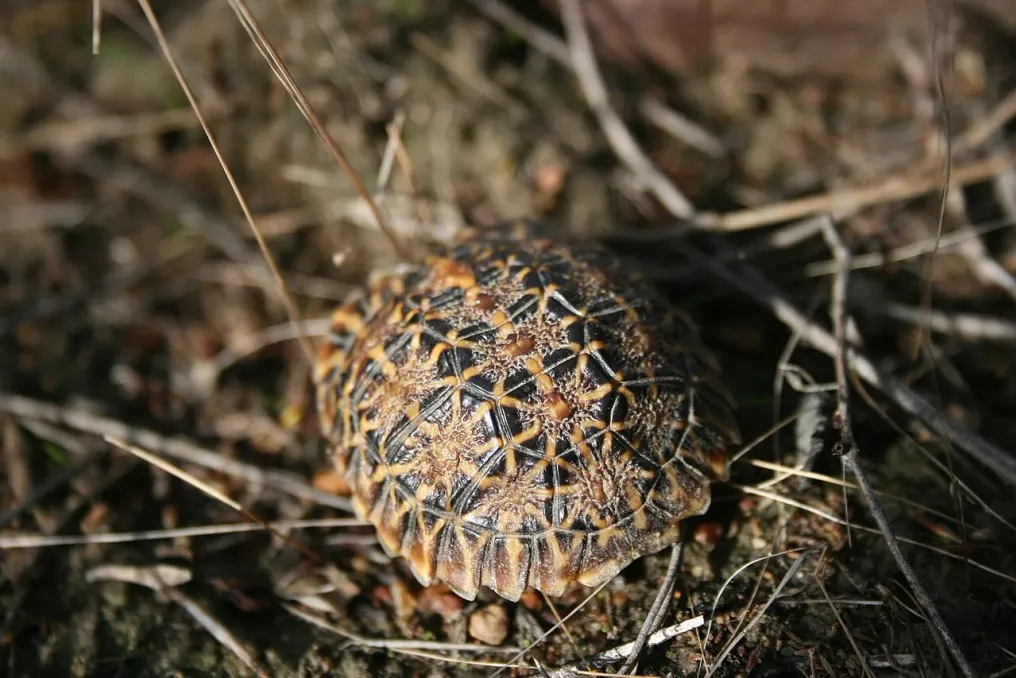
The Western Cape is one of the best places in South Africa for observing animals shaped by a unique environment. The Cape floristic region supports a huge number of endemic species, including the geometric tortoise, the Cape sugarbird, and the Cape rock climber.

The geometric tortoise is highly localized and found in the lowland landscapes of the Renosterveld and Cape fynbos. The Cape sugarbird, in turn, is closely associated with the protea-rich fynbos, where its long tail and characteristic call make it easier to spot compared to some of its smaller neighbors.

The Cape rock climber is another valuable species, though it should be noted that it is not exclusive to the Western Cape. Its range extends through the mountain fynbos into the Eastern Cape, where populations occupy high-altitude rocky slopes and ridges.

For amphibian enthusiasts, the fynbos wetlands of the province are home to several localized frog species, many of which are threatened due to habitat loss and climate change.

The arid Northern Cape may seem like an unlikely place to find rare wildlife, but its river corridors provide a vital habitat for one of South Africa's most elusive mammals—the river rabbit.

This species is critically endangered and extremely difficult to spot; it lives among dense vegetation along seasonal rivers. Its habitat is highly fragmented, making the conservation of remaining river corridors particularly important.

The province also offers mountain habitats for Hartmann's zebra and specialized reptiles adapted to the harshest conditions in the country.

The Eastern Cape is another province where wildlife rewards those who look beyond the obvious. The Cape mountain zebra is one of its iconic species, while Addo Elephant National Park is home to the famous dung beetle.

This remarkable beetle has evolved alongside large herbivores in the Addo landscape, reminding us that conservation is not just about caring for charismatic mammals. Protecting elephant populations can also save an entire network of smaller species dependent on the same ecosystem.

The subtropical coast and wetlands of KwaZulu-Natal support extremely localized wildlife. The Pickerel reed frog is perhaps the best example. Endemic to a narrow strip of the KwaZulu-Natal coast, it survives in fragmented wetlands, with an estimated occupied area of only 9 km².

The species is critically endangered, and conservation programs focus on protecting and restoring its remaining breeding sites. The forests and grasslands of KwaZulu-Natal also serve as habitat for samango monkeys and oryx, although neither of these species is exclusive to the province.

The Limpopo's northern forests and river systems offer a completely different wildlife experience. Narin's trogons can be found in mature forests, while the Pala fish owl is one of the most sought-after bird species in the province.

The latter is closely linked to large rivers and woodlands, where its dependence on healthy aquatic ecosystems makes it an indicator of river health. The Barberton Makhonjwa Mountains are known for their extraordinary geological history, but this region is also biologically unique. Its rugged terrain and isolated habitats support specialized reptiles and other species adapted to the unique conditions of the area.

The nearby Barberton mac is another layer to the story. Technically a plant, not wildlife, but it demonstrates why biodiversity hotspots cannot be neatly divided into animals and landscapes. Protecting one unusual landscape can save an entire community of life.

The Free State grasslands may lack the visual drama of mountains and forests, but they support some strikingly specialized species. The Boa thrush is one of the province's rarest birds. Its range extends into southeastern Mpumalanga, so it is technically not a Free State endemic, but eastern Free State remains an important part of its limited range. Habitat transformation and unsuitable land use have contributed to its decline.

Endemic and highly localized species are ecological specialists. If their habitat disappears, they often have nowhere to go. Therefore, their survival depends on the protection of specific wetlands, mountains, forests, rivers, and grasslands.

The takeaway for travelers is simple: wildlife viewing is not just about finding the biggest animal. Sometimes the most valuable sighting is the one that exists nowhere else in such a form.

Maintain distance, stay on marked trails, and never touch, feed, or intentionally disturb wild animals. For sensitive species, especially frogs and reptiles, avoid turning observation into a chase. Photography is not worth the damage to the habitat.

Travelers can also contribute to conservation by responsibly documenting sightings. iNaturalist allows users to document plants and animals, and observations help build knowledge and research on biodiversity.

Popular