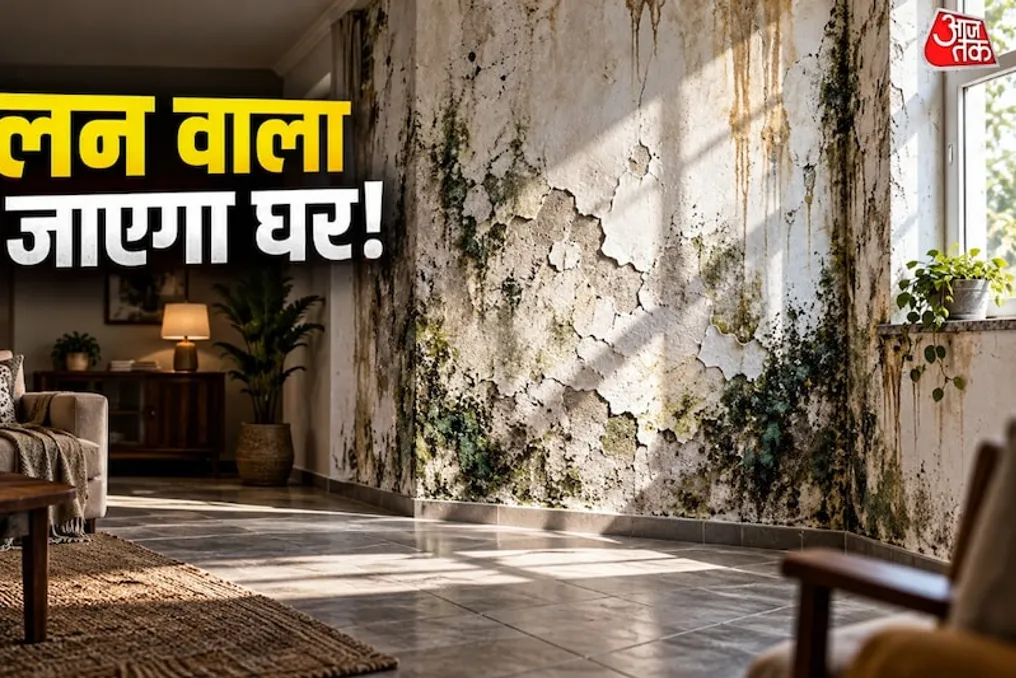
The rainy season brings relief from the heat, but simultaneously increases the problem of high humidity inside residential premises. Moisture bothers the house not only during the rain but also after it stops. Even though the rainy season passes, it leaves moisture and dampness in the dwelling. After the rains, spots appear on the walls of many houses, paint begins to swell, and an unpleasant odor appears in the rooms.
Often, when people see dampness on the walls, they immediately start thinking about the costs of painting or waterproofing, whereas the cause of the problem might be some small daily habits in the house.
If something similar is happening to your home, you should understand that the issue is not always due to poor coating or waterproofing. In fact, some small daily actions contribute to increasing humidity in the house. Habits such as drying wet clothes in the room or pressing furniture against the wall can gradually make the entire house damp. Let's look at these seven mistakes.
Firstly, drying wet clothes indoors. Since it can be difficult to dry clothes outside during the rainy season, many people hang them up inside the room. However, the water contained in the wet clothes evaporates slowly and increases the humidity in the air in the room. If there is no proper ventilation in the room, this moisture cannot escape and begins to settle on the walls.
Secondly, leaving windows open in high humidity conditions. It is pleasant to open windows for fresh air during rainy days, but if there is heavy rain or the rain has stopped, opening the windows can work against you. Moist air from outside and raindrops can penetrate inside, increasing humidity on windows, walls, and furniture.
Thirdly, ignoring humidity in the bathroom. The bathroom is one of the most humid areas in the house. During the humid season, the floor remains wet for a long time, towels are damp, and steam is present. If you do not use an extractor fan or leave the door closed after use, moisture can gradually spread to other parts of the house. It is necessary to wipe the bathroom floor after use and definitely turn on the extractor fan.
Fourthly, neglecting minor leaks on walls or roofs. As soon as the monsoon season begins, you cannot ignore slight dampness in the corner of the roof, window, pipe, or wall. If a small leak constantly supplies water and moisture, over time this can lead to damp spots, paint swelling, and an unpleasant odor.
Fifthly, pressing furniture tightly against the wall. To save space in the house, cabinets, sofas, or beds are often placed directly against the wall. However, in conditions of high humidity, this habit blocks air circulation between the wall and the furniture. The lack of air access between the damp wall and the furniture creates a risk of dampness and mold development.
Sixthly, using the air conditioner only for cooling. Even if the temperature is not too high, in a humid season, the room can feel sticky due to high moisture content in the air. In such cases, you can use air conditioners with a dehumidifying function (Dry Mode) to reduce excess humidity in the room, although you should choose the mode depending on the temperature and weather.
Seventhly, leaving wet shoes and umbrellas in the house. It is very common to leave wet shoes, umbrellas, and raincoats in some corner of the house after returning from a walk. But the water contained in these items slowly increases the humidity of the surrounding air. If wet items remain in a closed place for a long time, it can cause an unpleasant odor and the appearance of mold on some surfaces. Therefore, umbrellas, shoes, and raincoats should only be stored in the house after they have dried in a well-ventilated area.