As temperatures rise, people often resort to air conditioners and coolers to keep homes cool, leading to a significant increase in electricity bills. However, there is a way to keep a house cool without using high-tech devices. The answer lies in clay, similar to that used for making pitchers, which can cool both water and the structure itself.
This clay is called terracotta. Although the material may seem outdated, it is experiencing a revival in modern architecture. Terracotta is not only aesthetic but also possesses properties that help manage thermal loads, contributing to its growing use in sustainable construction and contemporary design.
What is terracotta?
Terracotta is made from natural clay. The clay is shaped into various forms and subjected to high-temperature firing, which makes it strong and durable. No synthetic materials are used in its production; the main raw material is natural clay, which was previously associated only with rural houses, pitchers, and tableware, but now holds a place in the design of ecological housing.
How terracotta, like a pitcher, provides cooling
The ability of clay to cool a house is related to its porous structure. The small pores in the clay are capable of absorbing moisture and slowly releasing it. This process is analogous to how a pitcher keeps water cool. Using terracotta tiles or screens allows this natural property to be utilized. With proper design and ventilation, this helps control the building's heating.
Application on the roof reduces direct sun exposure
The roof of a house heats up the most during hot weather, and this heat gradually penetrates the interior. Using terracotta tiles on the roof can help keep the house cool. These tiles can become part of an architectural solution covering the roof, thereby reducing the impact of direct sunlight and hot surfaces. Nevertheless, the effectiveness of this method depends on weather conditions, roof design, insulation, and ventilation.
Use as lattice structures on walls
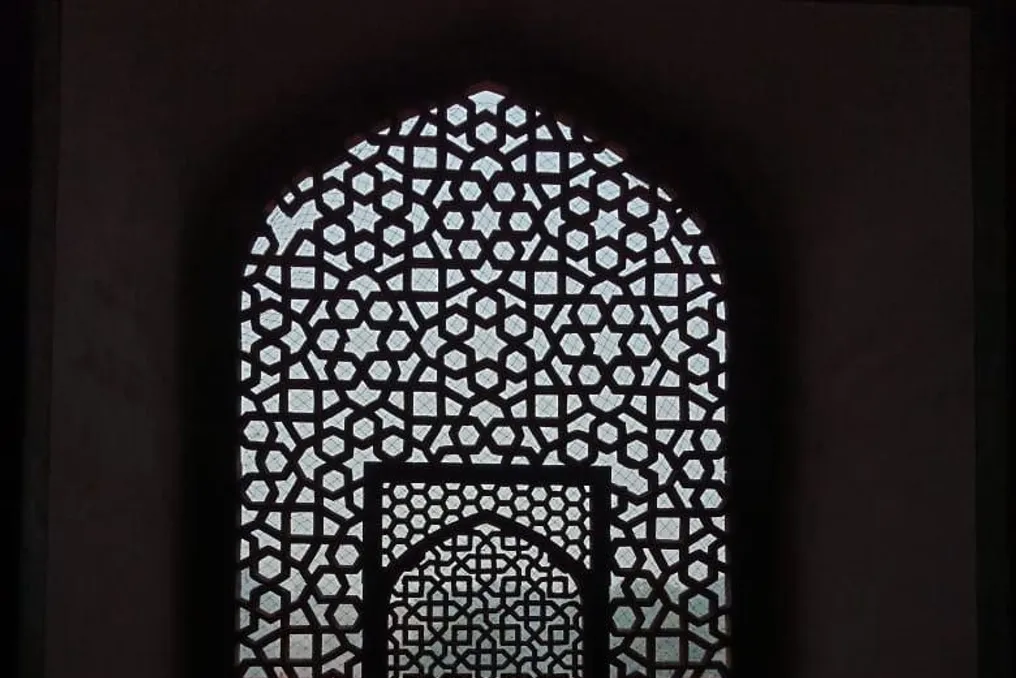
Terracotta is not only used as tiles; lattice screens and wall panels are also created from it. These structures have small gaps, allowing for air circulation. With intelligent design, such screens help protect the house from the sun while maintaining airflow. Thus, the wall ceases to be a completely closed surface and becomes a design element interacting with air and light, something observable even in old historical buildings.
Terracotta is used in many areas—from flooring to wall panels, facades, lattices, and decorative elements. It is particularly suitable for homes where owners aim for a natural and earthy look, as it gives the interior a special, beautiful appearance. Consequently, it is not just a cooling material but also an element that enhances the home's aesthetic appeal.
In India, construction from clay and the use of clay-like materials is not new. For a long time, clay, lattices, courtyards, and natural ventilation adapted to the local climate were used in different regions. However, the advent of concrete, glass, and modern construction technologies displaced these methods. People began using these new materials to create more stylish and designer homes, causing terracotta to be perceived as an archaic material. But today, as sustainable architecture, energy efficiency, and passive cooling are discussed, these old components are returning in new design forms.
Today, terracotta is not only used in old rural houses. Architects are applying it in modern facades, offices, resorts, and sustainable construction projects. That is, terracotta has not disappeared; we simply ignored it, considering it old-fashioned. Now, this clay is returning to modern architecture in a new guise.
It is important to understand that simply applying terracotta will not make a house as cool as an air conditioner. Maximum benefit is achieved through combined use with proper ventilation, shading, insulation, and thoughtful architectural design. The essence lies not only in the clay itself but in creating a home that harmoniously interacts with nature and manages heat without constantly relying on machines.