Mozambique calls for the preservation of culture as the foundation of national identity
Read more
Noticias ao Minuto
noticiasaominuto.com

Mozambique calls for the preservation of culture as the foundation of national identity

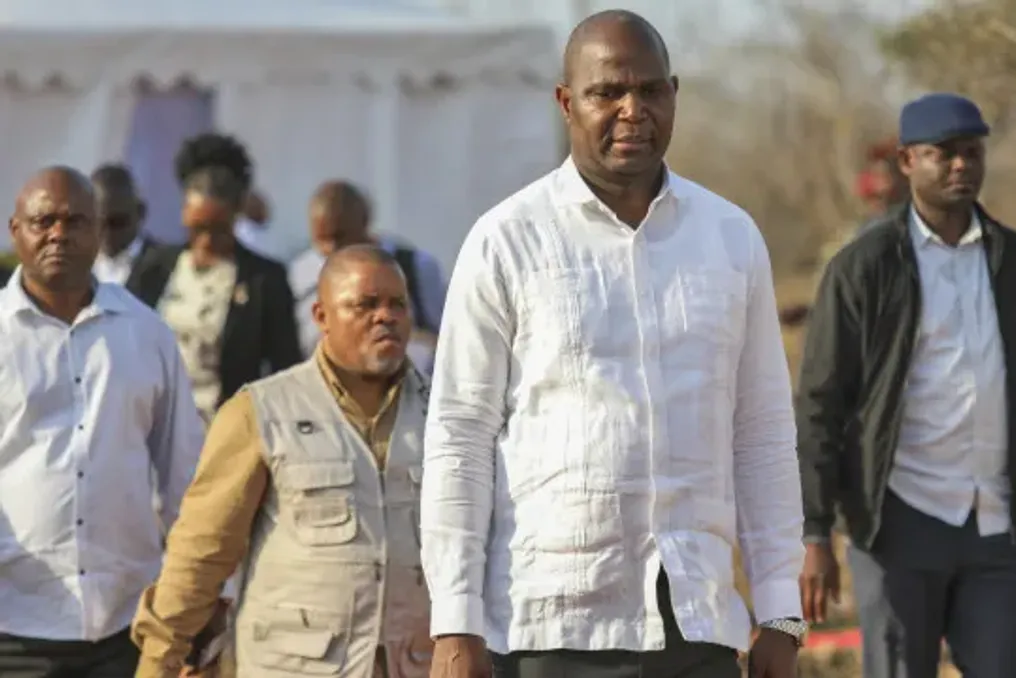
Mozambique is calling for the preservation of its culture as the fundamental basis of national identity. During a concert titled 'Gratidão' in Maputo, the head of state Chapo emphasized the necessity of preserving music, cultural values, and especially the generation that participated in Mozambican music during the proclamation of national independence.

At the event, where musicians from both old and new generations performed on the same stage, the head of state called for the protection of culture as a means of transmitting national history to younger generations. He stated that a people without culture has no identity, and therefore considered the presence of these great people, referred to as 'masters of music,' extremely important.

Chapo confirmed his intention to continue working on the preservation, popularization, and teaching of Mozambican culture. He added that investments are planned for so-called creative industries so that culture and art become an asset generating financial resources not only for artists but for the entire country. This dynamic, in his opinion, also extends to the tourism sector, which he described as 'extremely important' both in Southern Africa and globally.

During his speech, the President once again advocated for the expansion of the National Music School to the central and northern regions of the country, viewing this measure as a sound investment for ensuring artistic education and stimulating the creativity of new generations. Previously, on July 22, Daniel Chapo had already advocated for the expansion of this school into the specified regions, arguing that artistic education should combine creativity, technical training, and mastery of new technologies.

The head of state believes that this institution plays a strategic role in professionalizing Mozambican artists and enhancing the significance of national culture. Chapo reported that the Government aims to increase the presence of the National Music School outside Maputo, similar to other specialized educational institutions under the purview of the Ministry of Culture and Tourism.

Daniel Chapo also advocated for measures to reduce the cost of musical instruments, pointing to taxes and other customs duties as factors increasing the purchase price and limiting access to specialized training. The National Music School began operating in an experimental mode in 1983 and was officially established on May 8, 1991. Located in Maputo, this organization operates under the auspices of the Ministry of Culture and Tourism and is responsible for specialized training of musicians and other arts specialists.
Similar stories

Nairobi Architectural Guide: 11 Projects Shaping Post-Independence Identity
Read more
archdaily.com.br

Nairobi Architectural Guide: 11 Projects Shaping Post-Independence Identity

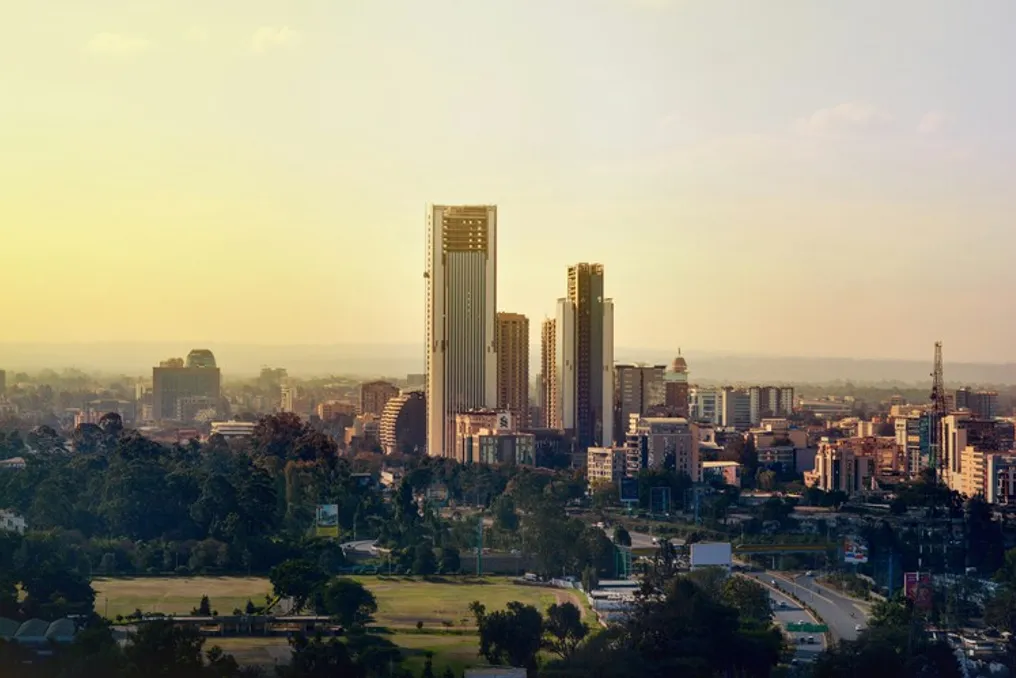
Nairobi's architectural identity underwent significant changes after Kenya gained independence in 1963. In the search for self-definition, the new national center became a testing ground for modern architecture capable of integrating progress while responding to African culture, climate, and local conditions. This initiated a period of architectural experimentation, where numerous approaches emerged regarding the relationship between modernism, identity, and place.

The Kenyatta International Convention Centre is considered the most prominent example of this period. Its architecture merged modernist principles with references to African forms, creating a unique response to the aspirations of the newly independent state. Around it, Kenyan and international architects developed other interpretations of modernism, including the louvered facades of Reinsurance Plaza and the sculptural silhouette of Nation Centre, as well as religious, educational, and civic projects that enriched the city's architectural vocabulary.

More than half a century later, Nairobi's architectural landscape continues to evolve. Contemporary practices draw inspiration from local vernacular forms, the use of local materials, ecological knowledge, and community-driven approaches, while reinterpreting the meaning of architecture within the city's specific social and cultural context. The eleven projects presented below offer an insight into this urban environment, highlighting the ideas, practices, and architectural responses that have shaped the city.

Nairobi National History Museum

The list includes projects such as Nation Centre, designed by Henning Larsen Architects in collaboration with Planning Systems Services; Reinsurance Plaza by Mutiso Menezes International; and the Basilica of the Holy Family by Dorothy Hughes and Hughes & Polkinghorne Architects.

CBK Pension Towers

The review also features the CBK Pension Towers, designed by Arprim Consultants, as well as Uhuru Park.

Mozambique President calls on Bank of Mozambique to monitor transformation based on the real economy
Read more
noticiasaominuto.com

Mozambique President calls on Bank of Mozambique to monitor transformation based on the real economy

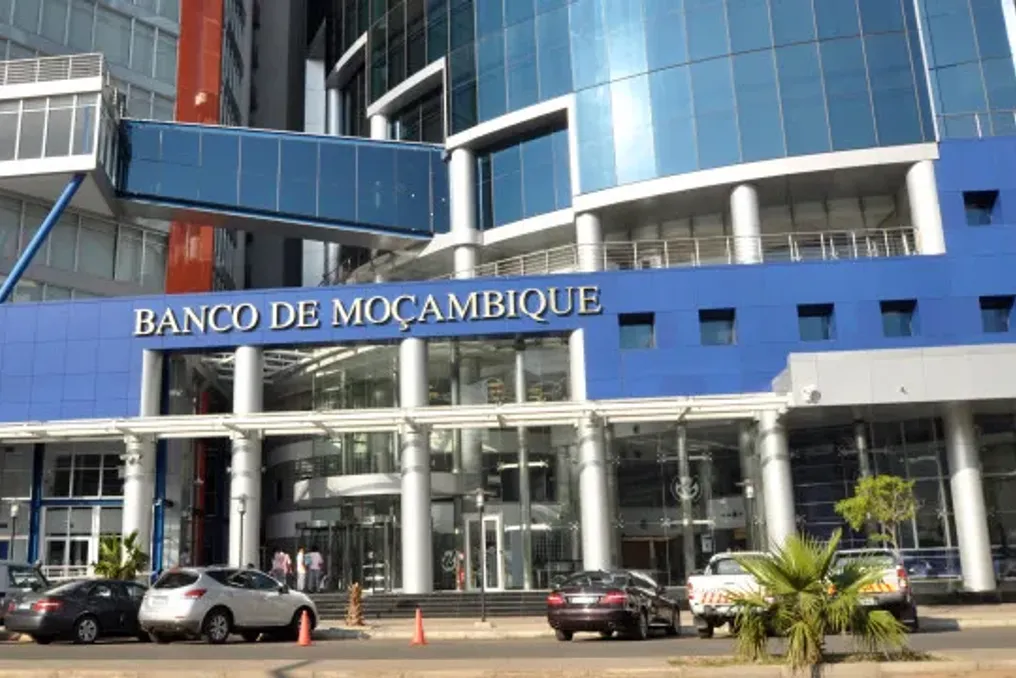
The President delivered guiding words to the new Governor of the Bank of Mozambique, urging him to implement necessary adjustments and modernization so that the bank can serve the transforming economy within the framework of ongoing reforms.

During the inauguration ceremony at the Presidential Palace in Maputo, the President stated that the path to economic independence, set since taking office in 2025, would be long and has no shortcuts. He emphasized the fundamental role of the central bank in this process, noting that the required stability is not immobility, but rather the stability that generates trust, stimulates investment, savings, and production, and accompanies Mozambique's transformations.

Tuesday marked the appointment of economist Felisberto Dinis Navalho as governor. This followed the initial nomination of Waldemar Fernando de Souza, whose appointment was changed due to 'emerging circumstances.' The decision was announced in the President's press release, which on Monday evening first announced the appointment of Waldemar Fernando de Souza as Governor of the Bank of Mozambique, and Felisberto Dinis Navalho as Deputy Governor, who was subsequently promoted to Governor, replacing Rogério Zandamelu, who held the post for ten years and two mandates.

At the inauguration ceremony, the President asked the Bank of Mozambique to be 'prepared' for the 'deep technological transformations of the global financial sector.' He also insisted on the need to promote innovation without compromising stability, stimulate competition, and maintain oversight. The President stressed that the financial system should not be limited to large urban centers; it must encompass rural producers, small businesses, women entrepreneurs, and youth striving to turn ideas into companies.

For the Head of State, the Bank of Mozambique must not only know macroeconomic indicators but also understand the 'economy behind the numbers,' engage in dialogue with the 'real Mozambique,' and operate based on the real economy. He also recalled a basic institutional principle: the Bank of Mozambique is obliged to perform its functions independently, with technical rigor and a sense of responsibility. Trust in monetary policy depends primarily on operational independence and transparent communication, as well as confidence from every corner of the world.

However, the President warned that 'central bank independence does not mean institutional isolation.' He reiterated that independence does not imply isolation, and coordination with the Government does not entail subordination of monetary policy to fiscal or financial policy. It was emphasized that strong institutions are needed—institutions that respect their mandates, interact with each other, and understand that despite different functions, they serve one country, one state, and one people.

The President concluded that responsible fiscal policy, reliable monetary policy, a stable financial system, and structural reforms that promote the productive capacity of the economy are necessary. Only then can a strong, dynamic economy with high exports and low imports be achieved. He addressed the new governor with a call: 'Listen to the economy, communicate with the government, the financial sector, the private sector, academia, and communicate clearly with citizens,' as trust is also built on predictability, transparency, and personal and institutional honesty.

Popular