India accelerates search for uranium sources to realize ambitious nuclear expansion program
Read more
The times of India
timesofindia.indiatimes.com

India accelerates search for uranium sources to realize ambitious nuclear expansion program

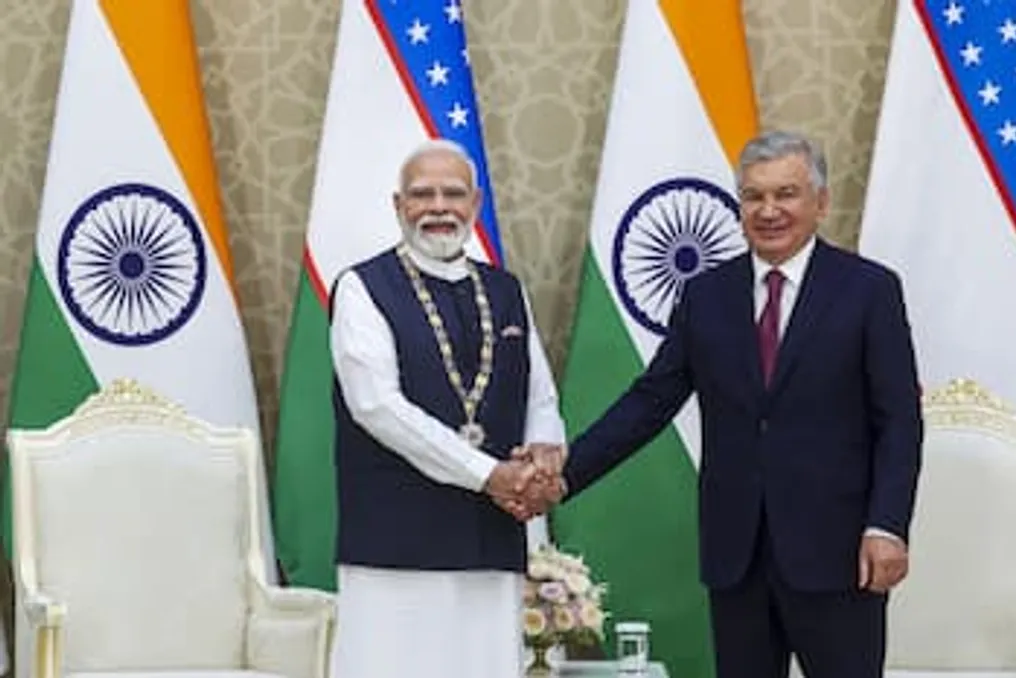
Last month, during the visit of Prime Minister Narendra Modi to Tashkent, the main diplomatic outcome was an agreement between India and Uzbekistan to strengthen ties to the level of Comprehensive Strategic Partnership and set a goal for bilateral trade of $5 billion annually by 2030. However, a phrase in the joint statement may hold much greater significance for Indian planners than the trade target: both countries agreed to work on a long-term framework for uranium supplies.

Prime Minister Modi told delegates in Tashkent that India would 'create a long-term agreement on uranium supplies,' calling it the next step in the two countries' energy cooperation. It is easy to overlook why one line about uranium in the joint statement matters. But this may be the clearest sign of a growing race quietly unfolding across three continents—from Central Asia to Australia and North America—as India seeks to fuel what could become one of the most ambitious nuclear expansion programs of this century.

Currently, the country operates 24 nuclear reactors with a total capacity of about 8.78 gigawatts (GW). The Central Government's nuclear energy mission, announced in the State Budget for 2025-26, aims to reach 100 GW by 2047, representing an increase of more than eleven times, with an intermediate goal of approximately 22 GW by 2031-32. Nevertheless, this goal is accompanied by a fuel challenge.

Industry estimates suggest that a 100 GW fleet will require 18,000 to 20,000 tons of natural uranium per year, which accounts for about one-third of the current global mining output. India's domestic uranium reserves, concentrated in Jharkhand, Andhra Pradesh, and Meghalaya, are relatively scarce and have historically constrained rather than supported the country's civilian nuclear program. For decades, this deficit was managed discreetly through several government contracts. Now, with the approved expansion target, this has become the defining logic of a wave of intersecting diplomatic and commercial deals, of which the framework with Uzbekistan is just the latest.

India's relationship with Uzbekistan regarding uranium is not new. In January 2019, both countries signed a contract under which the Uzbek state company Navoi Mining and Metallurgical Company agreed to supply 1,100 metric tons of natural uranium concentrate to India until 2026. According to parliamentary records, India received about 600 metric tons from this contract volume by March 2025, meaning the current agreement always required renewal, regardless of its expiration or lack thereof. What has changed is the structure in Tashkent.

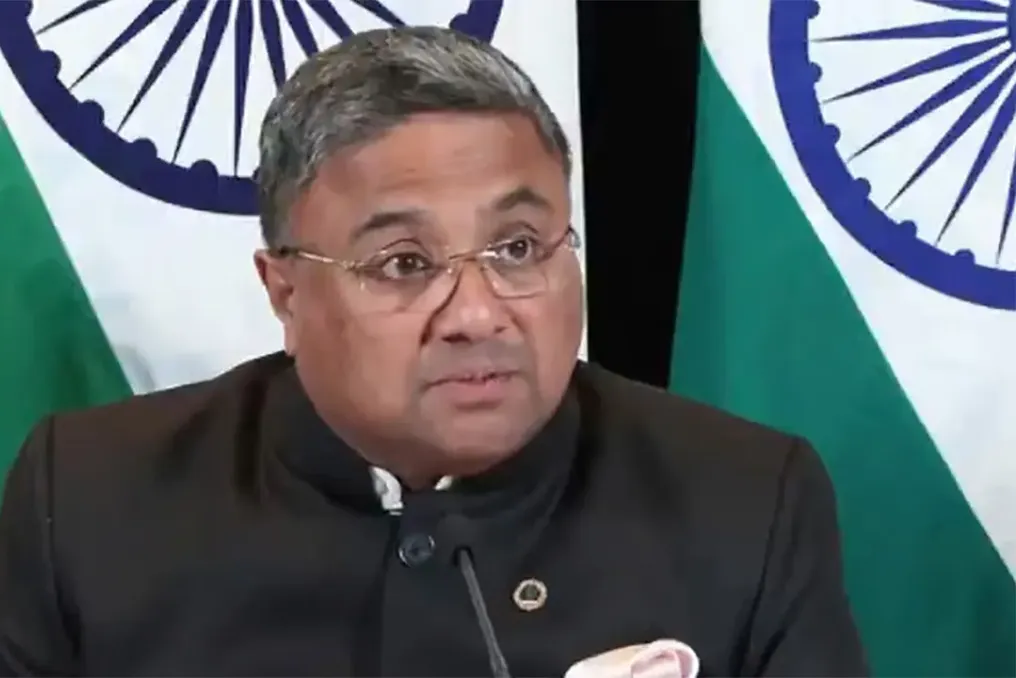
Instead of negotiating a single subsequent contract, the parties are now working on a long-term agreement that should surpass the transactional cycle of the 2019 deal. Siby George, Western Secretary in the Ministry of External Affairs, quoted by news agency PTI, stated that 'positive discussions' have taken place regarding a long-term uranium supply agreement, and that the governments are 'approaching' its signing. Although the new pact specific to uranium was not among the eleven officially signed agreements during the visit, the framework itself is still being finalized, but both governments used the summit to signal that Uzbekistan, one of the world's largest uranium producers, will remain a permanent element of India's fuel security plan, not an obsolete supplier being phased out.

Earlier, in July, India finalized an Administrative Agreement with Australia under their 2014 Civil Nuclear Cooperation Agreement. This agreement, concluded at the Third India-Australia Annual Summit in Melbourne, activates the pact that paves the way for the long-term export of Australian uranium to India under IAEA guarantees. Australia holds over a third of known global uranium reserves, possessing undoubtedly the largest reserve base of any country, making this agreement one of the most significant successes in India's recent diplomatic calendar for fuel security.

On the other side of the globe, India signed its most commercially concrete uranium deal: a nine-year agreement worth about $2.6 billion between the Saskatchewan-based corporation Cameco, Canada, and the Department of Atomic Energy of India, for the supply of nearly 22 million pounds of uranium ore concentrate between 2027 and 2035. This deal, concluded earlier in March, was reached during the visit of Canadian Prime Minister Mark Carney, and both governments called it the cornerstone of the new strategic energy partnership between India and Canada.

It is also worth noting that NTPC Ltd, India's largest power generator, responsible for building about 30 GW of the country's target 100 GW nuclear capacity, issued a tender to hire consultants to help identify foreign uranium mining assets in countries such as Canada, Australia, Kazakhstan, and South Africa. This is a telling move, as state-owned India is no longer satisfied with simply acquiring uranium through long-term contracts; it wants to gain stakes in the mines themselves.

The combination of directions with Uzbekistan, Australia, and Canada is not three separate stories, but rather a broader picture of a nation that has underinvested in fuel security for decades and is now compensating for lost time on every continent where this mineral is located.

The external search for fuel has a mirror reflection domestically: an internal policy shift that may be even more important for India's energy sector. In December 2025, Parliament passed the Sustainable Use and Promotion of Nuclear Energy for Transformation of India (SHANTI Act), ending the sixty-year state monopoly on civilian nuclear power generation. Under the new law, private companies can build, own, and operate nuclear power plants for the first time, while the government retains control over the most sensitive parts of the chain—uranium enrichment, heavy water production, and long-term spent fuel management.

The reaction from Indian business was immediate. A tender placed by the state-owned Nuclear Power Corporation of India for the joint development of 220 MW 'Bharat Small Reactors' generated interest from Reliance Industries, Adani Power, Tata Power, Hindalco Industries, Jindal Steel and Power, and JSW Energy—a list of India's largest industrial conglomerates, each seeking to secure its own round-the-clock energy for steel, cement, and data center operations, which the coal network is increasingly unable to provide cheaply or cleanly.

Tata Power has moved furthest, publicly targeting the commissioning of India's first private nuclear plant between 2032-33, with construction potentially starting as early as 2028 on sites being studied in Madhya Pradesh, Odisha, and Gujarat. The SHANTI Act creates demand; Tashkent, Melbourne, and Saskatchewan are where the supply is secured.

There is another reason why India's race for uranium should be viewed as part of a much longer-term nuclear strategy. For decades, India has pursued a three-stage nuclear program aimed at more efficient utilization of its vast thorium reserves. The key transition is from modern uranium-fueled reactors to fast breeder reactors, and then to reactors using uranium-233 derived from thorium. The Department of Atomic Energy describes thorium-232 as a material that can be converted into fissile uranium-233 for the third stage of the program. This strategy reached an important milestone this year when the 500 MW Prototype Fast Breeder Reactor (PFBR) in Kalpakkam, Tamil Nadu, achieved criticality for the first time. The DAE describes the PFBR as the flagship of the second stage of India's three-stage nuclear program and states that thorium-232 can be converted into uranium-233 through transmutation, providing fuel for the third stage.

However, this technology does not offer India an immediate escape from its uranium problem. The PFBR itself is part of a transition, whereas the large-scale nuclear expansion planned for 2047 still requires traditional reactors and, consequently, reliable access to uranium fuel. This explains the apparent contradiction at the heart of India's nuclear strategy: the country is rushing globally for uranium today while simultaneously developing technologies designed to make its nuclear fuel cycle more self-sufficient tomorrow. This distinction is crucial because thorium is not the shortest path to the 100 GW goal, but a long-term bet on the architecture of India's nuclear program, while imported and domestic uranium will remain critically important for the expansion planned now.

What next for India? None of the concluded deals, whether with Uzbekistan, Australia, or Canada, alone bring closer the closing of the fuel gap implied by the 100 GW by 2047 target. Each is best understood as one card in India's hand, which it is still collecting: diversifying suppliers, avoiding dependence on any single country or company, and buying time for domestic reforms, the SHANTI Act, the Bharat small reactor program, and the long-term bet on thorium, of which India holds some of the world's largest reserves, so they can mature into a functional power generation fleet. The uranium framework in Tashkent, when signed, cannot power a single reactor on its own. But it is a useful marker of how far India has advanced in eighteen months: from a country that mined and imported uranium exclusively through the state, to a country that is conducting parallel negotiations with suppliers from Central Asia, Australian mining companies, and Canadian producers, while its largest private conglomerates await their first nuclear license. The race is real. The question of whether fuel will arrive quickly enough to meet India's ambitions for reactor construction must be answered in the coming budget cycles.
Similar stories

IAEA confirmed the presence of a nuclear reactor and 73 tons of uranium in Syria
Read more
uza.uz

IAEA confirmed the presence of a nuclear reactor and 73 tons of uranium in Syria

The IAEA confirmed that the Al-Kibar facility in Syria, which was destroyed as a result of an Israeli attack in 2007, is indeed a nuclear reactor. Organization representatives discovered a specialized cooling system on this territory, characteristic of reactor installations.

India expands uranium cooperation with Australia and Uzbekistan to achieve 100 GW nuclear capacity goal
Read more
business-standard.com

India expands uranium cooperation with Australia and Uzbekistan to achieve 100 GW nuclear capacity goal

India is actively expanding and updating its uranium supply options by engaging Australia and Uzbekistan as it prepares for more than an elevenfold increase in its nuclear capacity to 100 GW by 2047.

The plan is to increase India's installed nuclear power capacity from the current 8.78 gigawatts (GW) to approximately 22 GW by 2031–2032, and subsequently to 100 GW by 2047. Recent visits by Prime Minister Narendra Modi to Uzbekistan and Australia have highlighted the government's efforts within this large-scale nuclear energy expansion.

Australia has opened a long-awaited commercial channel for uranium exports to India, while Uzbekistan, an existing supplier, is working with New Delhi on a new long-term agreement as the previous supply contract expires.

These steps contribute to India's efforts to secure sufficient nuclear fuel reserves as the reactor fleet expands and reduces dependence on a limited number of foreign suppliers.

What is changing in India-Uzbekistan uranium ties?

During Modi's visit to Tashkent last week, India and Uzbekistan elevated their relationship level to Comprehensive Strategic Partnership and signed 11 agreements covering areas such as defense, digital public infrastructure, trade, and culture.

Although none of the 11 announced agreements included a new uranium supply pact, both sides noted progress toward reaching a long-term uranium supply agreement for India. Previously, India and Uzbekistan concluded a long-term contract in January 2019, under which Navoi Mining and Metallurgical Company from Uzbekistan was set to supply India with 1,100 metric tons of uranium between 2022 and 2026.

Uzbekistan is among the world's leading uranium producers. In 2024, it produced about 4,000 tons of uranium, accounting for approximately 7 percent of global mining production. According to World Nuclear Association data based on the 2024 Red Book, Uzbekistan possesses about 40,200 tons of reasonably assured recoverable uranium resources and another 49,220 tons of inferred recoverable resources.

How has Australia opened another uranium supply route?

Discussions with Uzbekistan took place two months after India and Australia made a key step towards realizing commercial uranium supplies during Modi's July visit. India and Australia signed a civil nuclear cooperation agreement in 2014, which came into force in 2015, but large-scale commercial uranium supplies to India had not yet begun.

In July 2026, both countries signed an Administrative Agreement to implement this treaty, removing a long-standing obstacle to Australian uranium exports to India. This new structure allows producers from Australia and buyers from India to negotiate commercial supply contracts, with the uranium being supplied for peaceful purposes and subject to international safeguards. No specific volume or commercial contract has been announced yet.

Australia is particularly important due to the size of its uranium resource base. In 2024, the country produced about 4,600 tons of uranium, making it the fourth-largest producer globally. World Nuclear Association data shows that in 2023, Australia accounted for about 28 percent of the world's identified recoverable uranium resources, equivalent to approximately 1.67 million tons valued up to $130 per kg of uranium.

This development marks the realization of a process that began more than ten years ago. Previously, Australia restricted the sale of uranium to countries that are not parties to the Nuclear Non-Proliferation Treaty (NPT), a treaty to which India is not a party. Canberra later changed its policy regarding India and signed a bilateral civil nuclear cooperation agreement in 2014.

How much uranium does India need?

Imported uranium already plays a vital role in India's civilian nuclear program. The World Nuclear Association estimated India's uranium requirement at 1,884 tons in 2025. Government data indicates that India imported 18,842.60 tons of uranium in various forms between 2008–09 and 2024–25 for use in safeguarded reactors. As of April 2026, 16 nuclear reactors with a total capacity of 6,380 megawatts (MW) were under International Atomic Energy Agency safeguards and fueled by imported fuel.

India's demand may significantly increase as the country ramps up its nuclear capacity over the next two decades. Currently, India has 8.78 GW of nuclear capacity installed, and plans are in place to increase this to approximately 22 GW by 2031–32, before scaling up to 100 GW by 2047. This means India aims to increase its nuclear capacity by more than eleven times compared to the current level.

Which countries already supply uranium to India?

Since receiving a waiver from the Nuclear Suppliers Group in 2008, India has expanded its civil nuclear cooperation with several countries and has received uranium or nuclear fuel from suppliers such as Russia, Kazakhstan, Canada, France, and Uzbekistan. Earlier this year, Canadian uranium producer Cameco signed a long-term agreement worth about $2.6 billion CAD with the Indian government to supply nearly 22 million pounds of uranium concentrate between 2027 and 2035.

India also has long-term uranium supply agreements with Kazakhstan, while Russia remains an important supplier of fuel for VVER-type reactors manufactured in Russia at the Kudankulam Nuclear Power Plant in Tamil Nadu. Expanding the pool of suppliers can help India manage geopolitical and commodity risks, ensuring fuel availability as new reactors come online.

Why does India continue to import uranium?

India possesses its own uranium deposits, including those in Jaduguda in Jharkhand and Tummalamalle in Andhra Pradesh. However, domestic production has faced challenges related to ore quality, mine development, environmental permits, land acquisition, and local concerns. Imports supplement domestic uranium production and are especially crucial for reactors under international safeguards.

India's nuclear strategy also includes long-term efforts to reduce reliance on uranium imports through its three-stage nuclear energy program, which aims for broader utilization of the country's domestic resources—uranium and thorium. Nevertheless, adequate imported fuel remains critically important for the short- and medium-term expansion of the reactor fleet.

How is India expanding its nuclear power fleet?

Nuclear Power Corporation of India Ltd (NPCIL) is expanding the use of indigenous 700 megawatt-electric (MW-e) PHWR reactors. The first two blocks based on the 700 MW-e design in Kakrapar in Gujarat are already operational, and the fleet program, which includes 10 additional reactors, covers projects at sites such as Kaiga, Gorakhpur, Chutka, and Mahi Banswara.

India is also developing indigenous Small Modular Reactors (SMRs), with the government aiming to deploy at least five such units by 2033. Another significant policy shift occurred with the adoption of the SHANTI Act in December 2025, which establishes the framework for greater private participation in the civilian nuclear sector. Relevant private companies will be able to apply for licenses to develop and operate nuclear facilities after notification of implementation rules. Strategic activities, such as uranium enrichment, spent fuel management, and heavy water production, will remain under central control.

The nuclear expansion is taking place against the backdrop of India's continuously growing electricity demand. Peak electricity demand reached 270.20 GW in July 2026, close to the historical high of 270.82 GW recorded in May. For India, the combination of renewed access to established suppliers and the opening of new commercial routes, such as Australia, could become increasingly significant as the country strives to secure sufficient fuel for one of the world's most ambitious nuclear energy expansion programs.

India and Uzbekistan prepare long-term uranium supply agreement
Read more
uzdaily.uz

India and Uzbekistan prepare long-term uranium supply agreement

India and Uzbekistan are negotiating a long-term contract for the supply of uranium, and the document is expected to be signed in the near future. This was reported by Sibi George, Secretary (West) of the Indian Ministry of External Affairs, during a press briefing following the visit of the Indian Prime Minister to Uzbekistan.

According to George, the parties have made progress in creating a long-term mechanism for supplying India with uranium. He noted that they are 'approaching the signing of the agreement in the very near future.' Work on this issue is being conducted as part of efforts to elevate bilateral relations to the level of a comprehensive strategic partnership.

During the visit, the parties also signed a memorandum of understanding regarding cooperation in the mining sector. The diplomat emphasized that this document will facilitate interaction in the field of critical minerals, including uranium supplies.

George mentioned that two business forums involving mining sector companies from both countries were held this year. He added that the business community showed significant interest in developing a partnership with Uzbekistan in this industry.

Furthermore, it was stated that the parties are discussing the exchange of delegations to facilitate the implementation of the memorandum and plan to achieve substantial progress in the mining sector in the coming months with the support of the established institutional framework and the participation of business representatives.

Popular