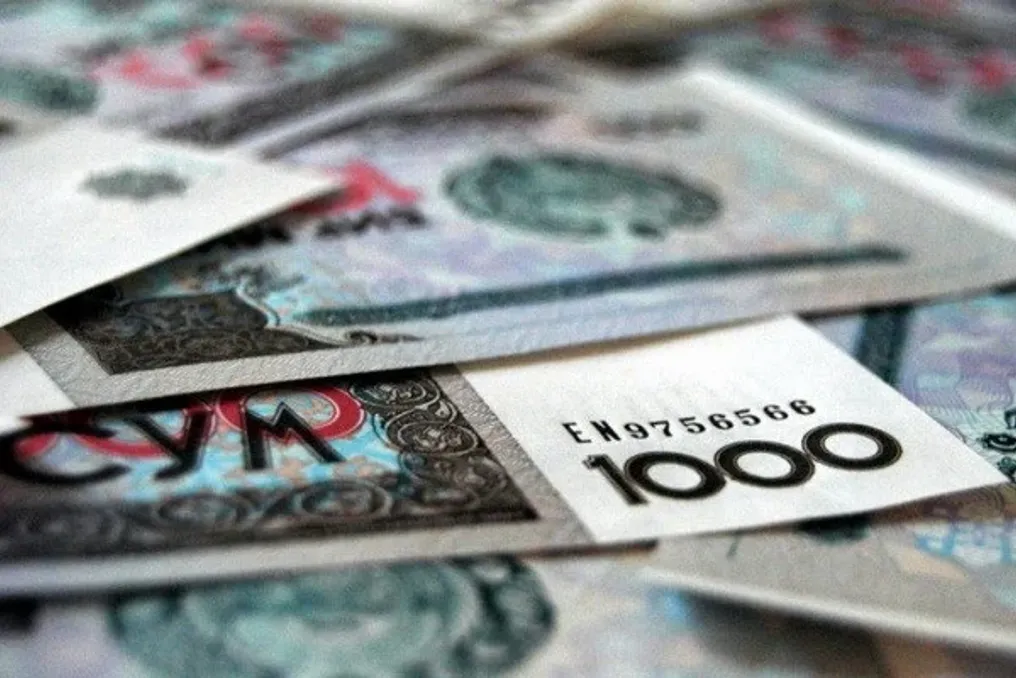
Uzbekistan expands support measures for entrepreneurs and families according to presidential decree
Read more
UzDaily
uzdaily.uz

Uzbekistan expands support measures for entrepreneurs and families according to presidential decree

Uzbekistan is implementing expanded support measures for entrepreneurs and families in accordance with the presidential decree 'On measures to increase household incomes through the creation of sustainable jobs and accelerated development of small businesses' (UP-193 dated September 11, 2026).

This document provides for the possibility of issuing unsecured loans to certain leading entrepreneurs. Decisions on such measures can be made by district and city headquarters responsible for creating sustainable jobs and increasing population income.

Entrepreneurs who attract families included in the Social Register into joint programs will be eligible for unsecured loans of up to 5 billion soums, with 50 million soums allocated for each participating family.

The authority to manage preferential credit resources within the framework of family and youth entrepreneurship development programs is transferred to district and city headquarters.

Starting from October 1, 2026, a mechanism will be introduced to compensate part of the interest expenses on commercial bank loans for self-employed individuals and small and medium-sized enterprises. This compensation will be provided based on decisions of district and city headquarters, using funds from the Joint Stock Company 'Entrepreneurship Development Company' or other designated sources.

The headquarters will make decisions based on local conditions, project effectiveness, and priority areas, and will be responsible for the targeted and effective use of funds. The headquarters' decision will serve as the basis for providing compensation.

Furthermore, no additional requirements regarding credit history, entrepreneur category, sustainability rating, or other criteria will be established. Entrepreneurs retain the right to apply directly to the Entrepreneurship Development Company for compensation in accordance with the general procedure established by law. Simultaneous compensation of the same interest expenses on the same financing is prohibited.

The decree also introduces changes to the sphere of social support. The authority to manage the funds of the 'Sahovat va Ko‘mak', 'Women's Notebook', and 'Youth Notebook' funds, as well as to organize social assistance and services financed through these funds, is transferred to district and city headquarters.

Starting January 1, 2027, the need for people in social assistance and services, as well as decisions on inclusion in the Social Register, will be determined using a multidimensional evaluation system. In addition to financial circumstances, this system will take into account chronic illnesses of family members, disability, external labor migration, the presence of many children, and other factors.

The socio-economic status of families will be assessed using a scoring system. Based on the results obtained, families will be assigned corresponding categories and will gain access to social support measures and services.

From the same date, the State Social Insurance Fund will begin paying childcare benefits to women employed under employment contracts, starting from the end of maternity leave until the child reaches one year of age.

Additionally, families classified as 'families receiving state support' in the Social Register will become entitled to additional interest-free loans within the framework of family entrepreneurship development programs. 100 billion soums will be allocated for this purpose in 2026, and 300 billion soums in 2027.

Similar stories

Foreign direct investment in Uzbekistan increased by almost a third in the first half of 2026
Read more
podrobno.uz

Foreign direct investment in Uzbekistan increased by almost a third in the first half of 2026

The volume of foreign direct investment received in Uzbekistan during the first half of 2026 showed significant growth, increasing by 32.5% compared to the same period last year.

According to data presented by the Eurasian Development Bank in its September Macroeconomic Review, alongside this growth, capital investments also increased by 17.5%.

Reasons for the increase in investment activity

The EDB links such high investment activity to key elements contributing to the acceleration of the country's economy, which also includes stable consumer demand.

The increase in investments was driven by the active development of several sectors: industry, construction, and the service sector. The bank's analysts believe that these areas had the greatest impact on the economic dynamics of Uzbekistan in the first half of the reporting period.

It was previously noted that industry was the leading direction for attracting investment in Uzbekistan, receiving 100.5 trillion soms in the first half of the year.

Uzbekistan plans to expand meat imports from India and increase jute cultivation
Read more
uzdaily.uz

Uzbekistan plans to expand meat imports from India and increase jute cultivation

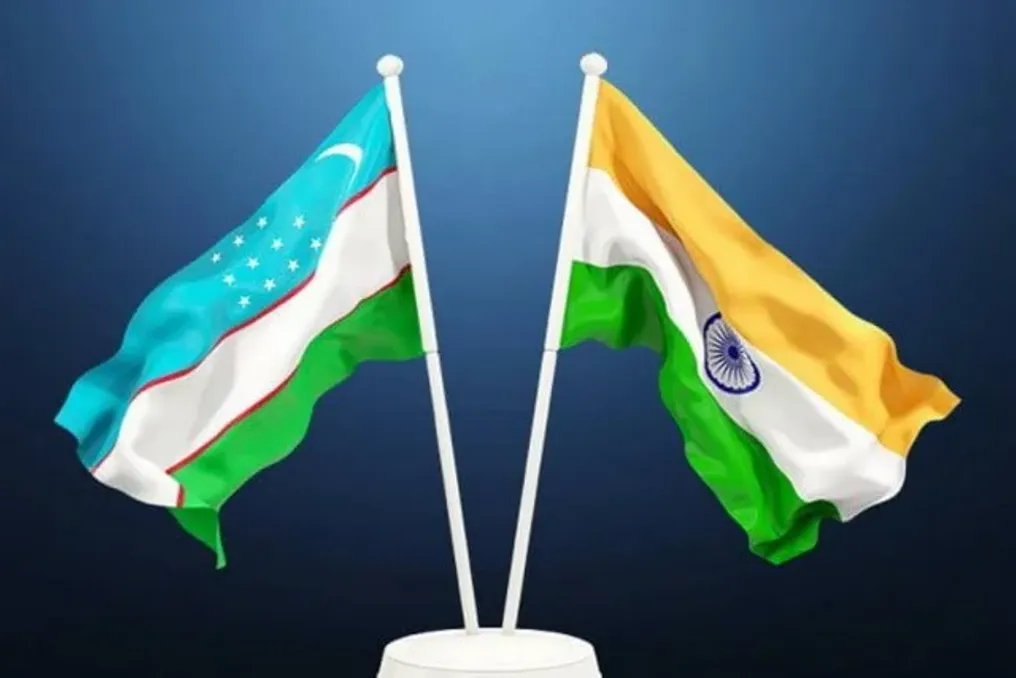
The Minister of Agriculture of Uzbekistan, Ibrohim Abdurakhmonov, announced plans to strengthen cooperation in the agricultural and food sectors with India. These plans include increasing meat imports, establishing joint processing enterprises, and introducing new crop varieties during the visit of Indian Prime Minister Narendra Modi to Tashkent.

The central focus of the interaction remains seed production, as Indian companies are introducing new crop varieties in Uzbekistan. In the Khorezm region, salt-tolerant cotton varieties are being tested over an area of 12,000 hectares, and new vegetable and fodder seeds are also being imported.

In the meat sector, Uzbekistan intends to increase purchases of cheaper Indian meat through joint ventures and updated agreements with the Allana Group. This initiative covers both imports and production projects, with Uzbek specialists participating in processing and halal slaughtering directly in India to ensure compliance with quality standards and certification. Supply logistics will be managed with the participation of Turkish partners via the Port of Mersin.

Currently, India is the main supplier of beef to Uzbekistan. In the first half of 2026, Uzbekistan imported 72,000 tons of beef worth $359.5 million, which is 9.1% more than in the same period of 2025. India supplied 33,900 tons, accounting for about 47% of the total beef import volume. Additional supplies came from Belarus (19,600 tons), Kazakhstan (10,600 tons), and Pakistan (4,000 tons).

Bilateral agricultural trade between the two countries has increased more than threefold in recent years. Uzbekistan exports more than 30 types of agricultural products to India, and the government is shifting from transit through third countries to direct supplies, especially concerning pulses.

Furthermore, Uzbekistan is expanding domestic jute cultivation to reduce the import of natural fibers, which currently costs nearly $30 million annually. Jute is currently grown on an area of about 2,000 hectares, and there are plans to increase the cultivated area to at least 50,000 hectares for use with cotton in textile production. It is also worth noting that Uzbekistan imported over 10 tons of early-maturing cumin seeds from India in partnership with Nath Bio-Genes to conduct joint planting trials between cotton rows in various regions.

Popular