Tashkent Region plans to create the Tashkent Medical Smart City utilizing South Korean experience
Read more
UzDaily
uzdaily.uz

Tashkent Region plans to create the Tashkent Medical Smart City utilizing South Korean experience

The Tashkent Region intends to create a modern medical city called Tashkent Medical Smart City, which will occupy an area of 400 hectares. The implementation of this project will utilize the experience of South Korea, as learned from the results of a working trip by a regional delegation led by Governor Zoyir Mirzaev to South Korea.

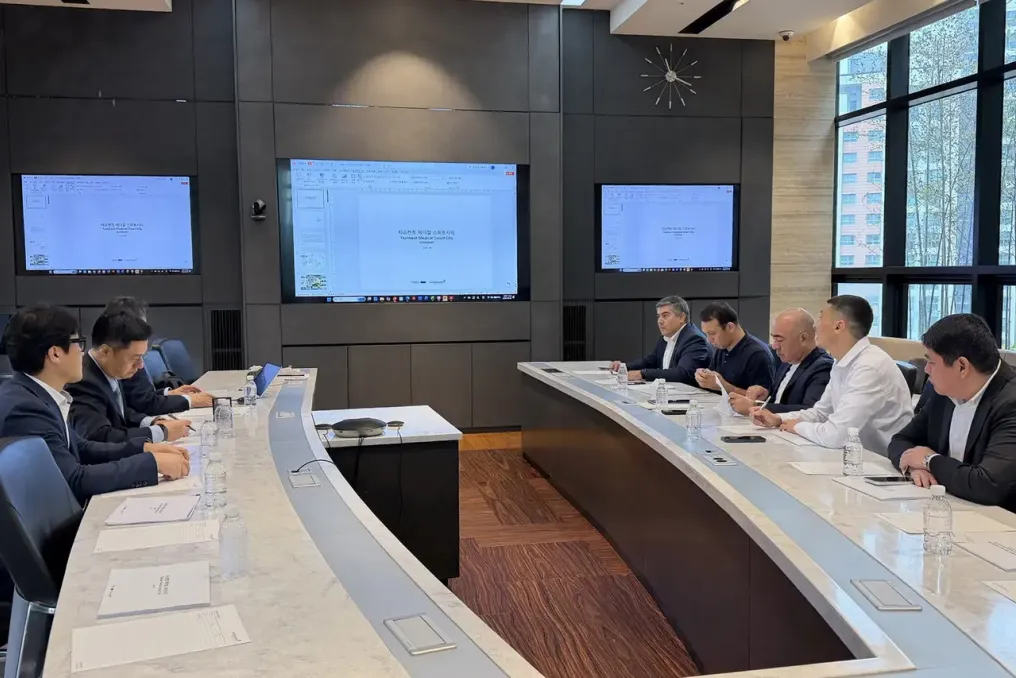
In Seoul, the delegation held a meeting with representatives of the South Korean company HAEAHN Architecture. The parties discussed the practical implementation of an international innovation project aimed at developing modern healthcare infrastructure in the Tashkent Region.

Previously, a memorandum of cooperation was signed with several leading South Korean companies. According to this agreement, medical facilities, as well as associated social and commercial infrastructure, are planned to be built on a plot of 400 hectares.

During the meeting, participants reviewed the updated project concept, the master plan, as well as architectural and urban planning solutions. Special attention was paid to creating an integrated medical city that could include medical institutions, an international medical university, educational facilities, hotels, business and trade centers, as well as modern residential complexes.

The parties agreed to continue working on the project in accordance with international standards and actively apply South Korean experience in architecture and urban planning. Furthermore, they discussed attracting investment and forming modern infrastructure to support the development of medical tourism.

After the meeting, the participants emphasized the need for further strengthening cooperation within the Tashkent Medical Smart City project and defining the next practical steps.
Similar stories

Tashkent is studying the possibility of implementing a school bus system to ensure safe student transportation
Read more
uzdaily.uz

Tashkent is studying the possibility of implementing a school bus system to ensure safe student transportation

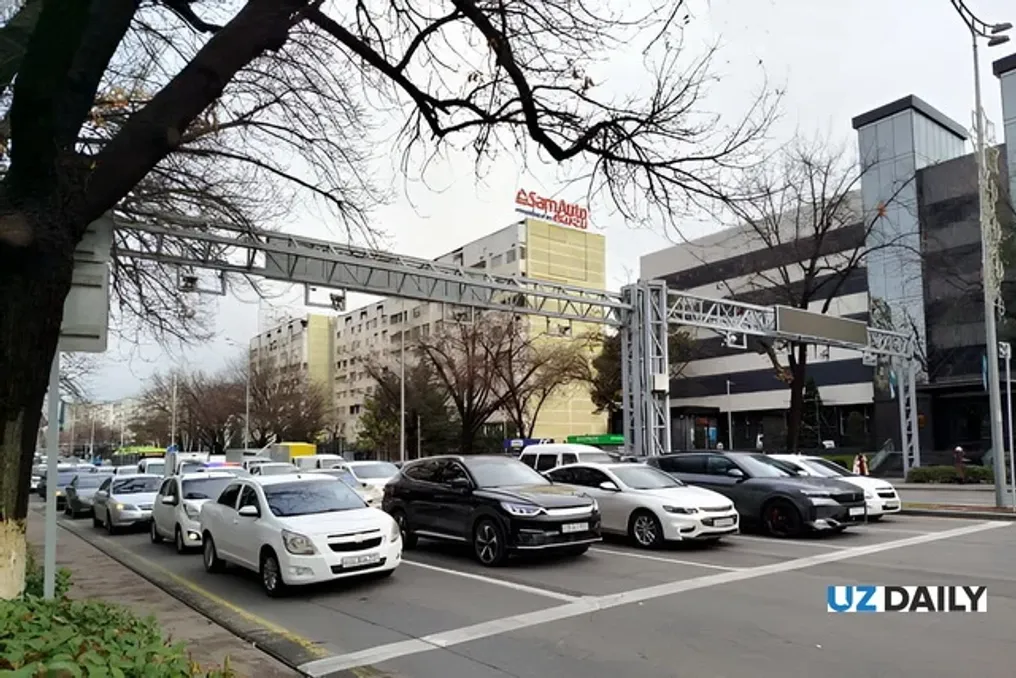
The Tashkent Road Traffic Center reported that a practical assessment of introducing a school bus system in Tashkent has begun. The goal of this initiative is to ensure safer and more convenient transportation of students to educational institutions.

In the initial stage, specialists are studying parents' needs, determining current methods of schoolchildren's travel to educational institutions, and collecting data for developing bus routes.

So far, a survey has been conducted in 29 out of 328 schools in Tashkent. Priority was given to schools with the largest number of students, as high demand for specialized school transport is expected. Family members or guardians of 58,369 schoolchildren participated in the survey.

Preliminary results show that 38.5% of students walk to school. Another 33.1% are driven by parents in private cars. 18.3% of students use buses, 5.7% use taxis, and 3.5% use the metro. The remaining 0.9% use micro-mobility options.

Furthermore, 73.5% of survey participants expressed a desire to see dedicated bus transport for schools. The Tashkent Road Traffic Center noted that this data indicates significant potential demand for a school bus system.

The survey will gradually continue in the remaining schools of the capital. After completing the study, specialists plan to analyze student traffic flows, determine the most in-demand routes, establish the necessary number of buses, and develop work schedules.

The study will also cover the organization of safe boarding and alighting spots for children from buses, as well as other aspects of the future system. Based on this analysis, the practical feasibility of launching school bus services will be assessed. The issue of gradual implementation of the system in Tashkent will then be considered jointly with relevant organizations.

Parents were advised to participate in the survey via the Telegram bot @school_coddbot. It is expected that the collected responses will help determine the potential number of users of school buses, as well as the required number of vehicles and routes.

Japanese Companies Present Projects to Expand Cooperation in Tashkent Region
Read more
uzdaily.uz

Japanese Companies Present Projects to Expand Cooperation in Tashkent Region

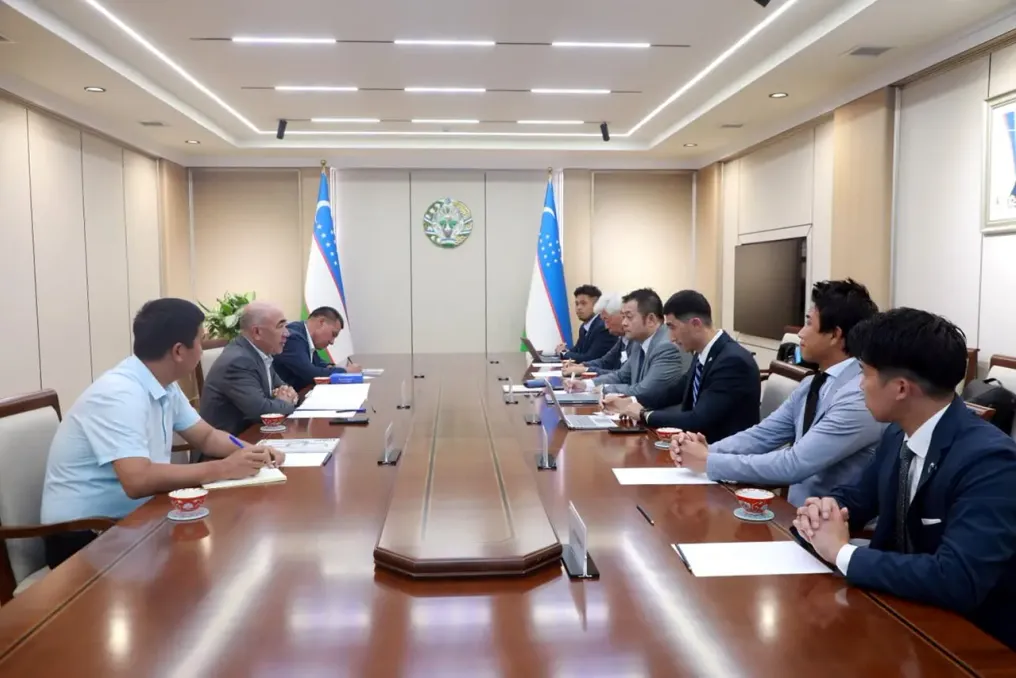
The Governor of the Tashkent Region, Zoir Mirzaev, held a meeting with representatives of leading Japanese companies to discuss expanding investment and technological partnership in the region. According to a message from the Tashkent Regional Hokimiyat, the proposed projects include establishing an IT outsourcing center, launching a smart city pilot project in Nurafshan, and forming a cluster for Japanese furniture and design.

During the meeting, participants exchanged views on Japan's best practices in digital transformation, green technologies, and industrialization, as well as studying potential investment opportunities in the Tashkent Region. Zoir Mirzaev emphasized that favorable conditions have been created for foreign investors in the region, including enterprises operating in the information technology sector.

Japanese companies were invited to establish an IT outsourcing center and implement a smart city pilot project in Nurafshan. Furthermore, the parties discussed the possibility of introducing digital solutions in areas such as healthcare, transport, utilities, and public administration.

Another topic of discussion was the development of the furniture industry. Participants reviewed a proposal to create a cluster for Japanese furniture and design in the Saidovul industrial zone. This project involves localizing the production of Japanese furniture followed by exporting finished products to foreign markets.

Personnel training was also on the agenda. The parties proposed jointly establishing professional training centers and Japanese language study centers with the participation of Japanese companies. It is expected that young people will receive training there according to modern standards in medicine, IT, and furniture manufacturing.

At the conclusion of the negotiations, the parties reached an agreement to continue practical cooperation in the discussed areas and jointly implement promising projects.

Popular