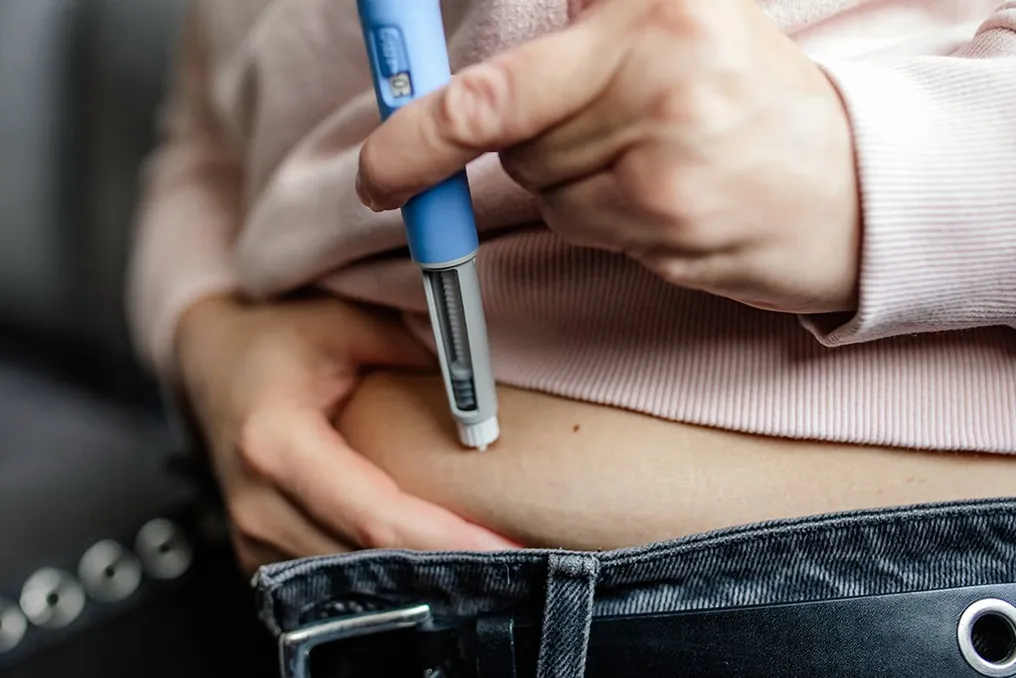
Injections used for managing diabetes and obesity have gained popularity as effective methods for weight reduction. Although science proves their potential for weight loss and other health benefits, there is a growing recognition of the need to alter one's lifestyle during treatment.
This is because obesity is classified as a chronic condition, similar to hypertension and diabetes itself, demanding continuous care. Endocrinologist Paulo Rosenbaum, from Einstein Israelite Hospital, clarifies that the recurrence of the disease after stopping treatment does not indicate a lack of patient willpower; it is a biological reaction of the body seeking to restore lost weight.
Drugs such as semaglutide and tirzepatide, whose active ingredients make up weight loss injections, act on the GLP-1 hormone, which regulates feelings of hunger and satiety. By inhibiting this action, they reduce the desire to eat, aiding in weight loss. However, when use ceases, the body reactivates processes that favor weight gain.
For this reason, these medications should not be viewed as a temporary solution. Rosenbaum warns that many people use the medication, lose weight due to decreased appetite, but if they do not modify their eating habits, do not exercise regularly, and do not promote a behavioral change, it is likely they will regain much of the weight upon stopping the medication.
A systematic review published in the BMJ in early January detailed this practical mechanism. The analysis included 37 studies involving over 9,300 adults with overweight or obesity. Researchers noted that participants regained approximately 0.4 kg monthly after discontinuing treatment.
The individuals evaluated used various categories of medications, ranging from older options like sibutramine and orlistate to more recent therapies, including liraglutide, semaglutide, and tirzepatide. On average, they remained under treatment for 39 weeks and were monitored for another 32 weeks after discontinuing the medication, allowing scientists to track weight evolution during this period.
Those who treated obesity with medication lost an average of 8.3 kg, a value more than double the loss observed in control groups. However, when treatment ended, weight began to rise progressively. This increase occurred at a rate of 0.4 additional kg per month, projecting a return to initial weight in about one year and seven months.
Additionally, it was found that the metabolic benefits achieved during medication use, such as improved blood glucose, cholesterol, and blood pressure, also began to decline after stopping the substances.
The importance of habit change
The endocrinologist from Einstein emphasizes that lifestyle changes enhance weight loss and increase the chances of maintaining results long-term. He stresses that medications function as a valuable tool in obesity treatment but are part of a more comprehensive approach, as they alone cannot sustain weight loss for an extended period.
To maintain the results obtained with medication, it is necessary to adopt a set of healthy practices. A diet rich in protein and fiber helps increase satiety and reduce the consumption of ultra-processed foods. Concurrently, constant physical activity helps preserve lean mass, increases energy expenditure, and improves cardiovascular health. Furthermore, adequate sleep is crucial for regulating appetite-related hormones, while stress management can decrease episodes of emotional eating.
Even if some patients stop medication without regaining all the lost weight, it is impossible to predict who will exhibit such behavior. This is due to the body developing defense mechanisms against fat loss. According to the Einstein doctor, these mechanisms were vital for the species' survival in times of food scarcity, but today they hinder the maintenance of weight loss.
Paulo Rosenbaum concludes that weight regain tends to be lower in individuals who lost less weight, had less severe obesity, and managed to maintain healthy habits consistently. He states that the main focus should not only be rapid weight loss but also the treatment of a chronic disease. Weight loss injections integrate into this treatment, but success depends on a long-term strategy built through collaboration between the patient, doctor, and multidisciplinary team.