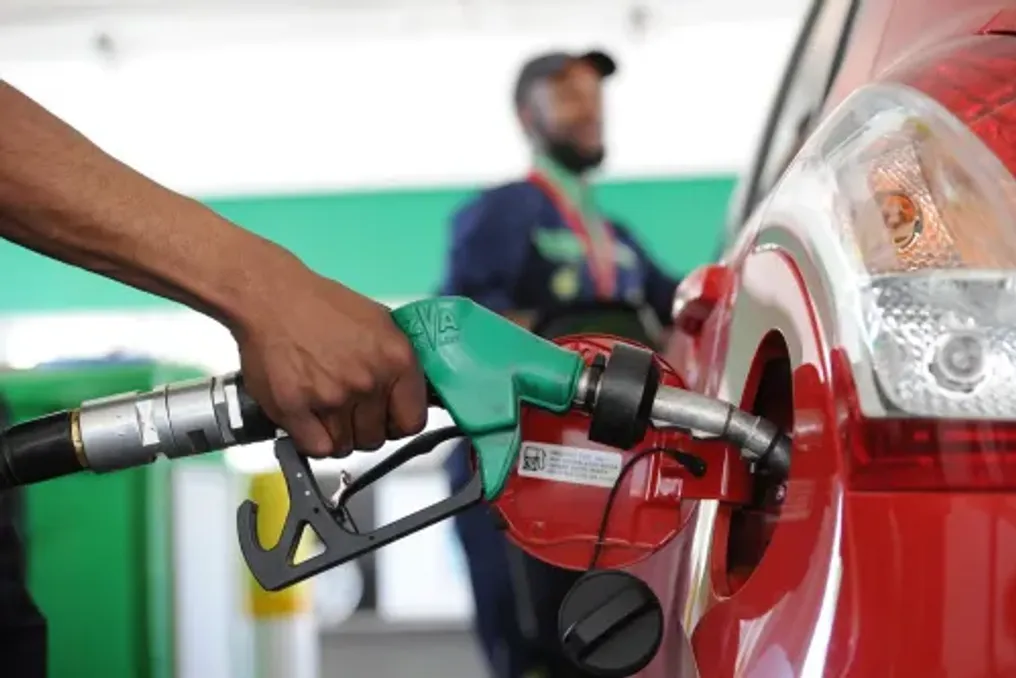
Drivers in South Africa may face the most expensive refueling in history next month, as the latest calculations from the Central Energy Fund indicate another sharp increase in gasoline and diesel prices.
Preliminary data for early October suggests a possible increase of R2.02 for unleaded petrol 93 and R2.14 for unleaded petrol 95. For diesel fuel, an increase is expected in the range of R1.71 for 500ppm to R2.05 for 50ppm.
However, these figures are preliminary. Brent crude oil traded around $110 per barrel on Friday after previously surpassing the $100 mark during the week, and further fluctuations in oil prices could push the October fuel price forecast even higher before final calculations are completed at the end of the month.
Under current conditions, drivers may pay a record R28.19 per liter for 95 ULP on the coast and R29.06 in Gauteng. The expected wholesale price of 50ppm diesel in Gauteng at R31.60 will also exceed the previous record of R31.38 set in May.
Increased Tank Costs
This follows a painful price increase in September, when both grades of petrol rose by R1.34 per liter, and diesel fuel increased by between R2.94 and R3.15.
For a driver with a 40-liter petrol tank, the cumulative increase from September and the projected October will add at least R139 to the refueling cost. For a 60-liter tank, the additional cost will be about R209.
Diesel drivers face an even more significant increase in expenses. The total increase for 50ppm diesel over September and October amounts to R5.20 per liter, meaning that filling a 40-liter tank will cost R208 more, and filling a 70-liter tank will cost R364 more than before the September increase.
Looking back to March, one month before the first major fuel price shock, filling a 40-liter petrol tank in October will be approximately R350 more expensive, and a 60-liter tank will cost approximately R526 more. For 50ppm diesel, the increase will be about R550 for 40 liters and R963 for 70 liters.
Pressure on Taxi Fares
Not only private drivers are under pressure. Minivan taxi passengers in South Africa have already been affected by fare increases this year as operators grapple with rising fuel and other operating costs.
Although fares vary significantly depending on the route and region, taxi associations have announced increases of approximately R3–R6 on some urban routes and R10–R30 on some intercity trips.
Further increases are possible as the fuel price shocks in September and October will be reflected in the industry. IOL reached out to SANTACO for further comments.
The impact also extends to commercial transport. According to the Freight Transport Association, diesel fuel accounts for 35% to 55% of operating costs for freight companies.
This means that the latest diesel price hike could, in isolation, increase the overall operating costs of transport companies by approximately 4%–6%, depending on the type of activity, routes, vehicles, and conditions. However, this does not mean that freight rates will necessarily rise by the same amount; operators may absorb some of the additional costs or offset them using fuel adjustment mechanisms built into transport contracts.
But for households, the takeaway is simple: getting around is becoming more expensive, and the impact is no longer limited to the price displayed on the pump screen.