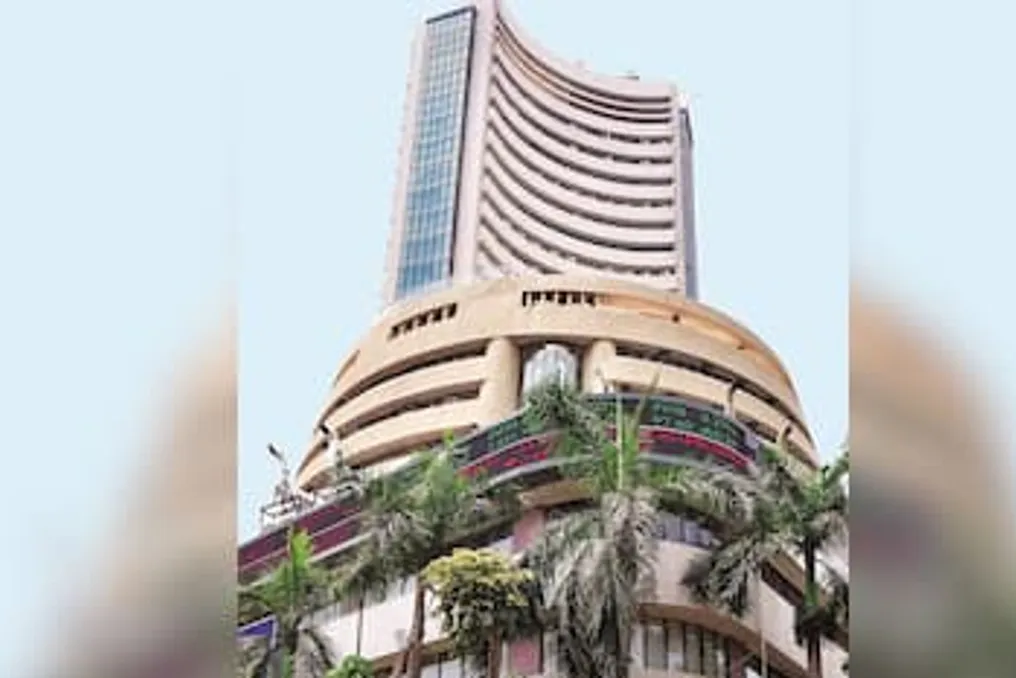
Analysts note that in the upcoming week, shortened due to holidays, the main drivers of stock market movement will be linked to the decision of the US Federal Reserve, domestic inflation data, crude oil prices, and events in West Asia.
It is worth noting that stock markets will be closed on Monday due to the celebration of Ganpati Chaturthi.
Listen to this article
Ajit Mishra, Senior Vice President of Research at Religare Broking, stated that globally critical factors will remain events in the conflict between the US and Iran, as well as the dynamics of Brent crude oil prices. He emphasized that the current week will be determined by the monetary policy of the US Federal Reserve and comments regarding the future trajectory of interest rates.
Domestically, attention will be focused on August WPI and CPI inflation data, as well as unemployment figures and trade balance. Hariselvan Radhakrishnan, founder and CEO of HST Wealth, noted that the primary focus will be on US inflation and the Federal Reserve's decision.
He recalled that the September inflation report showed a 0.4% month-on-month increase in headline CPI and remained at 3.4% year-on-year, while core inflation increased by 0.3% compared to the previous month but fell to 2.4% year-on-year. The more resilient monthly figure supports inflation risks and may increase pressure on global bond yields and the dollar, especially if the Federal Reserve adopts a tighter stance.
Radhakrishnan added that the FOMC (Federal Open Market Committee) meeting on September 15 will be the main global catalyst for this week. For India, crude oil remains the most immediate external risk. He warned that any resurgence in crude oil prices, especially if supply disruptions in the Middle East worsen, could exacerbate inflationary pressure, widen the import bill, put pressure on the rupee, and reduce corporate margins.
Radhakrishnan also specified that domestic data, including WPI inflation and trade indicators, will provide additional insight into how much of this pressure permeates the economy. Last week, the BSE Sensex benchmark fell by 1733.67 points, or 2.26%, and the NSE Nifty declined by 499.6 points, or 2%.
According to Pommudi R, CEO of Enrich Money, geopolitical and macroeconomic risks globally are likely to maintain caution in Indian stocks in the coming week. Key market sentiment factors will be crude oil prices, events in the Middle East, and changing expectations regarding US monetary policy. Markets were under significant pressure last week as the Nifty-50 extended its five-week streak of declines, as escalating tensions in the Middle East triggered a sharp rise in crude oil prices and heightened concerns about inflation, global interest rates, and economic growth.