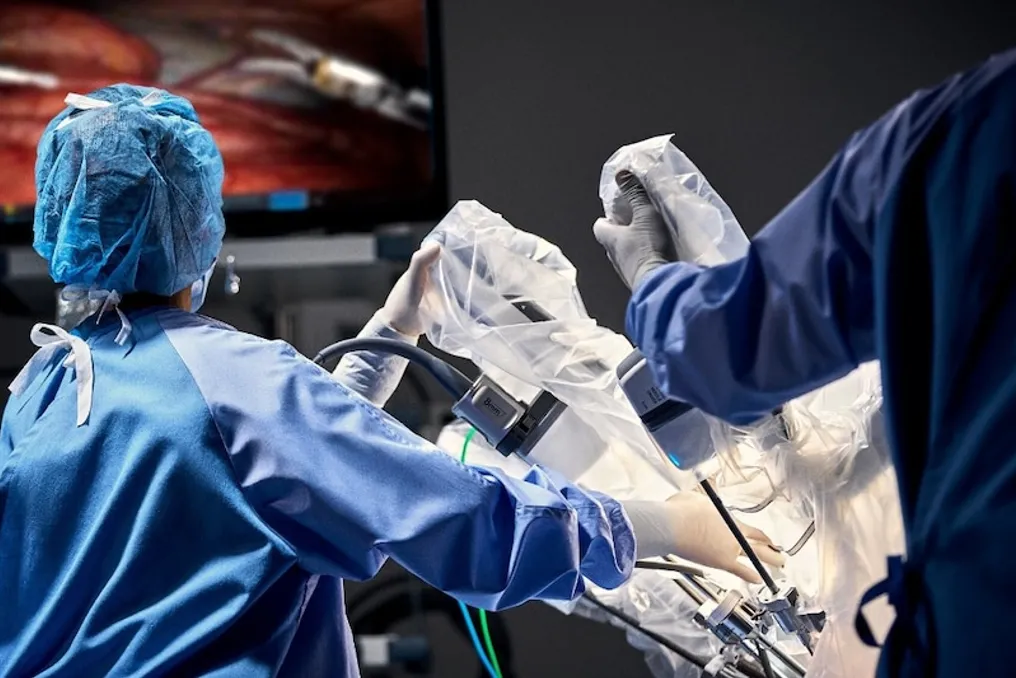
In recent years, robotic surgery has gained widespread popularity. This method is characterized by small incisions and improved patient recovery. However, there is a common misconception that the robot performs the operation itself.
In reality, the surgeon performs the entire operation. The surgeon sits at a special console, observing high-quality three-dimensional images of internal organs, and controls the robotic instruments with their hands. This allows the surgeon to examine fine structures, nerves, and internal organs in greater detail. Patients also benefit significantly from this procedure.
In the country, robotic surgery is used in both private and public hospitals. It is used to treat various conditions, from neurological problems to abdominal surgeries.
Dr. Mujahid Salim from the Robotic Joint Replacement Department at Apollo Spectra Hospital in Jaipur explains that instead of large incisions in robotic surgery, small incisions are used. A camera and surgical instruments are inserted into the body through these narrow passages. This helps minimize damage to surrounding tissues.
One of the main benefits for patients after the operation is faster recovery. Since robotic surgery involves small incisions and reduced blood loss, many patients recover more quickly, which can also shorten the hospital stay.
Dr. Salim emphasizes that although robotic surgery is an advanced technology, it does not mean it is suitable for every patient. The decision on a patient's suitability for this operation is made by a doctor after a thorough examination of the disease, general health condition, and all blood test results.
