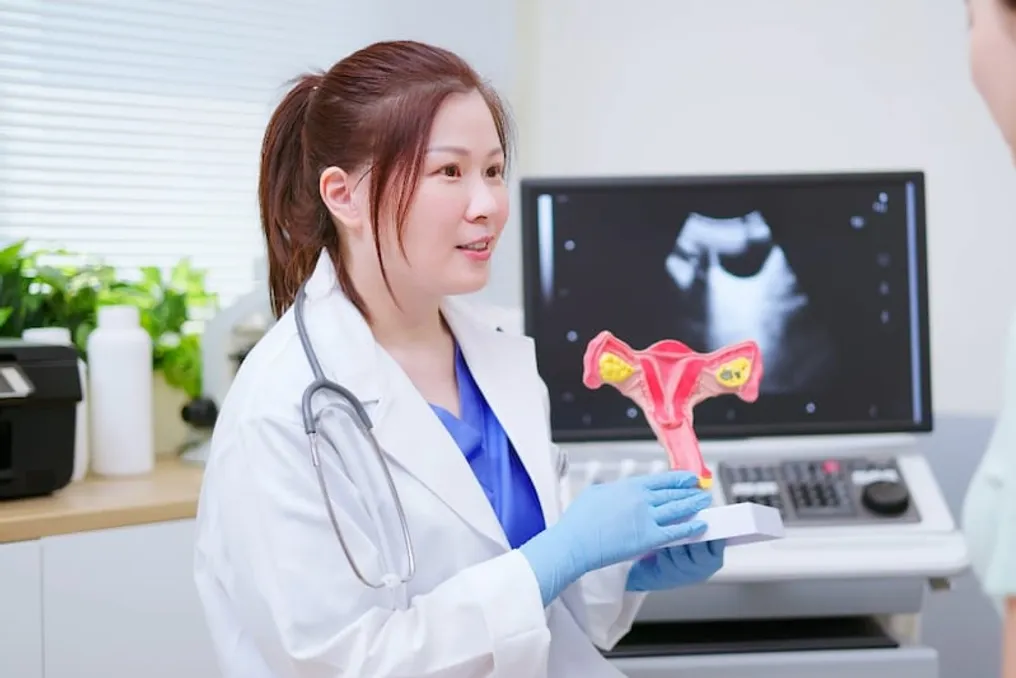
Menstrual delay should not be viewed solely as a calendar issue; the body may be signaling a specific condition. Symptoms such as shifting menstrual dates earlier each month, facial acne, and unwanted hair growth on the cheeks and chin should not be ignored. These signs may indicate Polycystic Ovary Syndrome (PCOS), which is now also known as Polycystic Metabolic Ovarian Syndrome (PMOS).
Doctors note that women often perceive this condition merely as a problem related to the menstrual cycle, but in reality, it may indicate a hormonal imbalance and deteriorating metabolic health. Menstrual delay is a signal of imbalance in the body. If a woman's ovulation process is disrupted, menstruation may arrive late or be absent for a long time.
Dr. Panhudi Gautam from Kokon Hospital in Jaipur, who specializes in obstetrics and gynecology, explains that PMOS involves a disruption in androgen hormone levels. This leads to increased hair growth on the face or body. Additionally, some women may notice weight gain and the appearance of facial breakouts. If this condition is not treated in a timely manner, it can cause problems during pregnancy.
According to Dr. Panhudi, the primary task is to determine the patient's underlying problem, after which appropriate treatment is prescribed. Some women require work on improving their metabolic state and weight, while others are prescribed medications to correct symptoms related to menstruation or androgens. If the syndrome hinders conception, the focus of treatment shifts to fertility enhancement programs.
Many women tend to neglect the issue of irregular periods, but this should not be done. If menstruation is regularly delayed and other signs are observed, including the appearance of facial acne, it is extremely important to consult a doctor.