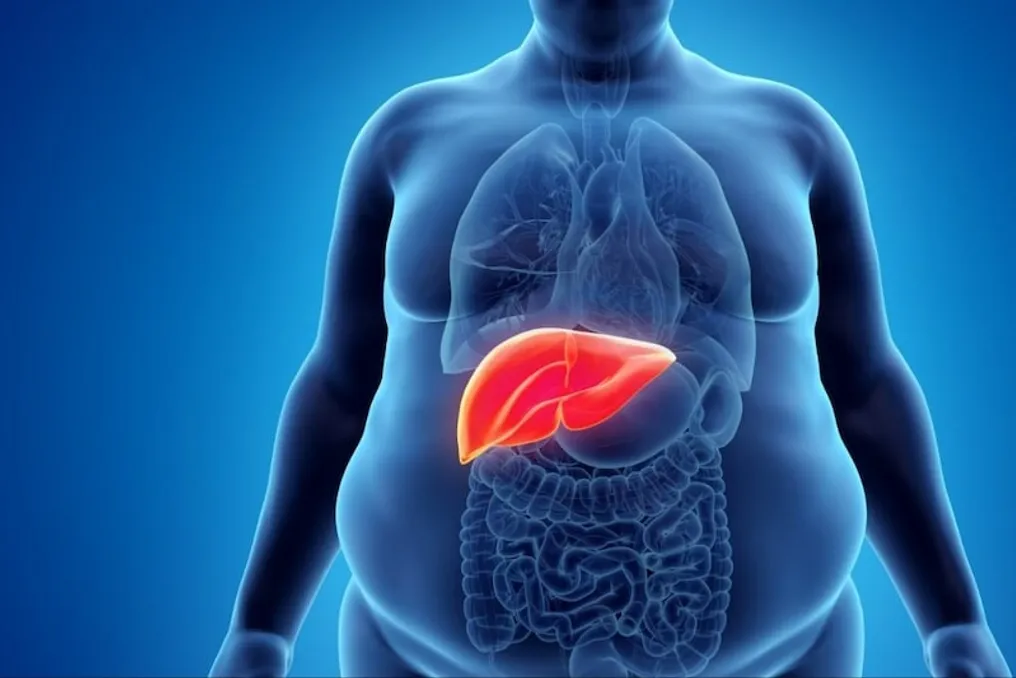
If your medical examination following an ultrasound scan indicates the diagnosis of 'Grade I Fatty Liver Disease' in your records, questions arise regarding the causes of this condition, treatment methods, and the possibility of recovery solely through medication. These questions can be clarified by a doctor. To obtain information, we spoke with Professor Dr. Subhash Giri, Director of the Department of Medicine at RML Hospital in Delhi.
Dr. Subhash explained that hepatic steatosis occurs when an excessive amount of fat accumulates in liver cells. There are several grades to this disease, with Grade I being the most initial stage. When asked why the liver might become fatty even if a person does not consume alcohol, the doctor replied that improper nutrition and lifestyle deterioration can be the cause. This has currently become a common problem even among individuals who avoid alcohol.
According to Dr. Subhash, Grade I fatty liver disease represents an early stage. At this stage, many patients may exhibit no obvious symptoms, and the disease is discovered during routine check-ups or ultrasound monitoring. Some people might experience fatigue or mild discomfort in the upper right abdomen. Generally, Grade I does not cause serious problems; however, if it is not monitored, the condition can progress to Grade II or III, which is already dangerous.
Treatment for Grade I fatty liver disease does not require the same medications for all patients. If a person stops consuming fast food, incorporates proteins and vitamins into their diet, and loses weight if overweight, Grade I fatty liver disease may resolve on its own. It is also extremely important to pay attention to physical activity, exercising for at least half an hour daily. It is necessary to include seasonal fruits and vegetables in one's diet.
It is necessary to consult a doctor if signs such as jaundice of the eyes or skin, abdominal bloating, persistent severe weakness, loss of appetite, or any other serious malaise appear.