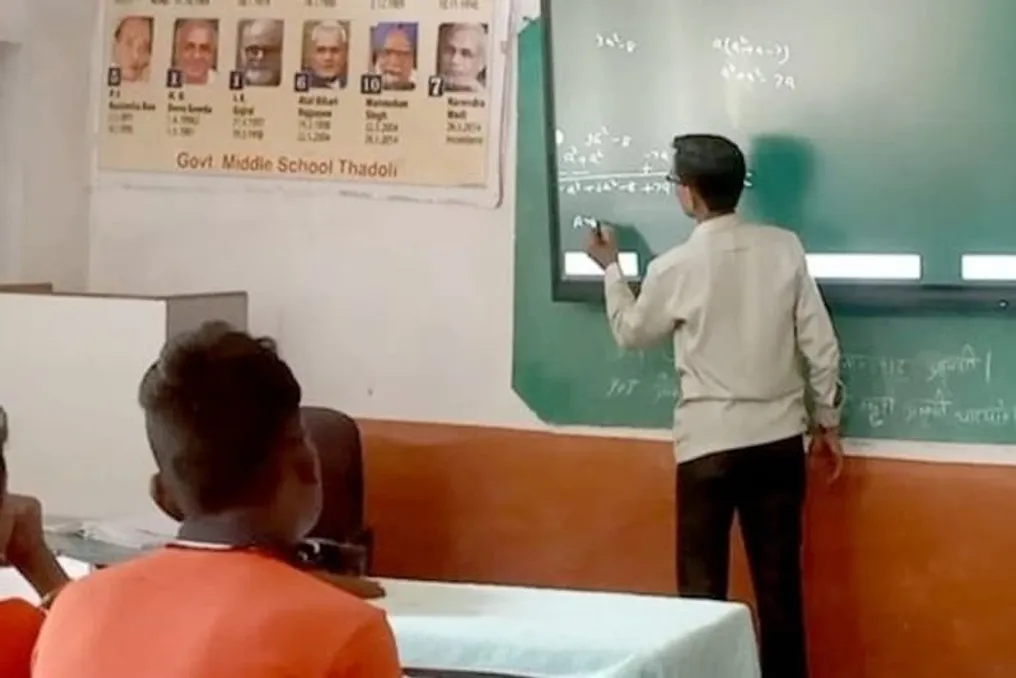
In Kolapur, Maharashtra, Mitari's life differs from that of most teachers who travel by car or public transport. He covers a distance of 5 kilometers on foot through dense forest to reach the school. This journey involves dangers such as rain, wild animals, and lack of road surfacing, and he undertakes this trip for the education of only one student.
According to one agency, the 55-year-old teacher Mitari has been walking for 13 years to the block council school complex named 'Kavaltek Dhangarwada', located in a remote village in the Gaganbavda taluka, Kolapur district. This village is near the Sindhudurg border.
The village lacks electricity supply, and transport cannot reach the school. Since the school is 2.5 kilometers from the nearest road, Mitari is forced to walk 5 kilometers every day. Mitari himself stated: 'I arrived there on July 26, 2013, and have been working there since then.' His decision to transfer to this remote school was a kind of challenge.
Before going there, Mitari held the position of chairman of the Kolapur Cooperative Bank of Primary Teachers. He mentioned that his colleagues once noticed that influential people like him usually get positions in schools with good infrastructure, while others have to work in difficult and remote places. Mitari recalled this conversation and said: 'I said I would go.' He reported that he applied for a transfer and chose this specific remote school.
Previously, there were many students in this school. The village, formed by the merger of Kavaltek Dhangarwada and Anandur Dhangarwada, used to have between 70 and 100 families. However, after 2000, due to migration to the city of Kolapur in search of work, the village population gradually decreased, leading to a reduction in the number of children. This year, Mitari officially has only one student.
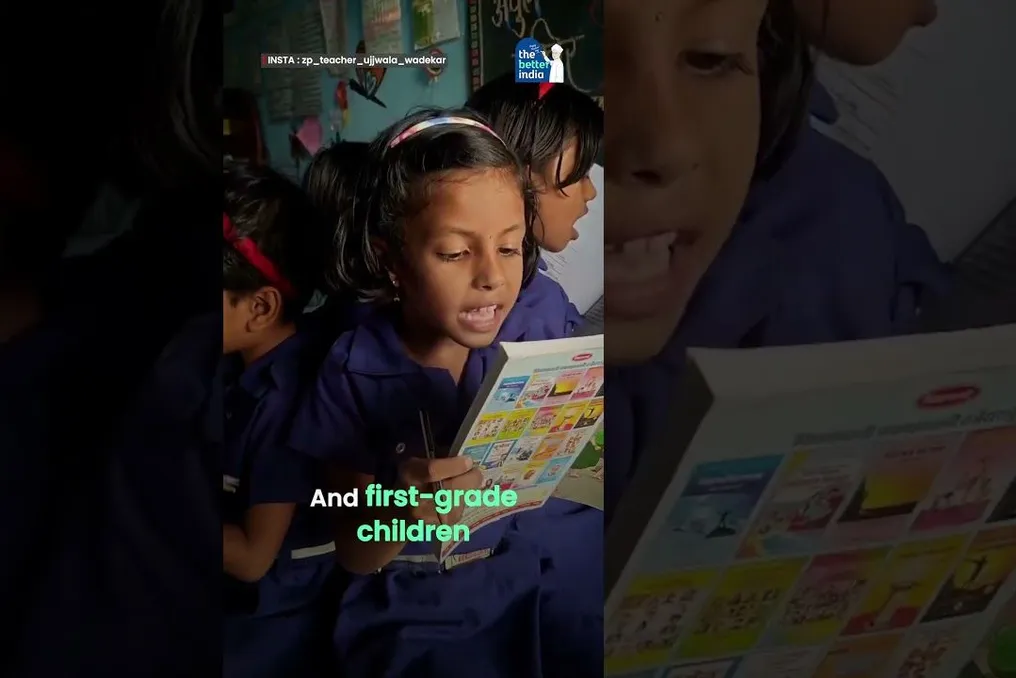
This student is Swara Bodake, who is in the third grade. Her younger sister, who is too young for formal education, also attends classes because there is no state-run kindergarten in the village. There is hope that she will enter the first grade next year. Nevertheless, low attendance has not changed Mitari's determination. He noted: 'Even if I have few students, I must continue my work.'
This route carries risks. Gaur (wild buffaloes), leopards, and other wild animals are often encountered along the way. Mitari recalls encounters with gaur and says that local residents taught him how to react differently depending on whether the animal is alone or in a herd. He emphasized: 'After all, we are going onto their territory.'
Once, a leopard killed a young bull near the settlement. Following this, forest department staff set up a camera trap and took hundreds of photos of the animal. Mitari was advised not to stop or sit along the route while traveling to school. The teacher admitted: 'I am human too. I am scared too. But over time, it has become a habit.'
For the children, another option is impractical. According to Mitari, to reach the nearest school in Dundawada, small children would have to cover about 5.5 km each way, totaling approximately 11 km daily. During the rainy season, such a journey would be very difficult for children aged 6 to 9. This community mainly depends on small-scale agriculture, firewood collection, and forest products such as figs, karavand, and other wild fruits. To protect their crops from frequent appearances of gaur, the fields are fenced with a double fence.
Mitari, who plans to retire in May 2029, says that this long daily walk has become part of his routine exercise. Despite low attendance, he insists that school walls are crucial for ensuring student safety.